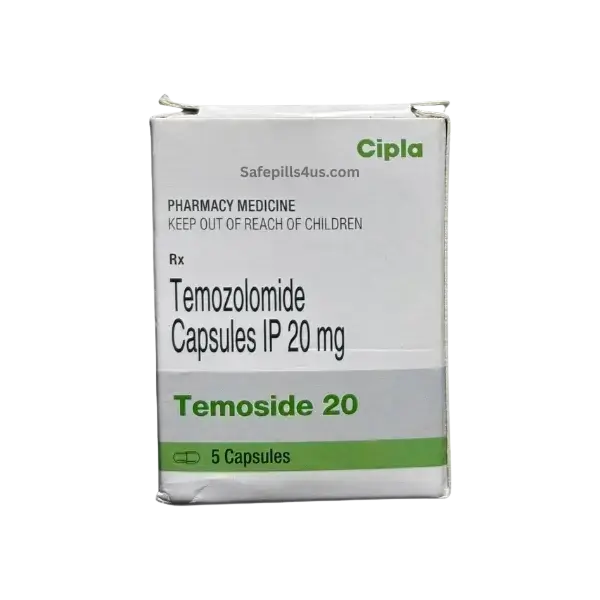
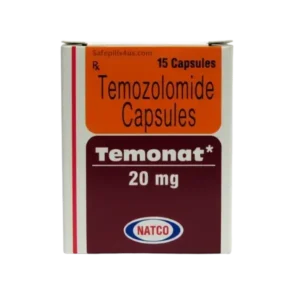
Temoside 20 mg (Temozolomide) Capsules – Product Description
Looking for a clear, human-friendly product description of Temoside 20 mg? Here’s the straight talk. Temoside 20 mg contains temozolomide, an oral chemotherapy medicine commonly used for certain brain tumors like glioblastoma multiforme and anaplastic astrocytoma. It’s prescription-only and taken under the close guidance of an oncology team. In plain words: this capsule helps slow down the growth of cancer cells, and it’s part of a bigger treatment plan designed just for you.
No fluff, no confusing jargon just what matters when you’ve been prescribed Temoside 20 mg and want to know what you’re taking and how to handle it day to day.
What Temoside 20 mg Is Used For
Your doctor may choose Temoside 20 mg as part of treatment for:
- Newly diagnosed glioblastoma (often used with radiation first, then in cycles afterward)
- Recurrent or refractory anaplastic astrocytoma
- Other malignant gliomas when your specialist believes temozolomide is suitable
Usually, temozolomide isn’t the only piece. Your plan might also include surgery, radiotherapy, steroids (like dexamethasone), anti‑nausea medication, seizure control meds if needed, and regular blood tests. It’s a coordinated approach.
How It Works (simple version)
Temozolomide is a prodrug. After you swallow the capsule, your body turns it into an active substance that attaches small “marks” to the DNA inside cells. Cancer cells don’t handle that damage well—they can’t copy themselves as easily, so they slow down or die. A big plus: temozolomide crosses the blood–brain barrier, which is key for brain tumors. That’s one big reason it’s used so often in gliomas.
Why the 20 mg Strength Matters
- Fine‑tuning doses: Oncologists mix different capsule sizes (like 5 mg, 20 mg, 100 mg, 250 mg) to hit your exact daily dose based on your body surface area (BSA).
- Small adjustments: If your blood counts or side effects require a change, the 20 mg size helps the team tweak your total without big jumps.
- Convenience in cycles: During 5‑day dosing blocks, you might combine a 20 mg with other strengths to reach the exact total clean and precise.
Who Should Not Use It (or needs extra caution)
- Allergy to temozolomide or dacarbazine (a related drug)
- Very low blood counts (neutrophils, platelets) unless your oncologist specifically clears it
- Pregnancy or breastfeeding: not recommended
- Lack of regular oncology follow‑up: this medicine needs ongoing monitoring
Always share your full health history and every medication or supplement you take with your care team before starting.
How to Take Temoside 20 mg
Short answer: exactly as your oncologist prescribes. Don’t change the dose or schedule on your own.
Practical tips that most clinics recommend:
- Timing: Take it at the same time each day during your treatment days. Many patients take it on an empty stomach or at bedtime to reduce nausea.
- Swallow whole: Don’t open, crush, or chew the capsule.
- Antiemetics: You’ll likely get a prescription anti‑nausea med (like ondansetron). Take it as directed before the capsule.
- If you vomit after a dose: Don’t re‑dose unless your oncology team tells you to.
- Missed dose: Call your clinic. Chemo schedules are specific, and guessing isn’t a great idea.
- Hydration: Drink fluids steadily unless your doctor says otherwise.
Caregiver tip: This is a hazardous drug. If someone helps you, gloves are a good idea when handling capsules or cleaning spills. If powder touches skin, wash with soap and water.
Monitoring You Can Expect
- CBC (complete blood count): Checks white cells, platelets, and red cells. This is the big safety net to prevent serious infection or bleeding problems.
- Liver function tests: Your team monitors liver enzymes.
- Infection watch: If white blood cells drop, infection risk goes up. You’ll get clear instructions on what to do and when to call.
- PCP prevention: When temozolomide is taken with radiation, doctors often prescribe antibiotics to prevent a specific pneumonia (PCP). If it’s prescribed, don’t skip it.
Possible Side Effects
Not everyone gets all of these, and many are manageable—especially when you report them early. Speak up if something feels off.
Common:
- Nausea or vomiting (often controlled with antiemetics)
- Loss of appetite, taste changes
- Fatigue or low energy
- Headache
- Constipation or diarrhea
- Hair thinning
- Mild mouth sores
- Trouble sleeping
Blood‑related (these are monitored closely):
- Low white blood cells (neutropenia) → higher risk of infection
- Low platelets (thrombocytopenia) → easier bruising/bleeding
- Anemia (low red cells) → tiredness, shortness of breath
Less common but important:
- Serious infections, including opportunistic infections
- Severe skin reactions (very rare), like blistering or widespread rash
- Liver issues (dark urine, yellowing of eyes/skin, unusual fatigue)
- Allergic reactions: hives, swelling, difficulty breathing—seek urgent care
- Very rare long‑term risk of therapy‑related blood cancers (a known class risk with alkylating agents)
Call your clinic urgently for:
- Fever 100.4°F/38°C or higher
- Uncontrolled vomiting or diarrhea
- Shortness of breath, chest pain, confusion
- Unusual bleeding or bruising
- Severe rash or yellowing of skin/eyes
Key Warnings and Precautions
- Bone marrow suppression: This is the headline risk. Keep every blood test appointment. Your dose may be held or adjusted if counts dip.
- Infection safety: Wash hands often, avoid close contact with sick people, and report fever quickly.
- Vaccines: Avoid live vaccines during treatment and while counts are low. Ask before any vaccination.
- Liver/kidney considerations: If you have liver or kidney disease, you’ll be monitored more closely.
- Pregnancy and contraception: Temozolomide can harm an unborn baby. Use effective contraception during treatment and for a period after your last dose (many teams recommend at least 6 months for women and at least 3 months for men—follow your doctor’s exact advice). Men may want to discuss sperm banking before starting.
- Breastfeeding: Not recommended during therapy and for a while after—your team will give a safe timeline.
- Driving/operating machinery: Fatigue or dizziness can happen. See how you feel before doing tasks that require sharp focus.
- Handling at home: Keep in the original container. Don’t open capsules. If a capsule breaks, avoid the powder, clean with gloves, and wash hands well.
Drug Interactions
Temozolomide isn’t heavy on classic liver‑enzyme interactions, but overlap in
side effects and blood effects matters a lot. Share a complete list of prescription meds, OTC products, vitamins, and herbals.
Use caution with:
- Other chemo or immunosuppressants: Can further drop blood counts
- Clozapine and similar drugs: Added risk of severe neutropenia
- Valproic acid: May alter temozolomide levels slightly and increase blood‑related side effects
- Anticoagulants (e.g., warfarin): Your INR might need closer checks
- Corticosteroids (like dexamethasone): Common in brain tumor care—doses are coordinated by your team
- Live vaccines: Avoid during treatment
- Herbals/supplements that affect bleeding or immunity (e.g., ginkgo, high‑dose garlic, St. John’s wort): Discuss before use
If your med list changes even a new “vitamin” give your clinic a quick heads‑up.
Storage and Safe Handling
- Store at room temperature, away from heat and moisture.
- Keep in the original, labeled container until use.
- Keep away from children and pets.
- Do not open, crush, or chew.
- Spill steps: If a capsule opens, avoid breathing in powder. Wear disposable gloves, wipe with damp disposable towels, seal waste in a plastic bag, and wash hands well.
- Disposal: Use a pharmacy take‑back program if available. Avoid tossing chemo meds into regular trash when you can.
Packaging Notes
- Strength: 20 mg temozolomide per capsule
- Pack sizes: Often supplied in small counts (e.g., 5 or 14 capsules) depending on regimen needs; may vary by supplier
- Appearance: Capsule color/markings can vary with manufacturer batches
Day‑to‑Day Tips That Actually Help
- Keep a routine: Same time each day during your dosing days. Consistency helps your body and your schedule.
- Nausea hacks: Empty stomach or bedtime dosing is common. Take your antiemetic as instructed. Small, bland snacks (crackers, toast, ginger tea) can smooth things out.
- Hydration: Sip water through the day unless told otherwise.
- Mouth care: Gentle brushing, soft toothbrush, and alcohol‑free mouthwash help prevent mouth sores.
- Bowels: If constipated, ask about stool softeners or fiber; if diarrhea kicks in, report early and follow your clinic’s plan.
- Track it: A simple notebook or phone note for dose times, side effects, and temperatures helps your team fine‑tune care.
- Don’t tough it out: If a side effect starts building, call early. Adjustments are easier when you speak up soon.
Why Oncologists Choose Temoside (Temozolomide)
- Oral convenience: Home dosing with a clear plan—no infusion chair needed
- Brain penetration: Crosses the blood–brain barrier, which is crucial for gliomas
- Well‑established protocols: There’s a clear roadmap for dosing, monitoring, and supportive care
Frequently Asked Questions
Q: What is Temoside 20 mg used for?
A: It’s an oral chemotherapy capsule with temozolomide, used mainly for glioblastoma multiforme and anaplastic astrocytoma, and sometimes other high‑grade gliomas as decided by your oncologist.
Q: How is the dose decided?
A: Usually by your body surface area (BSA), your blood counts, whether you’re getting radiation, and how you handled prior cycles. The 20 mg capsule helps fine‑tune your exact daily total.
Q: Should I take it with food?
A: Many people take it on an empty stomach or at bedtime to reduce nausea. Follow your clinic’s instructions and then keep it consistent.
Q: What if I miss a dose?
A: Don’t guess. Call your oncology team. Chemo schedules are carefully timed, and they’ll tell you the next step.
Q: Can I open or crush the capsule?
A: No. Swallow it whole. If a capsule breaks, avoid the powder, use gloves to clean, and wash your hands thoroughly.
Q: Will I lose my hair?
A: Hair thinning can happen, but total hair loss is less common with temozolomide compared to some other chemo drugs. Experiences vary a lot.
Q: How long will I be on it?
A: Many plans use 28‑day cycles (5 days on, 23 off) after radiotherapy, but schedules differ based on your case and response. Your oncologist sets the total number of cycles.
Q: Do I need antibiotics during treatment?
A: If you’re taking temozolomide with radiation, your doctor may prescribe a preventive antibiotic for PCP pneumonia. If it’s part of your plan, take it exactly as directed.
Q: Can I drink alcohol?
A: Best to avoid or keep it minimal. Alcohol can worsen fatigue, nausea, and stress the liver. Your doctor can advise what’s safe for you.
Related Products
- Temoside 5 mg (Temozolomide): Very low strength for precise dose adjustments
- Temoside 100 mg (Temozolomide): Core strength commonly used in 5‑day cycles
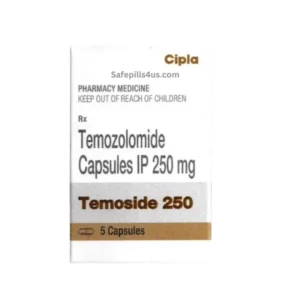
- Temoside 250 mg (Temozolomide): Higher strength for dose builds as prescribed
- Temozolomide 20 mg (Generic): Same active ingredient; brand choice depends on your prescription and availability
- Temodar 20 mg (Temozolomide): Another brand your clinic may use or substitute
- Supportive meds often paired with temozolomide (doctor‑directed): Ondansetron for nausea, Dexamethasone for brain swelling, Pantoprazole for stomach protection, Cotrimoxazole for PCP prophylaxis when indicated



Reviews
There are no reviews yet.