Letrozole 2.5mg Tablets: The Real-World Guide for Breast Cancer & Fertility Treatment
You've got the prescription in hand or maybe you're still in that research phase, trying to make sense of whether Letrozole 2.5mg is the right call. Either way, let's cut through the clinical noise and talk about what this medication actually means for your daily life. No textbook talk. Just straight answers from someone who's seen hundreds of women navigate this exact path.
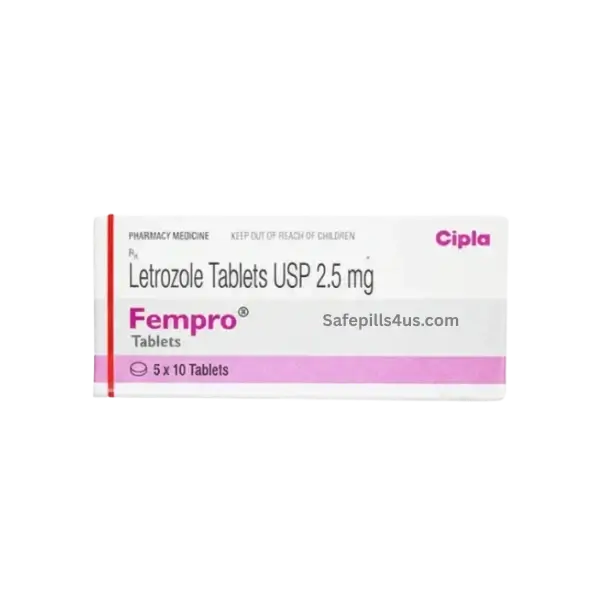
Letrozole 2.5mg is an aromatase inhibitor. That term gets thrown around a lot, but here's what it actually means: it's a once-daily tablet that dramatically lowers estrogen in your body. You might know it as Femara the brand name but the generic works identically and costs a fraction of the price. This small pill has become a cornerstone treatment for two very different health journeys: postmenopausal breast cancer and certain fertility challenges. Same dose, same mechanism, completely different goals.
What This Drug Actually Does Inside Your Body
After menopause, your body doesn't just stop making estrogen. Instead, it produces it through an enzyme called aromatase, which converts androgens into estrogen in your fat tissue, muscles, and crucially in any remaining breast cancer cells. Letrozole 2.5mg shuts that enzyme down cold. We're talking about a 95-98% drop in estrogen levels. That's not a minor adjustment; it's a complete hormonal overhaul.
For breast cancer patients, this matters because estrogen can act like fuel for hormone-receptor-positive tumors. Starve the fire, and you slow or stop cancer growth. It's not chemotherapy. You won't lose your hair in clumps or spend days nauseous from infusion treatments. It's oral hormone therapy, which sounds gentler, but the timeline is longer: years, not months.
For fertility patients, the approach is completely different. By briefly suppressing estrogen, Letrozole tricks your brain into releasing more follicle-stimulating hormone. That FSH nudge encourages your ovaries to produce a mature egg. It's become the go-to for PCOS-related infertility because it works more naturally than Clomid and doesn't thin your uterine lining. But—and this is critical you need medical supervision. This isn't something to experiment with on your own.
Who Actually Needs This Medication?
Postmenopausal Women with Hormone-Sensitive Breast Cancer
This is the primary, FDA-approved group. If your cancer cells tested positive for estrogen or progesterone receptors, and you've gone through menopause, Letrozole 2.5mg is likely in your future. Doctors typically prescribe it:
- Immediately after surgery, sometimes alongside radiation
- After completing five years of tamoxifen (called extended therapy)
- For metastatic disease that's spread beyond the breast
- In combination with targeted drugs like CDK4/6 inhibitors for advanced cases
Five years is the standard course. Some women stop at five; high-risk patients push to seven or ten. There's no one-size-fits-all here. Your oncologist will recalculate your risk at each milestone.
Women Facing Ovulation Disorders
Fertility specialists have been using Letrozole off-label for nearly two decades now. It's particularly effective for:
- PCOS (polycystic ovary syndrome)
- Unexplained anovulation
- Women who didn't respond well to Clomid
The protocol is precise: take 2.5mg daily for five days, starting on cycle day 3, 4, or 5. Then monitor for ovulation. If it doesn't happen, the dose might increase to 5mg or 7.5mg in subsequent cycles. Success rates vary—about 15-20% pregnancy rate per cycle for PCOS patients—but it's often the first try because it carries lower risks of multiple births and doesn't negatively affect cervical mucus or uterine lining.
How to Take It: The Details That Actually Matter
One tablet. Once daily. That's the easy part. The challenge is consistency over months or years. Most women take it in the morning with breakfast—food doesn't affect absorption, but routine affects memory. Set a daily alarm on your phone. Keep the bottle somewhere impossible to miss, like next to your coffee maker.
Missed a dose? Don't double up. Just take the next one at your regular time. Doubling the dose won't speed up results but will intensify side effects. If you travel, pack extra in your carry-on. Checked luggage gets lost, and missing multiple doses can be problematic.
For fertility use, timing is everything. Your clinic will tell you exactly which cycle day to start. Mark it on your calendar. Set phone reminders. These five days determine your whole cycle's success.
Storage is simple: room temperature, away from moisture. Don't keep it in your bathroom cabinet where showers create humidity. A kitchen cabinet or bedroom drawer works better.
The Real Timeline: What Happens When
For Breast Cancer Patients
You won't feel Letrozole 2.5mg working because prevention is invisible. Your doctor monitors through periodic blood work (checking estradiol levels) and imaging scans. The goal is no news no recurrence, no progression. That's a weird psychological space to live in, dealing with
side effects for a benefit you can't see. But the statistics are compelling: a 30% reduction in recurrence risk compared to tamoxifen. That's not small.
Side effects typically emerge within two weeks. Hot flashes hit first, then joint stiffness around week three. The first 90 days are usually the roughest. After that, many women report a plateau—symptoms don't worsen, and sometimes they improve as your body adapts to the new hormonal baseline.
For Fertility Patients
You'll know within a single cycle if it's working. Ovulation typically occurs 7-10 days after your last pill. Your clinic confirms this with ultrasound (looking at follicle size) and blood work (checking LH and progesterone). At home, ovulation predictor kits turn positive when the hormone surge hits. If you don't ovulate at 2.5mg, the dose escalates. Most doctors give it three cycles at increasing doses before considering it a failure and moving to injectable medications.
Side Effects: The Honest Inventory
Let's catalog what you're actually likely to experience, because vague warnings don't help anyone.
Nearly Universal:
- Hot flashes – Sudden, intense heat that can drench your clothes. They strike without warning, often at night. Cooling products help, but they don't eliminate the problem.
- Joint pain and stiffness – Especially in the morning. Fingers, knees, wrists. It feels arthritic. Movement helps, ironically. The more you sit, the worse it gets.
Very Common:
- Bone density loss – Measurable on DEXA scans. Non-negotiable: you must supplement calcium and vitamin D.
- Fatigue – Not tiredness. Exhaustion. The kind that makes you need a nap after showering.
- Hair thinning – Diffuse shedding, not bald spots. Your ponytail feels thinner. Usually stabilizes after 6-12 months.
- Mood changes – Anxiety, irritability, low mood. Hormones affect brain chemistry.
Common but Overlooked:
- Vaginal dryness – Quality-of-life issue that many women are embarrassed to mention. Use moisturizers regularly, not just lubricants during sex.
- Cholesterol elevation – LDL can rise 15-20 points. Diet changes or statins might be needed.
- Headaches – Often mild but persistent.
- Dizziness – Especially when standing quickly.
Rare but Serious:
- Blood clots (sudden chest pain, shortness of breath, leg swelling)
- Liver injury (yellowing skin, dark urine, severe fatigue)
- Severe allergic reactions
Safety Rules That Can't Be Bent
Menopause status matters. For breast cancer, this drug is for postmenopausal women. If you're premenopausal, you need ovarian suppression therapy too. Taking Letrozole alone while your ovaries are still active is like bailing water with a hole in the boat.
Pregnancy is contraindicated. The risk of birth defects is real and serious. If you're of childbearing age and taking this for cancer, you need reliable contraception many doctors insist on two forms. If you're taking it for fertility, you need intensive monitoring to ensure you're not pregnant when you start and that you're not developing too many follicles.
Bone protection is mandatory, not optional. Over five years, you can lose 10-15% of your bone density without intervention. Calcium, vitamin D, weight-bearing exercise, and possibly prescription bone drugs are part of the package deal.
Liver health requires monitoring. Baseline liver function tests should be done before starting, then periodically. If you have existing liver disease, your doctor might adjust your dose or choose a different therapy.
Drug interactions are real but manageable. The big one: don't take tamoxifen at the same time. They work against each other.
Estrogen supplements are obviously counterproductive. Some herbal supplements, particularly St. John's wort, can reduce Letrozole's effectiveness. Always run new supplements by your oncology pharmacist.
Real Questions, Straight Answers
Q: How long until I know if this is actually working?
A: For cancer, you won't "know" in a tangible way. Your doctor monitors through labs and scans every 3-6 months. For fertility, you'll know within one cycle through ultrasound and blood work. Give it three cycles before judging success.
Q: Can I have a glass of wine?
A: Moderate alcohol is medically permissible, but it can worsen hot flashes and affect your liver. A glass of wine on Saturday is fine; a daily cocktail habit is not. Be honest with your doctor about your consumption.
Q: Will I definitely lose my hair?
A: No. It's thinning, not loss. About 40% of women notice increased shedding. It's diffuse, not patchy, and it's reversible. Most see regrowth within months of stopping treatment.
Q: What if I want to get pregnant after breast cancer?
A: This is a complex conversation. You must stop Letrozole and wait a period of time—usually several months—before trying to conceive. Your oncologist and a fertility specialist need to coordinate. The "baby after breast cancer" roadmap is very individualized.
Q: Are generics really the same as Femara?
A: Yes. The FDA requires identical active ingredients and absorption rates. Some women swear they notice differences, but clinical studies show no meaningful variation. The $10 generic works the same as the $400 brand.
Q: What happens if I just stop taking it?
A: Don't. For cancer patients, stopping early increases recurrence risk significantly. For fertility patients, stopping mid-cycle wastes that cycle. If side effects are unbearable, call your doctor. There are solutions. Stopping abruptly without medical guidance is never the right move.
Q: Can men take this medication?
A: Yes, for specific off-label uses like male infertility or gynecomastia. The dosing is different—typically 2.5mg every other day. Men need regular hormone panels and liver function tests. It's not a common use, but it's not unheard of.
Q: Will this affect my sex drive?
A: It can. Lower estrogen often means lower libido, plus vaginal dryness makes sex uncomfortable. This is worth discussing with your doctor. There are non-hormonal solutions—moisturizers, lubricants, sometimes even testosterone cream in select cases.





Reviews
There are no reviews yet.