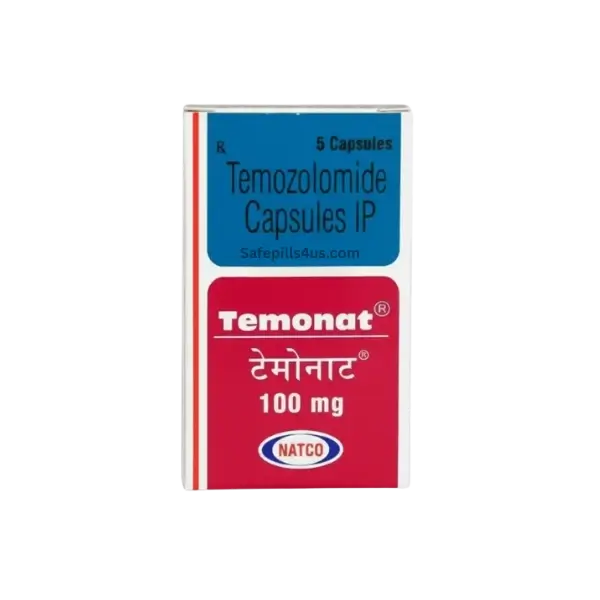
Temonat 100 mg (Temozolomide) Capsules – Product Description
Temonat 100 mg contains temozolomide, an oral chemotherapy medicine used mostly in brain cancers such as glioblastoma multiforme and anaplastic astrocytoma. It’s a prescription-only antineoplastic (anti-cancer) agent and is usually part of a carefully planned treatment schedule your cancer team sets up for you. In plain words: this capsule helps slow down cancer cells so they can’t multiply as easily.
What Temonat 100 mg Is Used For
Doctors commonly use Temonat (temozolomide) for:
- Newly diagnosed glioblastoma multiforme (often alongside radiotherapy and then as adjuvant cycles)
- Recurrent or refractory anaplastic astrocytoma
- Other malignant gliomas where temozolomide is appropriate
It’s rarely used alone. Your plan may also include surgery, radiation, steroids (like dexamethasone), anti-nausea meds, seizure control medicines if needed, and regular blood work. It’s a team effort, with Temonat as one of the central tools.
How It Works (simple version)
After you swallow
temozolomide, your body turns it into an active compound that attaches tiny tags to DNA inside cells. Cancer cells hate that when their DNA is damaged, they struggle to copy themselves and eventually slow down or die. Temozolomide crosses the blood–brain barrier, which is a big deal for brain tumors. So yes, it’s designed to reach the target area.
Why the 100 mg Strength Matters
- Dose building: Oncologists often combine different capsule sizes (like 20 mg, 100 mg, 250 mg) to hit your exact daily dose, which is usually based on body surface area (BSA).
- Flexibility: The 100 mg capsule is a core strength used on many dosing days, especially during adjuvant 5-day cycles.
- Adjustments: If your blood counts dip or you feel side effects, your team can tweak the total dose by mixing strengths. That’s where the 100 mg size fits in neatly.
Who Should and Shouldn’t Use Temonat 100 mg
Temonat 100 mg is for patients diagnosed with eligible brain tumors under active oncology care. It isn’t a self-start or over-the-counter medicine.
Be extra cautious or avoid if:
- You’ve had a severe allergy to temozolomide or dacarbazine
- Your blood counts are very low (neutrophils, platelets) unless your doctor specifically approves
- You’re pregnant or breastfeeding (not recommended)
- You’re not under regular oncology monitoring
Always share your full medical history, recent lab results, and all medicines/supplements with your care team before starting.
How to Take Temonat 100 mg
Short answer: exactly how your oncologist prescribes it. Please don’t change the dose or timing on your own.
Common regimens (for context, not DIY dosing):
- During radiotherapy for newly diagnosed glioblastoma: Temozolomide is often given daily at a lower dose for about 42 days (your team decides the exact amount).
- Adjuvant cycles after radiotherapy: Typically 5 days on, 23 days off (a 28-day cycle). The first cycle often starts around 150 mg/m² daily for 5 days, and if your counts are okay, later cycles may go to 200 mg/m². The 100 mg capsule is commonly part of these combinations.
Practical how-to:
- Take at the same time each day of your cycle. Bedtime or on an empty stomach can help with nausea.
- Swallow whole with water. Do not open, crush, or chew.
- Anti-nausea support: You’ll likely be prescribed an antiemetic (like ondansetron). Take it the way your team advises usually before temozolomide.
- If you vomit after a dose: Don’t repeat the dose unless your oncologist says so.
- Missed dose? Don’t guess. Call your clinic for clear instructions.
- Hydration helps. Sip fluids through the day unless told otherwise.
Caregiver handling tip: This is a hazardous drug. If someone helps you, they should ideally wear gloves when handling capsules or cleaning spills. If powder touches skin, wash with soap and water.
Monitoring and Follow-Up
- Blood counts (CBC): Checked regularly to watch white blood cells, platelets, and red cells. This is crucial—temozolomide can lower these.
- Liver function: Blood tests keep an eye on liver enzymes.
- Infection watch: If your white cells drop, infection risk rises. You’ll get instructions on what to look for and when to call.
- PCP prevention: If you’re taking temozolomide with radiation, your doctor may prescribe antibiotics to prevent a specific pneumonia (PCP). Don’t skip these if they’re prescribed.
Possible Side Effects
Not everyone will get all these, and many are manageable when you report them early. Speak up—your team wants to know what’s going on.
Common:
- Nausea or vomiting (often manageable with antiemetics)
- Loss of appetite, altered taste
- Fatigue, sleepiness, or general low energy
- Constipation or diarrhea
- Headache
- Hair thinning
- Mouth soreness or mild ulcers
- Trouble sleeping
Blood-related:
- Low white blood cells (neutropenia) → higher infection risk
- Low platelets (thrombocytopenia) → easy bruising or bleeding
- Anemia → tiredness, shortness of breath, pale skin
Less common but important:
- Severe infections or fever (100.4°F/38°C or higher—call fast)
- Severe skin reactions (very rare), such as widespread rash or blistering
- Liver issues (dark urine, yellowing skin/eyes, unusual fatigue)
- Allergic reaction: hives, swelling, trouble breathing—emergency help needed
- Long-term rare risk: therapy-related blood cancers (a class effect with alkylating agents)
When to call urgently:
- Fever of 100.4°F/38°C or higher
- Uncontrolled vomiting or diarrhea
- Shortness of breath, chest pain, or confusion
- Bleeding that’s unusual or won’t stop
- Severe rash or eye/yellowing changes
Key Warnings and Precautions
- Bone marrow suppression: This is the big one. It’s why your blood counts are checked often and doses are adjusted. Don’t miss blood tests.
- Infection safety: Wash hands often, avoid sick contacts, and report fever promptly.
- PCP prophylaxis: If prescribed during concurrent radiotherapy, take it as directed.
- Vaccines: Avoid live vaccines during treatment and while your counts are low. Ask before any vaccination.
- Liver and kidneys: If you have liver/kidney problems, you’ll be monitored more closely.
- Pregnancy and contraception: Temozolomide can harm an unborn baby. Use reliable birth control during treatment and for a period after your last dose (your oncologist will specify the exact timeframe—often at least 6 months for women and at least 3 months for men). Men may consider sperm banking and should use contraception, as temozolomide may affect fertility.
- Breastfeeding: Not recommended during treatment and for a period after. Discuss a safe plan with your team.
- Driving and machinery: Fatigue or dizziness can happen. See how you feel before doing tasks that need alertness.
- Handling at home: Keep capsules in the original container. Caregivers should avoid direct contact with broken capsules; if a spill happens, clean with gloves and wash well.
Drug Interactions
Temozolomide isn’t heavy on classic liver-enzyme interactions, but overlaps in side effects and blood effects matter a lot. Always disclose every prescription, OTC medicine, vitamin, and herbal product.
Things that may interact or need caution:
- Other chemotherapy or immune-suppressing drugs: Can further lower blood counts.
- Clozapine and similar agents: Higher risk of severe neutropenia.
- Valproic acid: May slightly affect temozolomide levels and increase blood-related toxicity.
- Anticoagulants (warfarin): Your INR may need closer monitoring.
- Corticosteroids (like dexamethasone): Common in brain tumor care; dosing is coordinated by your team.
- Live vaccines: Avoid while immunosuppressed.
- Herbal/supplements with bleeding or immune effects (ginkgo, high-dose garlic, St. John’s wort): Discuss before use.
If your meds change even a new harmless supplement give your clinic a quick heads-up.
Storage and Safe Handling
- Store at room temperature, away from heat and moisture.
- Keep in the original container with the label intact.
- Keep out of reach of children and pets.
- Don’t open, crush, or chew capsules.
- Spill protocol: If a capsule breaks, avoid inhaling powder. Wear gloves, wipe with damp disposable towels, seal waste in a plastic bag, and wash hands well. Ask your pharmacy about a home spill kit if needed.
- Disposal: Return unused/expired capsules to a medicine take-back program if available. Don’t toss chemo in household trash if you can avoid it.
Packaging Notes
- Strength: 100 mg temozolomide per capsule
- Pack sizes: Vary by supplier and regimen (often 5 or 14 capsules per pack)
- Appearance: Capsule look may vary slightly by batch/manufacturer
Day-to-Day Tips from the Clinic Playbook
- Routine: Take it at the same time each day of your cycle—consistency helps your body and your schedule.
- Nausea hacks: Empty stomach or bedtime dosing can help. Keep antiemetics handy. Small, bland snacks (crackers, toast, ginger tea) can settle your stomach.
- Hydration: Sip water through the day unless your doctor says otherwise.
- Mouth care: Gentle brushing and alcohol-free mouthwash can help prevent mouth sores.
- Bowel care: If constipated, ask about stool softeners or fiber. If diarrhea starts, report early and follow your clinic’s plan.
- Track it: A tiny notebook or phone note with dose times, side effects, and temperature checks can be gold at your appointments.
- Don’t tough it out: If a side effect is building, call sooner, not later. Adjustments are easier early.
Why Oncologists Choose Temonat (Temozolomide)
- Oral convenience: Take it at home—no infusion chair needed.
- Brain penetration: Crosses the blood–brain barrier, which is key for gliomas.
- Established protocols: There’s a well-known roadmap for dosing, monitoring, and supportive care.
FAQs
Q: What is Temonat 100 mg used for?
A: It’s an oral chemotherapy capsule containing temozolomide, mainly used for glioblastoma multiforme and anaplastic astrocytoma. Your oncologist may also use it for other malignant gliomas based on your case.
Q: How do I take it—before or after food?
A: Many patients take it on an empty stomach or at bedtime to lower nausea. Follow your clinic’s exact advice and then keep it consistent day to day.
Q: What if I miss a dose?
A: Don’t guess. Because chemo schedules are very specific, call your oncology team for instructions on what to do next.
Q: Can I open the capsule?
A: No. Swallow it whole. If a capsule breaks, avoid contact with the powder. Wear gloves to clean it up and wash your hands well.
Q: Will I lose my hair?
A: Hair thinning can happen, but complete hair loss is less common with temozolomide than with some other chemo drugs. Your experience may vary.
Q: How long will I be on it?
A: Treatment is given in cycles. After radiotherapy, many patients do several 28-day cycles (5 days on, 23 off). The total number of cycles depends on your response and blood counts.
Q: Do I need special antibiotics during treatment?
A: If you’re taking temozolomide with radiation, your doctor may prescribe a preventive antibiotic for PCP. Take it exactly as directed if it’s part of your plan.
Q: Can I drink alcohol?
A: Best to avoid or keep it minimal. Alcohol can add to fatigue, nausea, and stress on the liver. Ask your doctor what’s safe for you personally.
Related Products
- Temonat 5 mg (Temozolomide): Very low strength for precise dose adjustments.
- Temonat 20 mg (Temozolomide): Often used to fine-tune total daily dosing.
- Temonat 250 mg (Temozolomide): Higher strength for specific dose builds in 5-day cycles.
- Temozolomide 100 mg (Generic): Same active ingredient; brand selection depends on your prescription and availability.
- Temodar 100 mg (Temozolomide): Another brand your clinic may use or substitute.
Supportive meds often prescribed with temozolomide (as directed by your doctor): Ondansetron 4/8 mg for nausea, Dexamethasone 4 mg for brain swelling, Pantoprazole 40 mg for stomach protection.



Reviews
There are no reviews yet.