Skinlite Cream — Targeted treatment for dark spots & uneven skin tone
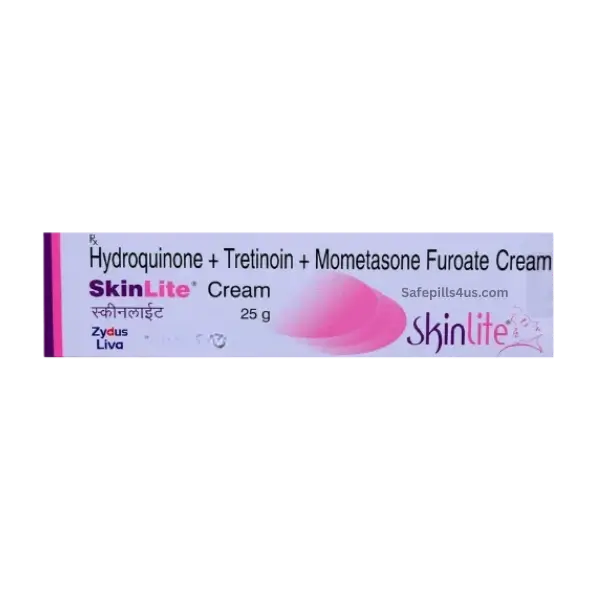
Skinlite Cream is a topical product commonly used to treat
melasma, post‑inflammatory hyperpigmentation, sun spots, and other forms of uneven skin tone. In plain words: it helps fade dark patches and evens out your complexion over weeks of consistent use. It’s often prescribed or recommended by dermatologists, so you should use it under guidance but read on for a clear, practical breakdown of what it does and how to use it.
What is Skinlite Cream?
Skinlite is typically a combination topical formula aimed at reducing excess pigment and speeding up skin renewal. Formulations can vary by brand and country, but many Skinlite products follow the familiar triple‑action approach:
- A skin‑lightening agent (commonly hydroquinone) that slows melanin production.
- A retinoid (often tretinoin) that increases cell turnover and improves penetration of the other actives.
- A mild topical steroid to reduce irritation and inflammation while treatment works.
How Skinlite Cream works
Hydroquinone — reduces pigment production
Hydroquinone blocks an enzyme the skin uses to make pigment. Less pigment means the dark patch fades over time. It’s widely used and usually effective when applied correctly.
Tretinoin (retinoid) — speeds cell turnover
Tretinoin encourages the top layer of skin to renew faster. That helps the pigmented cells slough off and improves skin texture. It also helps the hydroquinone penetrate better.
Topical steroid — controls irritation
A low‑strength steroid tames the redness and inflammation that can come from the other two actives. That makes the treatment easier to tolerate for many users, but steroids aren’t meant for long‑term continuous use on delicate facial skin.
Who is Skinlite Cream for?
Skinlite is usually intended for adults dealing with:
- Melasma (patchy brown discoloration on the face)
- Dark spots after acne or injury (post‑inflammatory hyperpigmentation)
- Sun spots and age spots
- Uneven skin tone where pigmentation is the main issue
It’s generally not recommended for pregnant or breastfeeding women unless a dermatologist advises it. Also, kids and people with certain skin conditions may need alternatives so check with a clinician first.
How to use Skinlite Cream — practical steps
- Patch test first. Apply a small amount to the inner forearm for 48 hours to check for allergy or strong irritation.
- Apply at night. Cleanse and dry the area, then use a pea‑sized amount for your face (unless instructed otherwise). Spread gently over the darker areas, not the whole face unless told to.
- Start slowly. Many doctors recommend every‑other‑night for the first week or two, then increase to nightly if your skin tolerates it.
- Sunscreen is essential. Use broad‑spectrum SPF 30+ (ideally 50+) daily tretinoin and hydroquinone increase sun sensitivity, and UV exposure reverses gains.
- Follow the prescribed course. Treatment length varies some people see improvement in 4–8 weeks, but full results can take 2–3 months. Don’t use stronger or longer courses than your doctor advises.
- Avoid mixing with aggressive products. Don’t combine with strong chemical peels, abrasive scrubs, or other prescription retinoids without professional advice.
Benefits — what people usually notice
- Visible lightening of dark patches with consistent use.
- Smoother, more even skin tone and improved texture.
- Often faster and more reliable results than single‑ingredient OTC creams.
- Reduced inflammation and irritation compared with using strong actives alone (thanks to the steroid component).
Side effects & safety — what to watch for
Most side effects are local and mild, especially when you start slowly.
Common, usually mild
- Redness, dryness, flaking or mild burning/stinging
- Increased sun sensitivity (hence sunscreen is a must)
- Slight peeling as old pigmented layers shed
Less common but important
- Severe irritation or allergic contact dermatitis stop use and see a doctor if you get intense redness, swelling, blistering or severe itching.
- Exogenous ochronosis a rare, long‑term discoloration that can happen with prolonged high‑strength hydroquinone use. That’s why doctors limit duration and monitor treatment.
- Steroid‑related effects if used too long: thinning skin, visible small blood vessels, acne‑like eruptions, or rebound pigmentation after abrupt stoppage.
If you notice worsening pigmentation, increasing irritation despite using less often, or any signs of infection, get medical advice.
Precautions & interactions
- Pregnancy & breastfeeding: Avoid unless your dermatologist approves; many dermatologists avoid hydroquinone during pregnancy.
- Other treatments: Don’t combine with strong chemical peels, intense laser procedures, or multiple topical prescriptions unless supervised the risk of irritation and post‑treatment pigment changes rises.
- Benzoyl peroxide: In some cases, benzoyl peroxide can oxidize hydroquinone causing browning of the skin or loss of effectiveness ask your clinician about timing if you use acne products.
- Allergies: If you have known allergy to any component, avoid use.
- Sun exposure: Minimize sun exposure and use protective measures (hat, sunscreen), because UV undoes results and increases side effects.
Storage, packaging & prescription
- Packaging: Usually supplied in tubes (sizes vary). Check the label for exact pack size and ingredients.
- Storage: Store in a cool, dry place away from sunlight. Keep the cap tightly closed.
- Prescription status: Skinlite products are often prescription‑only in many countries because of the potent ingredients. Your dermatologist will advise duration and monitoring.
Frequently Asked Questions (FAQ)
Q: How soon will I see results with Skinlite Cream?
A: Some people notice lightening in 4–8 weeks, but full improvement often takes 2–3 months. Patience and sun protection are key.
Q: Can I use Skinlite every day?
A: Start slowly. Many dermatologists recommend alternate nights at first, then nightly if tolerated. Follow your prescriber’s instructions.
Q: Is it safe to use during pregnancy?
A: Generally, hydroquinone is avoided in pregnancy. Always discuss with your doctor before using during pregnancy or while breastfeeding.
Q: Will my dark spots come back after I stop?
A: They can recur, especially with sun exposure. Ongoing sun protection and occasional maintenance (under doctor guidance) help prevent relapse.
Q: Can I use other skin products with Skinlite?
A: Use gentle moisturizers and sunscreen. Avoid other strong actives (like high‑strength AHAs, BHAs, or other retinoids) unless your dermatologist approves a combined plan.
Q: What if I develop irritation?
A: Reduce frequency (e.g., alternate nights), stop use for a few days, or consult your dermatologist. They may adjust the regimen or recommend a gentler alternative.
Q: Does it work on dark spots on the body (hands, chest)?
A: Yes, but thicker skin areas may respond differently and could need longer treatment or larger tubes. Ask your dermatologist for a plan.






Reviews
There are no reviews yet.