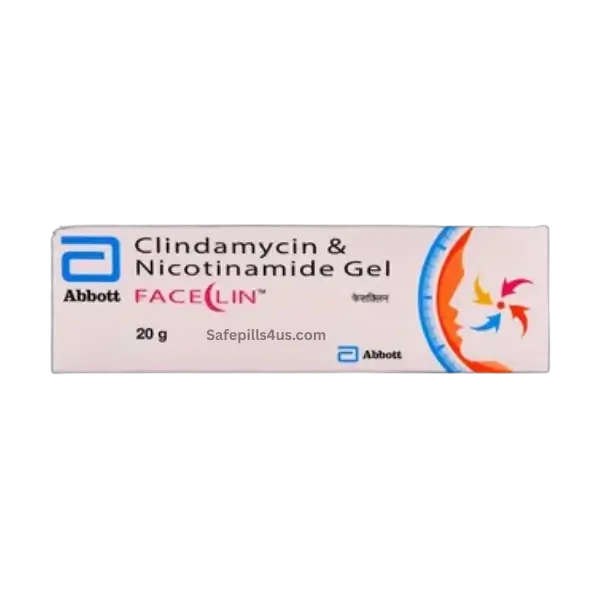
Faceclin Gel (Clindamycin 1% + Nicotinamide 4%)
Faceclin Gel is a dermatologist‑trusted acne treatment formulated to calm active breakouts and help keep new ones from popping up. It’s a light, non‑greasy gel that combines two proven ingredients: clindamycin (a topical antibiotic) and nicotinamide (vitamin B3). In plain words: it helps fight the acne‑causing bacteria and reduces redness, oiliness, and swelling, so your skin looks clearer and feels calmer.
Quick heads‑up: use Faceclin Gel exactly as your
dermatologist or pharmacist told you. This is general product info to help you choose and use it better.
What Faceclin Gel Is Used For
- Mild to moderate acne (pimples, red bumps, and pus‑filled spots)
- Inflamed breakouts on the face, sometimes on chest/back if advised
- Oily, acne‑prone skin that gets frequent flare‑ups
- Post‑acne redness that lingers after a pimple is gone
It’s not a magic eraser for deep cysts overnight, but with consistent use, it can noticeably cut down the number of breakouts and calm the ones you do get.
How Faceclin Gel Works (simple version)
- Clindamycin 1%: targets acne bacteria (Cutibacterium acnes) and helps reduce the inflammation behind angry, red pimples. It basically slows the bacteria’s ability to grow, so your skin can settle down.
- Nicotinamide 4%: a form of vitamin B3 that soothes the skin, helps control excess oil, reduces redness, and supports the skin barrier. Over time, it may also help with the look of post‑blemish marks.
The combo tackles both the bacterial and inflammatory sides of acne. That’s why many derms like it for day‑to‑day control of inflammatory acne.
Key Benefits
- Helps reduce active pimples and inflamed bumps
- Calms redness and irritation linked to breakouts
- Lightweight gel texture that absorbs quickly
- Generally works well under sunscreen and makeup
- Suitable for oily and acne‑prone skin types
- Can be part of a gentle, everyday acne routine
Who Can Use It
- Teens and adults with acne‑prone skin
- People dealing with recurrent, inflamed pimples
- Those who prefer a gel (non‑oily) texture
If you’re pregnant, breastfeeding, or have sensitive or reactive skin, check with your healthcare provider first. Also, if you have a history of inflammatory bowel disease or antibiotic‑associated colitis, talk to your doctor before using clindamycin products.
How To Use Faceclin Gel
Follow your prescriber’s instructions. If you’re new to it, this is the usual flow many people follow:
- Cleanse: Wash your face with a mild, non‑stripping cleanser. Pat dry. Don’t scrub.
- Apply a thin layer: Use a pea‑sized amount for the whole face or dab onto affected areas only. More gel doesn’t mean faster results, it just ups the chance of irritation.
- Frequency: Often once or twice daily as directed. If you have sensitive skin, many start once daily at night, then increase if tolerated.
- Moisturize and protect: Finish with a non‑comedogenic moisturizer. In the morning, sunscreen is a must (SPF 30+). Even though Faceclin isn’t a retinoid, acne‑prone skin tends to be sensitive, and UV can worsen marks.
- Hands off: Avoid the eye area, lips, and inside the nose. Wash hands after applying.
If dryness or mild stinging shows up, you can sandwich it with moisturizer (moisturizer, Faceclin, then moisturizer again) or use it every other day and build up slowly.
What To Expect
- Week 1–2: Skin may feel a bit tight or dry in spots. Some people see early calming of redness.
- Week 3–4: Fewer inflamed pimples, less tenderness around spots.
- Week 6–8: Clearer skin pattern if you’ve been consistent. Post‑blemish redness may start to look better.
- Keep going: Acne treatments work while you use them. Stopping suddenly can let breakouts creep back.
If your acne worsens sharply, you develop severe irritation, or there’s no improvement after several weeks, check back with your dermatologist. Sometimes you’ll need to pair this with another product (like benzoyl peroxide or a retinoid) or switch plans.
Texture, Feel, and Finish
- Lightweight, fast‑absorbing gel
- Non‑oily, comfortable under makeup
- Works well in humid weather and on oily skin types
Ingredients (What’s Inside)
- Active: Clindamycin phosphate 1% (as clindamycin), Nicotinamide 4%
- Base: A gentle gel vehicle designed for easy spread and quick absorption (inactive ingredients may vary by manufacturer)
Side Effects
Most are mild and settle as your skin adjusts:
- Dryness, tightness, or peeling
- Mild burning or stinging after application
- Itching or slight redness
Less common but important:
- Persistent diarrhea, severe stomach cramps, or blood/mucus in stool (rare with topical use, but clindamycin can be associated with antibiotic‑related colitis). Stop use and seek medical advice if this happens.
- Allergic reaction: rash, swelling, or severe irritation that doesn’t calm down.
Tip: Introduce slowly, moisturize daily, and avoid stacking too many harsh products at the same time.
Precautions and Warnings
- For external use only. Keep away from eyes, mouth, and broken skin.
- Don’t layer multiple topical antibiotics at once unless your doctor told you to.
- If you’re already using strong acne treatments (benzoyl peroxide, retinoids, salicylic acid), start Faceclin carefully to avoid extra irritation. Alternate days can help.
- Tell your doctor if you have a history of colitis, Crohn’s disease, ulcerative colitis, or severe antibiotic reactions.
- Antibiotic resistance is a thing. Many dermatologists limit continuous antibiotic gel use or pair it with benzoyl peroxide to help. Follow your prescriber’s plan.
What It Pairs Well With
- Gentle foaming cleanser (fragrance‑free)
- Non‑comedogenic moisturizer with ceramides or hyaluronic acid
- Broad‑spectrum sunscreen SPF 30+ (oil‑free)
- Spot care: Some people use benzoyl peroxide on alternate nights or mornings if advised, to help reduce resistance and target bacteria from a different angle.
- Retinoids (like adapalene): Great for comedones and long‑term maintenance, but introduce slowly and not at the exact same time if you’re getting irritated. Many use Faceclin in the morning, retinoid at night.
Who Should Not Use Faceclin Gel
- Anyone allergic to clindamycin, lincomycin, or nicotinamide
- People advised by their doctor to avoid topical antibiotics
- If you have ongoing severe diarrhea or suspected colitis—seek medical advice first
Storage and Handling
- Store at room temperature away from heat and direct sunlight
- Keep the cap tightly closed
- Keep out of reach of children
- Do not freeze
- Shelf life and tube size can vary by brand and region
Why Choose Faceclin Gel
- Dual‑action formula (antibacterial + anti‑inflammatory)
- Simple to slot into your routine
- Lightweight feel for oily, acne‑prone skin
- Helps lower redness and tenderness from active spots
- Trusted by dermatologists for everyday acne control
Simple Routine Example
Morning:
- Cleanser
- Thin layer of Faceclin Gel (if your doctor said morning use is okay)
- Lightweight moisturizer
- Sunscreen
Night:
- Cleanser
- Faceclin Gel (or your prescribed retinoid on alternating nights)
- Moisturizer
Not everyone needs both morning and night. Your prescriber’s directions come first.
Related Products
- Faceclin‑A Gel (Clindamycin + Adapalene): For acne with lots of blackheads/whiteheads plus inflammation, if your dermatologist advises a retinoid combo.
- Clindamycin + Benzoyl Peroxide Gel: Dual therapy that targets bacteria and helps limit resistance; often for moderate acne.
- Adapalene 0.1% Gel: A retinoid for comedonal acne and long‑term maintenance.
- Benzoyl Peroxide 2.5% or 5% Gel/Wash: Great for body acne and spot treatment; start low to avoid dryness.
- Salicylic Acid 2% Cleanser: Helps clear pores and excess oil.
- Oil‑free, non‑comedogenic moisturizer: Reduces dryness and supports the skin barrier.
- Broad‑spectrum, matte‑finish sunscreen SPF 30–50: Helps protect healing skin and prevent dark marks from getting darker.
Frequently Asked Questions (FAQ)
Q: What is Faceclin Gel used for?
A: It’s used for acne—especially inflamed pimples, red bumps, and pustules. It helps reduce bacteria, oiliness, and redness so breakouts are less frequent and calmer.
Q: How long does Faceclin Gel take to work?
A: Some people notice less redness in 1–2 weeks. Clearer, steadier results usually show up around 6–8 weeks with consistent use.
Q: Can I use Faceclin Gel every day?
A: Yes, if your prescriber told you to. Many use it once or twice daily. If you’re getting dry or irritated, switch to once daily or every other day and moisturize, then build up.
Q: Should I spot‑treat or apply to the whole face?
A: Follow your dermatologist’s guidance. For frequent breakouts, a thin layer over acne‑prone areas often works better than chasing individual spots.
Q: Can I use Faceclin Gel with retinoids or benzoyl peroxide?
A: Often yes, but go slow. These can be drying together. Many use Faceclin in the morning and a retinoid at night, or alternate with benzoyl peroxide. If irritation ramps up, scale back and ask your derm.
Q: Will Faceclin Gel help with acne scars?
A: It helps calm active pimples and may reduce post‑blemish redness over time. True indented scars need different treatments (like retinoids, peels, or procedures). Faceclin is more about managing current acne and redness.
Q: Is Faceclin Gel safe in pregnancy or while breastfeeding?
A: Topical clindamycin has been used in pregnancy and breastfeeding, but decisions are personal. Always check with your healthcare provider first.
Q: Can I apply makeup over Faceclin?
A: Yep. Let the gel absorb, apply a light moisturizer, then use non‑comedogenic makeup. Always remove makeup gently at night.
Q: Any foods or drinks to avoid?
A: No specific food interactions. Just keep skin care gentle and stay consistent. If a product stings or burns, pause and simplify.
Q: What side effects should I watch for?
A: Mild dryness, stinging, or redness are common at first. Rarely, severe diarrhea or abdominal cramps can happen—if that occurs, stop and seek medical advice.
Q: Can Faceclin Gel make acne worse at the start?
A: It’s not known for “purging” like retinoids, but any new routine can cause temporary irritation or a few new spots. This usually settles in a couple of weeks.`





Reviews
There are no reviews yet.