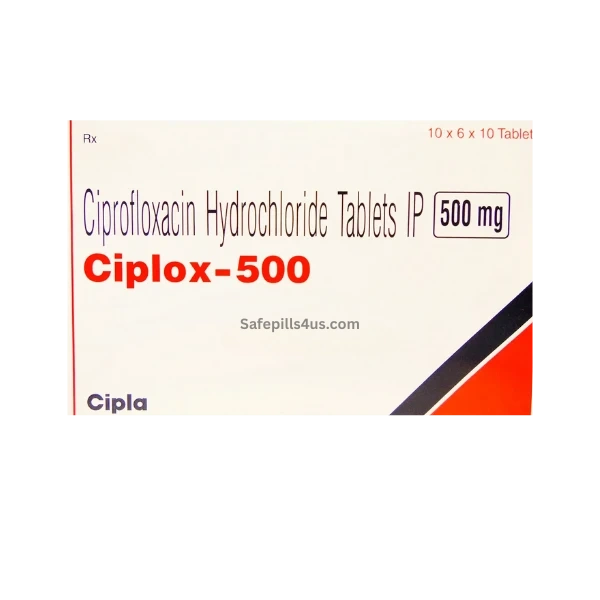
Ciplox 500 mg (Ciprofloxacin) – Product Description
Ciplox 500 mg is a prescription antibiotic tablet used to treat a wide range of bacterial infections. In plain words: it helps stop the bad bacteria that are making you sick, so your body can catch up and heal. The active ingredient is ciprofloxacin, a tried‑and‑tested fluoroquinolone that targets the bacteria’s repair system. When that system is switched off, the bacteria can’t grow or fix themselves, and the infection starts to clear.
Quick heads‑up before we go any further: Ciplox 500 mg is not for viral infections like the common cold or flu. Use it only on a doctor’s advice and exactly as directed. That’s how you get the best results and avoid resistance.
What is Ciplox 500 mg?
- Active ingredient: Ciprofloxacin 500 mg (as ciprofloxacin hydrochloride)
- Class: Fluoroquinolone antibiotic
- Form: Oral tablet
- Typical pack: Blister strips (pack sizes may vary by market)
- Common brand owner in many regions: Cipla (availability can differ by country)
Ciprofloxacin blocks two bacterial enzymes DNA gyrase and topoisomerase IV. Those enzymes are like the bacteria’s “copy and repair” tools. Once blocked, the germs can’t multiply or fix damage, so the infection loses steam.
What infections does Ciplox 500 mg treat?
Your doctor may prescribe Ciplox 500 mg for:
- Urinary tract infections (UTIs), including complicated UTIs and pyelonephritis
- Certain respiratory infections (some types of pneumonia and bronchitis)
- Sinus infections (acute bacterial sinusitis)
- Skin and soft tissue infections
- Bone and joint infections
- Gastrointestinal infections such as traveler’s diarrhea, typhoid/enteric fever (as guided)
- Some sexually transmitted bacterial infections, when appropriate
Note: The exact use depends on your diagnosis, local resistance patterns, and your medical history. Ciprofloxacin isn’t the right choice for every infection; trust your prescriber’s call.
Why choose Ciplox 500 mg?
- Broad coverage against many Gram‑negative bacteria (and some Gram‑positive)
- Oral convenience with strong tissue penetration
- Usually fast symptom relief once the right bug is targeted
- Well‑known safety profile when used correctly and short term
Who can use it
- Adults: Commonly prescribed.
- Adolescents: Sometimes used when benefits outweigh risks (doctor decides).
- Children, pregnancy, and breastfeeding: Generally not first‑line unless a specialist advises it.
Not for viral, fungal, or parasitic infections.
If you have kidney or liver issues, your doctor may adjust the dose. Always mention all ongoing conditions.
How to take Ciplox 500 mg
- Follow your prescription label exactly. Dose and duration depend on the infection.
- Swallow the tablet with a full glass of water. With or without food is fine. If your stomach feels iffy, take it with a light meal.
- Avoid taking the tablet with milk alone or with calcium‑fortified juice. A normal meal that includes some dairy is okay, but don’t wash the pill down with milk by itself.
- Antacids or mineral supplements (magnesium, aluminum, iron, zinc, calcium) interfere with absorption. Space them out: take Ciplox at least 2 hours before or 4–6 hours after these products, including sucralfate or sevelamer.
- Stay hydrated throughout the day.
- Do not skip doses. Don’t stop early just because you feel better. Finish the full course unless your doctor tells you to stop.
- If you miss a dose, take it when you remember. If it’s close to the next dose, skip the missed one. Don’t double up.
Tip for routine: Set alarms. Antibiotics work best at evenly spaced times.
Do’s and don’ts (quick, real‑world stuff)
- Do protect your skin from strong sunlight. Ciprofloxacin can make you sunburn more easily.
- Do keep caffeine lower than usual coffee jitters can feel stronger on this medicine.
- Do call your doctor if side effects feel unusual or severe. Don’t just tough it out.
- Don’t take with tizanidine. That combo is a firm no (dangerously low blood pressure and drowsiness).
- Don’t mix with antacids or mineral supplements at the same time. Space them out as above.
- Don’t engage in heavy workouts if you feel tendon pain. Rest and seek advice.
Warnings and precautions
This part matters. Fluoroquinolones are effective, but they carry some important safety notes:
- Tendon problems: Pain, swelling, or rupture can occur—during treatment or even months later. Higher risk if you’re over 60, on steroids, or have had an organ transplant. If tendon pain hits (often the Achilles), stop Ciplox and get medical help.
- Nerve issues (peripheral neuropathy): Tingling, numbness, burning pain, or weakness can show up fast. Report these symptoms promptly.
- Brain/CNS effects: Headache, dizziness, agitation, confusion, tremors, seizures, hallucinations, or sleep problems are possible. If severe, stop and seek care.
- Heart rhythm (QT prolongation): Be careful if you have long QT, low potassium/magnesium, heart disease, or you take QT‑prolonging drugs. Palpitations, fainting, or a very fast/irregular heartbeat need urgent attention.
- Aorta risk (rare): Aortic aneurysm or dissection risk may be increased in certain people. Sudden severe chest, back, or tummy pain—get emergency care.
- Severe diarrhea (C. difficile): Watery or bloody diarrhea with cramps and fever can happen during or after treatment. Don’t self‑treat with anti‑diarrhea meds—call your doctor.
- Photosensitivity: Sunburn more easily—use sunscreen, a hat, and avoid tanning beds.
- Myasthenia gravis: Symptoms can worsen. Use only if your specialist advises.
- Blood sugar swings: Both low and high blood sugar can occur, especially if you have diabetes or take diabetes medicines. Monitor closely.
- Liver/kidney: Dose adjustments and monitoring may be needed if you have impairment.
Do not use if you’re allergic to ciprofloxacin or any quinolone antibiotic (like ofloxacin, levofloxacin), or if you take tizanidine.
Possible side effects
Most people tolerate Ciplox 500 mg well. Side effects are usually mild and ease as your body adapts.
Common:
- Nausea, vomiting
- Diarrhea, abdominal discomfort, gas
- Headache, dizziness
- Insomnia or vivid dreams
- Joint or muscle aches
- Changes in taste or reduced appetite
Less common:
- Rash, itching, sun sensitivity
- Anxiety, restlessness
- Palpitations
- Temporary changes in liver enzymes on blood tests
Serious (seek medical help right away):
- Tendon pain or rupture (heel, shoulder, thumb, etc.)
- Severe, persistent diarrhea
- Numbness, tingling, burning, or weakness in limbs
- Hallucinations, seizures, severe mood or behavior changes
- Allergic reaction—hives, swelling of face/lips/throat, wheezing
- Yellow skin or eyes, dark urine, severe stomach pain (possible liver issues)
- Fainting, very fast/irregular heartbeat
- Sudden severe chest/back/abdominal pain (rare aortic issues)
If something feels off or intense, it’s better to check in early.
Drug and food interactions
Let your doctor and pharmacist know about everything you take—prescriptions, OTCs, herbal products, vitamins.
Avoid or use with caution:
- Tizanidine: Contraindicated. Do not use together.
- Antacids/minerals: Aluminum, magnesium, calcium, iron, zinc reduce absorption. Keep a 2‑hour before or 4–6‑hour after gap.
- Sucralfate, sevelamer, buffered didanosine: Can bind ciprofloxacin in the gut—separate dosing.
- Warfarin and other anticoagulants: Bleeding risk may rise. INR monitoring may be needed.
- Theophylline: Levels can go up; watch for side effects.
- Antiarrhythmics and other QT‑prolonging drugs: Amiodarone, sotalol, macrolides (like erythromycin), some antipsychotics—combined risk increases.
- Corticosteroids: Higher chance of tendon issues.
- NSAIDs: Rarely may raise seizure risk when combined (especially at high doses).
- Clozapine, ropinirole, duloxetine, methotrexate and others: Levels may change—your prescriber will guide you.
- Caffeine: Ciprofloxacin slows caffeine breakdown; you might feel extra jittery. Dial back coffee/energy drinks.
Food notes:
- You can take Ciplox with meals or on an empty stomach.
- Don’t take it with milk only or calcium‑fortified juices. A normal meal that includes some dairy is generally fine.
Storage and handling
- Store at room temperature, away from moisture and direct heat.
- Keep tablets in the original blister until use.
- Keep out of sight and reach of children and pets.
- Don’t use after the expiry date on the pack.
- Don’t dispose of leftover tablets in the sink or toilet. Ask a pharmacist about safe disposal.
Who should avoid Ciplox 500 mg?
- Anyone allergic to ciprofloxacin or other quinolones
- People taking tizanidine
- Those with a history of severe tendon disorders related to fluoroquinolones
- Patients with known long QT syndrome or significant rhythm problems (unless a specialist advises)
- People with myasthenia gravis, unless specifically cleared by a specialist
- Children, pregnant or breastfeeding individuals only if the doctor believes the benefit outweighs risk
Tell your prescriber if you have kidney disease, liver disease, seizure disorders, mental health conditions, diabetes, heart issues, or you’re on multiple medicines. They may tweak dosing or monitor you more closely.
Practical tips for best results
- Take it at the same times each day to keep levels steady.
- Use phone reminders super simple, super helpful.
- Wear sunscreen or cover up if you’re outdoors.
- Ease back on heavy exercise during treatment, especially if you notice tendon soreness.
- If side effects bother you, don’t stop on your own call your doctor for a plan.
When to get medical advice fast
- Fever and symptoms don’t improve after a few days, or they worsen
- New severe pain, swelling, or redness in a tendon area
- Persistent or bloody diarrhea
- Chest pain, sudden severe back/abdominal pain, fainting, or heart palpitations
- Signs of an allergic reaction
Frequently asked questions (FAQ)
Q: Is Ciplox 500 mg an antibiotic?
A: Yes. It contains ciprofloxacin, a fluoroquinolone antibiotic that treats certain bacterial infections. It won’t help with viral illnesses like colds or the flu.
Q: What is Ciplox 500 mg used for?
A: Doctors use it for UTIs, certain chest and sinus infections, skin and soft tissue infections, bone/joint infections, and some gut infections such as traveler’s diarrhea or typhoid—when appropriate.
Q: How quickly will I feel better?
A: Many people start feeling improvement within 24–72 hours. Still, finish the full course even if symptoms ease sooner.
Q: Can I take Ciplox 500 mg with milk?
A: Don’t take the tablet with milk alone or with calcium‑fortified juices. A regular meal that includes some dairy is usually fine. If in doubt, leave a gap.
Q: What happens if I miss a dose?
A: Take it when you remember unless it’s close to your next dose. Skip the missed one if it’s near the next scheduled time. Never double up.
Q: Can I drink alcohol while taking Ciplox?
A: Alcohol doesn’t cancel it out, but it can worsen dizziness or stomach upset. If you drink, keep it light or better yet, avoid until you’re done.
Q: Is Ciplox safe in pregnancy or while breastfeeding?
A: It’s generally not first‑choice. Use only if a clinician says the benefits outweigh the risks for your situation.
Q: Will Ciplox 500 mg make me sleepy? Can I drive?
A: It’s not usually sedating, but dizziness can happen. See how you feel before driving or using machines.
Q: Can Ciplox cause yeast infections or thrush?
A: Antibiotics can disturb normal flora. If you notice itching, unusual discharge, or white mouth patches, talk to your doctor.








Reviews
There are no reviews yet.