At‑a‑glance, this is a prescription retinoid that goes after acne and signs of sun damage. It clears clogged pores, smooths rough texture, and, with steady use, softens fine lines. It’s not a quick fix, but it is the real deal so go slow, moisturize, and wear sunscreen daily.
Quick facts (scan me)
| Feature |
Details |
| Product name |
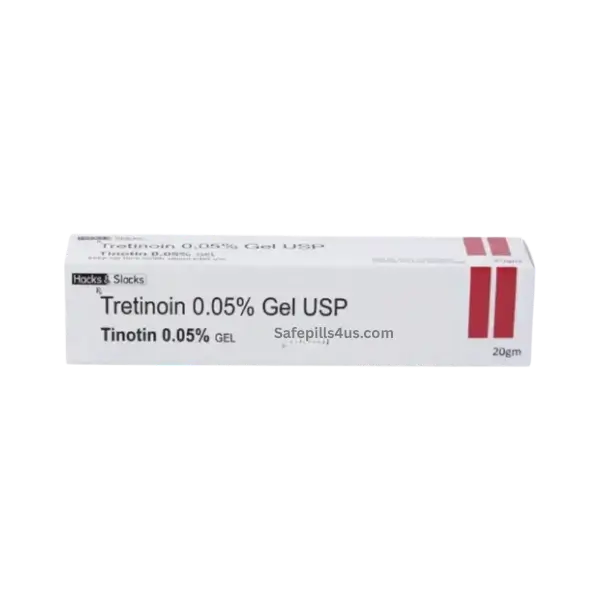
Tretinoin 0.05% Cream |
| Strength |
0.05% w/w (retinoic acid) |
| Category |
Prescription retinoid (topical) |
| What it does |
Unclogs pores, speeds cell turnover, fades uneven tone, supports collagen |
| Main uses |
Acne (blackheads, whiteheads, mild–moderate pimples), photoaging, rough texture, post‑acne marks |
| Skin types |
Normal, combination, oily; dry/sensitive can use with extra care |
| When to use |
Night only, thin layer on clean, dry skin |
| How much |
Pea‑sized amount for the full face (really more just irritates) |
| Build‑up plan |
2x/week → 3–4x/week → nightly as tolerated |
| Sun caution |
Yes. Skin is more sun‑sensitive SPF 30+ every morning |
| Not for |
Pregnancy/planning pregnancy, active eczema/rosacea flare on area, allergy to tretinoin |
| Prescription |
Required in many countries |
| Storage |
Room temp, away from heat/light; cap closed |
Product overview (what it is and why people use it)
Tretinoin is a vitamin A derivative that’s been a
dermatology staple for decades. The 0.05% strength sits in a sweet spot strong enough to work, but usually manageable if you start slow. In plain words, it helps your skin shed the gunk that clogs pores, encourages fresher skin to the surface, and, over months, supports firmer‑looking skin. So, fewer breakouts and smoother texture with time.
Key benefits
- Clears and prevents clogged pores, so breakouts cut down
- Smooths rough, dull texture for a more even look
- Helps fade post‑acne marks and uneven tone (with sunscreen)
- Softens the look of fine lines over months of consistent use
- Cream base adds a touch of moisture compared to gels
Who can use it (and who should be careful)
Good fit:
- Teens and adults with comedonal acne and mild–moderate inflammatory acne
- Normal, combo, or oily skin
- Anyone targeting texture, tone, and early fine lines
Use with caution or avoid:
- Pregnancy or trying to conceive (generally avoided talk to your prescriber)
- Breastfeeding (ask your provider; avoid applying on areas that may contact the baby)
- Active eczema/rosacea on the treatment area
- Recently waxed, sunburned, or broken skin
- Concurrent oral isotretinoin unless your dermatologist says otherwise
How to use (simple routine that actually works)
Night only:
- Cleanse gently. Pat dry. Wait 15–30 minutes skin should be fully dry.
- Apply a pea‑sized amount for your whole face. Dot on forehead, cheeks, chin; spread thin. Avoid eyelids, lips, and nose creases.
- Moisturize after. If you’re sensitive, try the “sandwich” method: moisturizer → tretinoin → moisturizer.
Ramp‑up plan:
- Weeks 1–2: Use 2 non‑consecutive nights per week
- Weeks 3–4: Increase to 3–4 nights per week if skin’s okay
- Then: Nightly, if tolerated. If irritation pops up, back off for a bit.
Morning:
- Gentle cleanse (or just rinse), moisturizer, and broad‑spectrum SPF 30+—every single day. No skipping.
What to expect (real‑world timeline)
- Weeks 1–3: Dryness, mild peeling, tight feeling, and maybe a short “purge.” Annoying, but normal.
- Weeks 4–8: Smoother texture, fewer new pimples, less shine. Flaking calms if you moisturize.
- Weeks 8–12: Clearer skin and fading post‑acne marks.
- 3–6 months: Noticeable improvement in fine lines and sun spots—with daily sunscreen, of course.
If irritation gets intense (burning, swelling, crusting), pause and talk to your prescriber.
Side effects
Common (often settle as your skin adjusts):
- Dryness, peeling, redness, stinging
- Temporary increase in breakouts (purging)
- Tight, shiny skin feeling
Less common but important:
- Severe irritation, swelling, or crusting
- Light or dark patches from overuse (more likely in darker skin tones)
- Sunburn risk goes up—SPF is mandatory
Stop and seek medical advice if reactions are severe or persistent.
What not to mix (same night) and what pairs well
Avoid layering the same night:
- Other retinoids (adapalene, tazarotene, retinal)
- Strong acids or peels (high‑strength AHAs/BHAs), gritty scrubs, alcohol‑heavy toners
- Benzoyl peroxide at the same time (common plan: benzoyl peroxide in the morning, tretinoin at night)
Plays nicely with:
- Gentle, fragrance‑free cleanser
- Hydrators (hyaluronic acid), barrier‑supporting moisturizers
- Niacinamide (calms and supports barrier)
- Vitamin C in the morning (keep tretinoin at night)
Ingredients
- Active: Tretinoin 0.05% w/w
- Inactive: Cream base components vary by manufacturer (emollients, emulsifiers, preservatives). If you’ve got known sensitivities, check your specific pack leaflet.
Safety notes (read before you start)
- Start low and slow consistency beats racing to nightly use
- Don’t apply on wet skin; it can spike irritation
- Use a pea‑sized amount; more product won’t speed results
- Pause a week before and after facial waxing on treated areas
- Daily sunscreen is non‑negotiable
- Not for use during pregnancy; check with your prescriber if breastfeeding
Storage
- Store at room temperature, away from heat and direct light
- Keep cap closed tight
- Keep out of reach of children
- Don’t use past the expiry date on the pack
Frequently Asked Questions
Q: What does Tretinoin 0.05% Cream treat?
A: Mainly acne (blackheads, whiteheads, mild–moderate pimples). It also helps with rough texture, uneven tone, and early fine lines over time.
Q: How long until I see results?
A: For acne, many notice improvements around 8–12 weeks. Texture and lines take longer—think months, not days.
Q: Is “purging” normal?
A: It can happen in the first few weeks as clogs surface faster. It should calm down. If it’s severe or lasts beyond ~6–8 weeks, check with your prescriber.
Q: Can I use it every night?
A: Work up to it. Start 2x/week, then build to nightly as your skin tolerates.
Q: Can I use it with benzoyl peroxide?
A: Yes, just not at the exact same time for most people. A common routine is benzoyl peroxide in the morning and tretinoin at night.
Q: Is it safe in pregnancy?
A: Topical retinoids are generally avoided. If you’re pregnant or trying to conceive, don’t use it—talk to your healthcare provider about alternatives.
Q: How much should I use?
A: A small pea‑sized amount for the entire face. More only ups irritation.
Q: Can I apply around the eyes?
A: Avoid eyelids and lips. You can cautiously apply up to the orbital bone if your prescriber okays it, but go slow.
Q: What if my skin gets very dry and flaky?
A: Cut back to every other night, use a richer moisturizer, and try the sandwich method. Make sure your cleanser is gentle and fragrance‑free.
Q: Will it lighten dark spots?
A: Over time, yes especially post‑acne marks. Sunscreen is key so spots don’t come back darker. 




Reviews
There are no reviews yet.