All Categories
All Categories
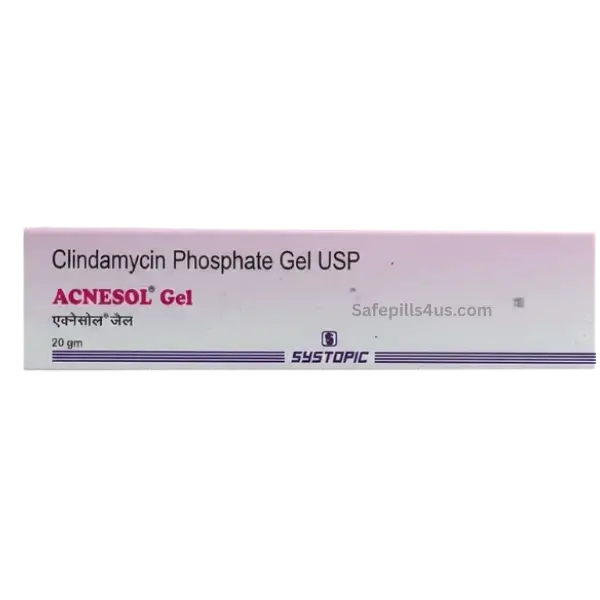
Acnesol Gel 1 (Clindamycin)

Acnesol Gel 1 (Clindamycin)

Price range: $20.00 through $50.00

Acnesol Gel 1% (Clindamycin) is a topical antibiotic used to treat acne and bacterial skin infections. It helps reduce pimples, inflammation, and prevents new breakouts by stopping bacterial growth. With regular use, it promotes clearer, smoother, and healthier-looking skin.

Active Ingredient Clindamycin
Manufacturer Systopic Laboratories Pvt Ltd
Packaging 20 gm in 1 tube
Strength 20g
Delivery Time 6 To 15 days

Acnesol Gel 1 (Clindamycin)

Variant Price Units Quantity Add to Cart
3 Tube/s $20.00 $6.67
6 Tube/s $36.00 $6.00
9 Tube/s $50.00 $5.56

Use Coupon: SF20 20% OFF
📋 Product Description

What It Helps With

  • Inflammatory acne (red, sore bumps and pustules)
  • Pimples on the face, back, or chest
  • Skin that’s breaking out from bacteria overgrowth and excess oil
  • Post-spot redness that needs calming
It won’t erase deep scars or cysts overnight, but it’s great at cutting down fresh, inflamed breakouts and preventing new ones from getting so big.

How Clindamycin Works (simple version)

Acne bacteria (C. acnes) live in pores and feed on oil. Clindamycin slows them down and reduces the swelling they trigger. Less bacteria + less inflammation = fewer angry zits and faster-looking recovery. That’s the core job of a topical antibiotic like this gel. Pro tip: using it with benzoyl peroxide often works even better and helps limit antibiotic resistance.

Why Choose Acnesol Gel 1 (Clindamycin)

  • Lightweight gel: sinks in fast, layers well with moisturizers and sunscreen
  • Aimed at inflamed spots: helps calm redness and tenderness
  • Flexible routine: usually once daily to start; sometimes twice daily if your skin tolerates it
  • Plays nicely in combo routines (e.g., with benzoyl peroxide in the morning, retinoid at night)

How to Use It

  • Cleanse: wash with a gentle, non-foaming or mild foaming cleanser
  • Dry: pat skin dry (don’t rub)
  • Apply: a thin layer of Acnesol Gel 1 (Clindamycin) over the whole acne-prone area, or dot directly on active spots
  • Frequency: usually once daily to start; if your skin is chill with it, your doctor may say twice daily
  • Moisturize + protect: use a non-comedogenic moisturizer and daytime sunscreen (SPF 30+). Acne routines work better when your barrier’s happy
Using other actives?
  • With benzoyl peroxide: great pairing. Try BPO in the morning, Clindamycin at night or apply a combination product if prescribed
  • With retinoids (adapalene, tretinoin): apply the retinoid at night, and use Acnesol Gel 1 at a different time or morning to reduce irritation
  • With acids (salicylic, glycolic): go slow. Too many actives at once can over-dry your skin

What to Expect (realistic timeline)

  • Week 1–2: less tenderness, some spots look calmer
  • Weeks 3–6: fewer new inflamed pimples, improved texture
  • Weeks 8–12: clearer-looking skin with consistent use Breakouts can purge a little at first (annoying, yes). Stick with it and keep moisturizing.

Who Can Use It

Good fit:
  • Teens and adults with mild to moderate inflammatory acne
  • Oily or combo skin that breaks out with red bumps and pustules
  • People who need something simple to add to a routine
Check with your doctor first if:
  • You’re pregnant or breastfeeding (topical Clindamycin is often considered when needed, but still ask)
  • You’ve had severe gut issues like antibiotic-associated colitis
  • Your skin is very sensitive or eczematous start slow and moisturize well

Possible Side Effects

Mostly mild and manageable:
  • Dryness, tightness, or peeling
  • Mild burning or stinging right after application
  • Redness or itch (usually settles with moisturizer and slower use)
Less common, but important:
  • Severe diarrhea or abdominal cramps (very rare with topical use; stop and see a doctor—clindamycin, even on skin, can rarely trigger serious colitis)
  • Allergy: rash, swelling, or trouble breathing—seek medical help
If your skin gets mad, pause, moisturize, and reintroduce every other day. If it stays irritated, check with your clinician.

Do’s and Don’ts (quick and practical)

Do:
  • Use a thin layer—more gel won’t “work faster”
  • Moisturize daily to protect your barrier
  • Pair with benzoyl peroxide to support results and curb resistance
  • Use sunscreen every morning (SPF 30+). Most acne treatments raise sun sensitivity a bit
Don’t:
  • Apply on broken skin, eyes, lips, or inside the nose
  • Mix with strong scrubs or harsh toners on the same areas
  • Expect instant results give it 8–12 weeks for full effect

Interactions & Pairing Notes

  • Benzoyl peroxide: recommended partner; can be layered or used at opposite times of day
  • Topical retinoids (adapalene, tretinoin): excellent combo for full-face care but separate timing to cut irritation
  • Topical erythromycin: may be antagonistic—generally avoid using both together
  • Other drying actives (high-strength AHAs/BHAs, alcohol-heavy toners): can over-irritate when layered; introduce slowly

Ingredients & What’s Inside

  • ActiveClindamycin Phosphate 1% (topical Clindamycin)
  • Base: clear gel, alcohol-free or low-alcohol depending on brand (check label)
  • Non-comedogenic: designed not to clog pores
  • Fragrance profile varies by manufacturer always check your specific pack

Storage & Handling

  • Store at room temperature, out of direct heat/sunlight
  • Keep the cap closed tightly
  • Keep out of reach of children
  • Don’t use past the expiry date

Frequently Asked Questions

Q: Is Acnesol Gel 1 (Clindamycin) good for blackheads and whiteheads?
A: It mainly targets inflamed pimples (red bumps and pustules). For comedones (blackheads/whiteheads), pair it with a retinoid (like adapalene) or salicylic acid—as advised by your doctor.
Q: How long before I see results?
A: Some people notice calmer spots within 1–2 weeks. Best results usually show up after 8–12 weeks of steady use.
Q: Can I use it only as a spot treatment?
A: You can, but applying a thin layer over acne-prone areas helps prevent new breakouts, not just treat the ones you see.
Q: Is it safe to combine with benzoyl peroxide?
A: Yes and it’s often recommended. BPO boosts results and helps reduce antibiotic resistance. Use at different times of day if your skin is sensitive.
Q: Will it bleach clothes?
A: Clindamycin won’t, but if you also use benzoyl peroxide, that ingredient can bleach fabrics. Let products dry and use white towels/pillowcases.
Q: Any pregnancy or breastfeeding concerns?
A: Topical Clindamycin is commonly considered when needed, but always check with your healthcare professional first.
Q: What if my skin gets very dry or irritated?
A: Cut back to every other day, add a gentle moisturizer, and avoid harsh cleansers or scrubs. If irritation persists, talk to your doctor.
Q: Can I get antibiotic resistance from this?
A: It’s possible over time. That’s why pairing with benzoyl peroxide and using as directed is smart.
Q: Is it okay for body acne?
A: Yes. Clean the area, dry, then apply a thin layer. Let it absorb fully before dressing.
Q: Do I need sunscreen?
A: Definitely. Daily SPF 30+ helps prevent post-acne marks from getting darker and keeps your skin calm.
size3 Tube/s, 6 Tube/s, 9 Tube/s
Reviews

Reviews

There are no reviews yet.

Be the first to review “Acnesol Gel 1 (Clindamycin)”

Your email address will not be published. Required fields are marked *

Related Products

Placentrex Gel

Placentrex Gel

Price range: $8.00 through $41.00
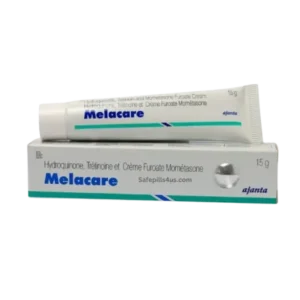
Melacare Cream

Melacare Cream 15 gm

Price range: $22.00 through $60.00
Contractubex Gel

Contractubex Gel

Price range: $26.00 through $145.00
Mupirocin

Mupirocin Ointment 15 gm

Price range: $10.96 through $45.20