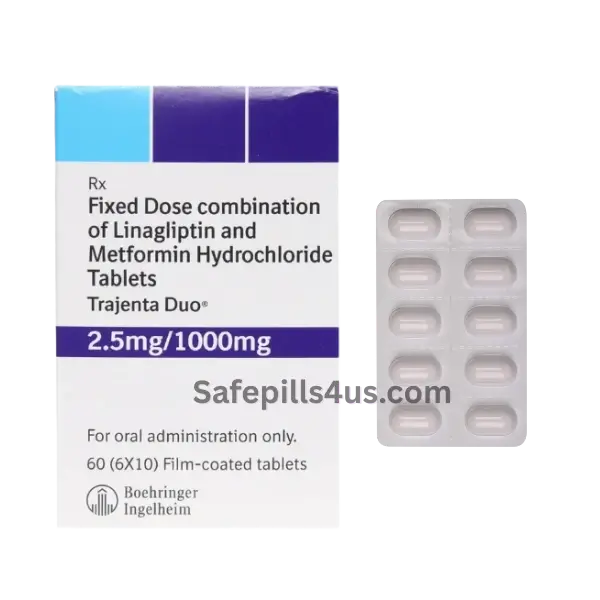
Trajenta Duo 2.5/1000 mg (Linagliptin + Metformin): Small Tablet, Big Support
Trajenta Duo 2.5/1000 mg is a prescription combo for adults with type 2 diabetes. It pairs linagliptin 2.5 mg with metformin 1000 mg in one easy tablet to help bring down blood sugar fasting and after meals without a lot of fuss. If you’re already on metformin and still not quite at goal, or you’re switching from separate tablets, this strength is the practical, let’s-get-it-done option many providers reach for. It’s weight‑neutral for most and has a low risk of low blood sugar when used without insulin or a sulfonylurea.
Why This Combo? Two Actives, One Simple Plan
- Dual action you can feel good about: metformin for steady baseline control + linagliptin (a DPP‑4 inhibitor) for after‑meal support.
- Targets both fasting and post‑meal glucose, so your day looks smoother.
- Typically taken twice a day with meals simple, predictable, do‑able.
- Weight‑neutral for most adults and low hypoglycemia risk when not paired with insulin or sulfonylureas.
How It Steadies Your Numbers (No Jargon)
- Metformin helps your liver make less sugar, makes your body respond better to insulin, and slows how fast sugar from food gets absorbed. It’s the steady workhorse.
- Linagliptin boosts your body’s own incretin hormones. That means more insulin when sugar is high and less glucagon (the raise sugar signal). Think on‑demand help after you eat.
Who Should Consider It and Who Shouldn’t
- Good fit: adults with type 2 diabetes not controlled on metformin alone, or folks switching from separate linagliptin and metformin tablets.
- Not for: type 1 diabetes or diabetic ketoacidosis (DKA).
- Not recommended for: children and teens under 18.
How To Take It Without the Guesswork
- Usual plan 1 tablet twice daily with meals breakfast and dinner work well for many.
- This strength suits people who already tolerate 1000 mg metformin doses. If metformin upsets your stomach or you’re new to it, your provider may start lower.
- Swallow whole with water. Don’t crush or chew.
- Try to take it at the same times each day. Keep your meal plan and activity going it all adds up.
Safety Check: The Must‑Knows
- Kidney health: Metformin is cleared by the kidneys. Not for severe kidney impairment. Your provider will monitor eGFR.
- Lactic acidosis (rare but serious): Get help fast for extreme tiredness, belly pain, fast breathing, unusual sleepiness, or muscle pain. Risk rises with severe kidney/liver disease, heavy alcohol use, dehydration, or before/after contrast dye scans (metformin may be paused around those).
- Pancreatitis: Severe, ongoing upper belly pain (with or without vomiting) needs urgent care stop the med and call your provider.
- Low blood sugar: Not common with this combo alone, but it can happen if you also take insulin or a sulfonylurea doses may need adjusting.
- Vitamin B12: Long‑term metformin can lower B12. If you feel tingling, numbness, or unusual fatigue, ask about a B12 check.
- Skin/allergy alerts: Rash, hives, or blistering (rarely bullous pemphigoid). Also report severe joint pain.
- Alcohol: Easy does it. Heavy drinking + metformin is a no‑go.
- Interactions to mention: insulin, sulfonylureas, carbonic anhydrase inhibitors (like topiramate), iodinated contrast media, and cationic drugs (e.g., cimetidine). Share your full med list.
What’s Inside the Tablet
Each film‑coated tablet contains:
- Linagliptin 2.5 mg
- Metformin hydrochloride 1000 mg
Keep It Right: Simple Storage Tips
- Store at room temperature (around 68–77°F / 20–25°C).
- Keep dry, away from heat and humidity.
- Leave tablets in the original pack/bottle until use.
- Keep out of reach of kids and pets.
FA
Q: Quick, Honest Answers
Q: What is Trajenta Duo 2.5/1000 mg used for?
A: It helps adults with type 2 diabetes lower blood sugar alongside diet and exercise, especially when metformin by itself isn’t enough.
Q: How do I take it?
A: Typically 1 tablet twice daily with meals. Your provider will tailor the plan to your history and current numbers.
Q: How fast does it work?
A: You can see after‑meal improvements within days, with steadier A1C drops over several weeks as your routine settles.
Q: Will it cause low blood sugar?
A: On its own, the risk is low. Lows are more likely if you’re also using insulin or a sulfonylurea—those doses may need tweaks.
Q: Any weight gain?
A: Usually weight‑neutral. Some folks even lose a bit with healthy eating and movement.
Q: Can I drink alcohol with it?
A: Light, occasional drinking may be okay for some, but heavy alcohol is unsafe with metformin. Ask your provider what’s reasonable for you.
Q: What if I miss a dose?
A: Take it when you remember unless it’s near your next dose. Don’t take two at once.
Q: Is it safe with kidney or liver problems?
A: Not with severe kidney disease and generally avoided with significant liver disease. Expect lab checks before and during treatment.
Q: Can I crush the tablet?
A: No—swallow whole. If swallowing pills is tough, ask your pharmacist about options.
Q: Do I need regular tests?
A: Yes A1C, kidney function (eGFR), and sometimes vitamin B12. Your provider sets the schedule.
Q: Pregnancy or breastfeeding?
A: Talk with your healthcare provider about the safest plan for you and your baby.



Reviews
There are no reviews yet.