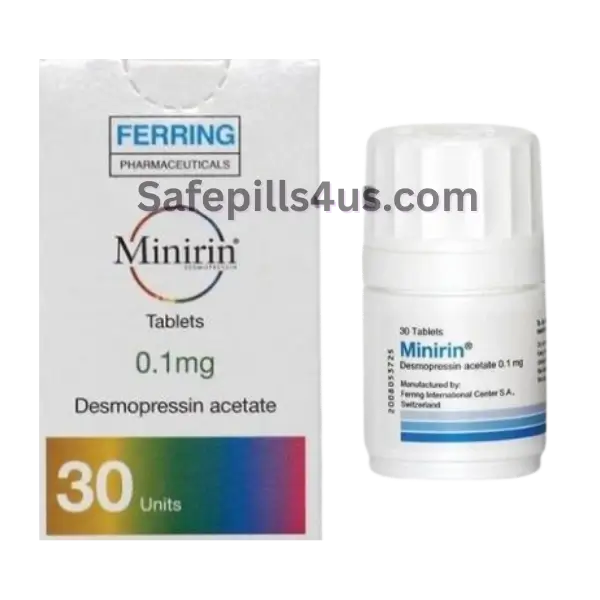
Minirin is a brand of desmopressin a man‑made version of vasopressin (your body’s anti‑pee hormone). It helps your kidneys hold onto water so you don’t make too much urine. can be a game‑changer for conditions like central diabetes insipidus (CDI), bedwetting (primary nocturnal enuresis), and night time urination (nocturia) due to nocturnal polyuria. Different countries approve different uses, so follow your local label and your prescriber’s advice.
Quick snapshot
| Feature |
Details |
| Active ingredient |
Desmopressin acetate |
| What it does |
Lowers urine production by concentrating urine |
| Common uses |
Central diabetes insipidus, primary nocturnal enuresis, nocturia (nocturnal polyuria) |
| Forms (vary by country) |
Tablets: 0.1 mg, 0.2 mg; Melt/ODT: 60, 120, 240 mcg; Nasal spray: 10 mcg/spray |
| Biggest caution |
Low sodium (hyponatremia) from holding too much water—fluid restriction matters |
| Monitoring |
Check serum sodium, especially at start, after dose changes, and in higher‑risk patients |
How Minirin works
Desmopressin tells your kidneys to reabsorb more water back into the bloodstream. That means less urine volume, fewer bathroom trips, and drier nights. It doesn’t knock you out or sedate you it simply changes how much water you excrete.
Who it’s for
- Central diabetes insipidus (CDI): Helps replace the missing/low vasopressin signal.
- Primary nocturnal enuresis (bedwetting): Used at bedtime to cut down nighttime urine production.
- Nocturia from nocturnal polyuria: Selected adults who make too much urine at night.
Who should not use it
- People with hyponatremia (low sodium) or a history of water intoxication
- Moderate to severe kidney disease (often avoided if eGFR/CrCl < 50 mL/min)
- Syndrome of inappropriate antidiuretic hormone (SIADH) or uncontrolled thirst (psychogenic polydipsia)
- During illnesses that change fluid balance (vomiting, diarrhea, fever) until stable again
- Caution in older adults, those on meds that lower sodium, and anyone with heart failure or uncontrolled blood pressure—talk to your prescriber
How to take Minirin (general guidance follow your prescription)
- Tablets (0.1 mg, 0.2 mg) or Melt/ODT (60/120/240 mcg): Usually taken at bedtime for enuresis/nocturia. For CDI, doses may be split 1–3 times daily.
- Nasal spray: Often for CDI; technique matters. Avoid if you have severe nasal congestion or infections.
- Fluid restriction is key: Limit fluids from 1 hour before your dose until at least 8 hours after. That’s the big safety step that prevents low sodium.
- If you’re sick (vomiting, diarrhea, heavy sweating, fever): Pause Minirin and contact your clinician your fluid balance is changing.
- Missed dose: Skip and take the next dose at the usual time. Don’t double up.
Safety first: hyponatremia
Holding too much water can dilute your blood sodium. That can be dangerous. Watch for:
- Headache, nausea, vomiting
- Unusual tiredness, confusion, irritability
- Muscle cramps
- In severe cases seizures
Side effects
Common (usually mild):
- Headache
- Stuffy or runny nose (intranasal)
- Mild stomach upset
- Facial flushing
Less common but important:
- Low sodium (hyponatremia) and water intoxication
- Increased blood pressure or swelling (fluid retention)
- Allergic reaction (rash, swelling, trouble breathing)
Drug interactions to know
Some medicines make hyponatremia more likely or change how Minirin works:
- Can raise hyponatremia risk: SSRIs/SNRIs, tricyclics, carbamazepine, NSAIDs, chlorpropamide, thiazide diuretics, cyclophosphamide
- May blunt effect: Lithium, loop diuretics
- Alcohol: Can interfere with antidiuretic effects and hydration balance go easy
Tips for better results
- Stick to the fluid limits around your dose. This is the 1 safety tip.
- Set a bedtime reminder so you dose consistently (for enuresis/nocturia).
- For intranasal use, review technique tiny changes can impact absorption.
- Pause during acute illness (GI bugs, fever) and call your clinician for guidance.
- Keep follow‑up labs and appointments sodium checks aren’t optional.
Storage and handling
- Store at room temperature, dry and away from heat and light.
- Keep melts/ODT in blister packs until use; they’re moisture‑sensitive.
- Keep out of reach of children and pets.
Frequently Asked Questions
Q: How fast does Minirin work?
A: Pretty quickly. Many people notice fewer bathroom trips the first night or within a few doses. Your clinician may adjust your dose over the first couple of weeks.
Q: Do I really need to restrict fluids?
A: Yes. It’s the main way to prevent low sodium. Limit drinks from one hour before your dose to at least eight hours after.
Q: Is the nasal spray stronger than tablets?
A: Intranasal absorption can be more variable but often more potent per microgram. That’s why dosing isn’t interchangeable. Only switch forms under medical guidance.
Q: Can kids use Minirin for bedwetting?
A: Yes, in many regions. Dosing and safety rules (especially fluid restriction) must be followed closely. Parents should supervise.
Q: What if Minirin suddenly stops working?
A: Illness, new meds, or device issues (for nasal spray) can change effectiveness. Don’t increase your dose on your own—check in with your clinician.
Q: Will I need it forever for CDI?
A: Some do; others adjust over time. The plan is individualized. Many people learn to “titrate to effect” while keeping sodium safe—always with clinician guidance.
Q: Can I drink alcohol with Minirin?
A: Light alcohol may be okay for some, but it can muddle hydration cues. If you’re using Minirin at bedtime, it’s smart to limit or skip alcohol that evening. 


Reviews
There are no reviews yet.