safepills4us.com

All Categories
Home/Diabetes/Glycomet GP 1
  • Glycomet GP 1

Glycomet GP 1

Availability:

Price range: $27.98 through $87.45

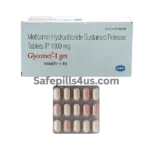
Glycomet GP 1 is a combination medicine containing metformin and glimepiride, used to manage type 2 diabetes. It helps improve insulin sensitivity, reduce glucose production, and maintain better blood sugar control when used along with diet and exercise.

Active Ingredient (Generic Name):Metformin/Glimepiride
Indication:Type 2 diabetes
Manufacturer:USV Pvt Ltd
Packaging:15 tablet sr in 1 strip
Strength:500mg/1mg
Delivery Time:6 To 15 days

Use Coupon Code: SF20 for 20% OFF

Glycomet GP 1

VariantPriceUnitsQuantityAdd to Cart
60 Tablet/s$27.980.47
120 Tablet/s$48.970.41
240 Tablet/s$87.450.36

Glycomet GP 1 is a combo diabetes tablet made for adults with type 2 diabetes. It brings two proven meds together in one pill to help lower blood sugar through the day and after meals. It’s practical, it’s steady, and it fits right into most daily routines usually taken with breakfast so your numbers behave through the morning.

  • Type: Oral antidiabetic combination
  • Main uses: Better daily blood sugar control and lower A1C
  • For: Adults with type 2 diabetes (not for type 1 or DKA)
  • Key point: Always follow your prescriber’s exact plan

What’s Inside This Tablet?

  • Glimepiride 1 mg (a sulfonylurea)
  • Metformin (commonly 500 mg check your pack for the exact strength)

Who Should Consider Glycomet GP 1

  • Adults diagnosed with type 2 diabetes who need more than metformin alone
  • People whose fasting and after‑meal numbers are running high despite diet and exercise
  • Patients already on glimepiride and metformin who want a single-pill combination

Not for:

  • Type 1 diabetes or diabetic ketoacidosis
  • People with severe kidney disease (metformin may not be safe)
  • Anyone with a known allergy to sulfonylureas or metformin

How Glycomet GP 1 Helps Your Numbers

Two‑Way Action

  • Glimepiride: nudges your pancreas to release more insulin, especially around meals. That helps with post‑meal spikes.
  • Metformin: reduces the liver’s sugar output and helps your body use insulin better. That steadies fasting and daytime numbers.

How to Take It

Your Daily Routine

  • Dose: As prescribed by your clinician. Many people take one tablet daily with breakfast; some may need an evening dose too.
  • Food matters: Take with food to cut down stomach upset and reduce the chance of low blood sugar.
  • Swallow whole: Don’t crush or chew unless your prescriber says otherwise. If your label says “SR/ER,” do not break it.
  • Consistency: Take it the same time every day. Set a phone reminder it helps.

Missed a Dose

  • If you remember within a few hours of your usual time, take it with food.
  • If it’s close to the next dose, skip the missed one. Don’t double up.

Side Effects You Might Notice

The Common Stuff

  • Metformin side: nausea, loose stools, gas, stomach discomfort (usually settles after a week or two, especially when taken with meals)
  • Glimepiride side: low blood sugar (shakiness, sweating, fast heartbeat, hunger), mild weight gain
  • Other: headache, dizziness, metallic taste, vitamin B12 levels may drop over time with metformin

Less Common but Important

  • Hypoglycemia that’s severe or keeps happening needs a dose review
  • Signs of lactic acidosis with metformin (very rare but serious): unusual muscle pain, extreme tiredness, trouble breathing, stomach pain, feeling cold, slow or irregular heartbeat get urgent medical help
  • Allergic reactions: rash, swelling, trouble breathing seek help right away

Safety Checks Before You Start

Talk to Your Clinician If You Have

  • Kidney issues (eGFR matters for metformin dosing)
  • Liver disease or alcohol misuse
  • Heart failure or frequent dehydration
  • A history of severe lows on sulfonylureas
  • Planned surgery or imaging with iodinated contrast (you may need to pause metformin)

Alcohol and Driving

  • Alcohol can increase the risk of low blood sugar and metformin side effects—go easy or avoid.
  • Until you know how Glycomet GP 1 affects you, don’t drive or use heavy machinery if you feel dizzy or drowsy.

Drug and Food Interactions (Quick Scan)

  • Can increase risk of lows other diabetes meds (insulin, other sulfonylureas)
  • Can affect control steroids, some diuretics, certain antidepressants, and decongestants
  • Beta‑blockers may mask low blood sugar symptoms (like fast heartbeat)
  • Antacids and GI meds generally okay, but if your stomach is upset, ask about timing
  • Always share your full med/supplement list with your provider

Everyday Tips To Get the Best Results

  • Pair the tablet with a simple, steady meal plan (consistent carbs are your friend)
  • Stay active most days fast walks count
  • Hydrate, especially in hot weather or when sick
  • Check your sugars as advised and keep a quick log (numbers + notes helps your doctor tune your dose)
  • Get A1C checked every 3–6 months
  • Ask about B12 checks if you’re on metformin long term

Storage & Handling

  • Store at room temperature, away from moisture and heat
  • Keep in the original strip or bottle with the label
  • Out of reach of kids and pets
  • Don’t use past the expiration date

FAQs: Glycomet GP 1

  1. What is Glycomet GP 1 used for?
    Glycomet GP 1 helps adults with type 2 diabetes lower daily blood sugar and A1C. It combines glimepiride and metformin in one tablet.
  2. How fast will it start working?
    You may see better meter readings within days, especially after meals. A1C improvements are usually seen over 8–12 weeks.
  3. How should I take Glycomet GP 1?
    Usually with breakfast, exactly as prescribed. Take with food to reduce stomach upset and lower the risk of lows.
  4. Can Glycomet GP 1 cause low blood sugar?
    Yes—because of glimepiride. Eat on time, don’t skip meals, and carry a quick source of sugar. Metformin alone rarely causes lows.
  5. What if I have diarrhea or nausea?
    That’s often the metformin side and tends to settle. Take with meals. If it doesn’t improve, call your provider—dose or timing may need a tweak.
  6. Is Glycomet GP 1 the same as Glycomet GP 2?
    No. The “1” usually refers to 1 mg glimepiride. GP 2 has 2 mg glimepiride with the same metformin amount. Always check your exact strength on the label.
  7. Can I take it with insulin?
    Sometimes yes, but your clinician has to set that plan and watch for lows. Never combine or adjust doses on your own.
  8. Is it safe in pregnancy or breastfeeding?
    Generally, this combo isn’t first‑line in pregnancy. Talk to your OB and diabetes team about safer options.
size

120 Tablet/s, 240 Tablet/s, 60 Tablet/s

Reviews

There are no reviews yet.

Be the first to review “Glycomet GP 1”

Your email address will not be published. Required fields are marked *

You haven't viewed at any of the products yet.