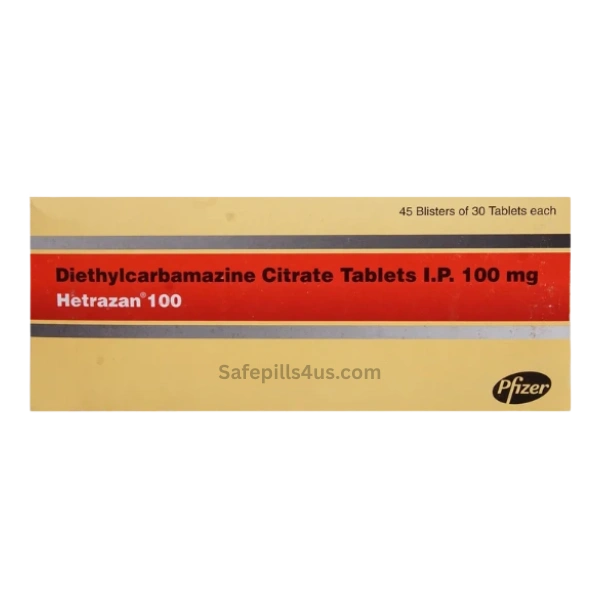
Hetrazan 100 mg (Diethylcarbamazine) – Product Profile
Hetrazan 100 mg is a trusted anti-filarial medicine with the active ingredient diethylcarbamazine (often shortened to DEC). In plain words, it’s a tablet used to treat certain parasitic worm infections that live in the blood and lymph system. If your doctor diagnosed conditions like lymphatic filariasis (the infection behind elephantiasis), loiasis (eye worm), or tropical pulmonary eosinophilia, this is one of the go-to medicines they may prescribe. It doesn’t cover every parasite under the sun, but where it fits, it works well—especially against the tiny baby worms (microfilariae) that cause a lot of the trouble.
What Hetrazan 100 mg actually does
Parasites like filarial worms can hide in the blood and lymph vessels for years. They shed microfilariae that circulate and trigger inflammation. That’s where Hetrazan comes in. DEC changes the surface of these microfilariae and makes them easier for your body to clear. It also calms the inflammatory reactions tied to the worms. So, symptoms like swelling, night cough (in tropical pulmonary eosinophilia), itching, and local pain may ease as the parasite load drops. It’s not an instant flip of a switch, but it’s real progress.
Who might be prescribed Hetrazan
- People diagnosed with lymphatic filariasis (Wuchereria or Brugia species)
- Individuals with loiasis (Loa loa), under close supervision because reactions can be stronger if parasite counts are high
- Patients with tropical pulmonary eosinophilia (a filarial‑related lung condition with cough and high eosinophils)
- Select cases of toxocariasis or other helminth infections if your specialist recommends DEC
Not everyone with a travel history or a random rash needs DEC. Diagnosis usually involves blood smears, antigen tests, eosinophil counts, and your story (travel, bites, symptoms). Your clinician pieces this together before prescribing.
How to take it (general guidance follow your doctor’s exact plan)
Your dosing depends on your weight, the parasite involved, and how you’re reacting to treatment. So the exact schedule might not look the same for everyone.
Typical approaches your prescriber may use:
- Start low, then build: A small test dose on day one (to watch for reactions), then slowly raise to the target daily dose.
- Weight‑based dosing: Many plans land around 6 mg/kg/day split into 2–3 doses, for 12–21 days for lymphatic filariasis. Loiasis can require 8–10 mg/kg/day for about 21 days. Tropical pulmonary eosinophilia often uses a similar duration. But again—your doctor decides.
- Divided doses: Taking DEC with food and splitting it across the day can reduce stomach upset.
- Repeat courses: Some infections need a second course later, especially if adult worms remain.
Missed a dose:
- Take it when you remember, unless it’s close to the next one. Don’t double up. When in doubt, call your pharmacist or prescriber.
Stay the course:
- Even if you feel better halfway through, finish the full treatment unless your clinician tells you otherwise.
Hydration helps:
- Drink water, eat lightly if your stomach is sensitive, and rest if you feel crummy on day one or two.
What you might feel during treatment
Honest heads‑up: the first few days can be the bumpiest. As the medicine kills or stuns the parasites, your immune system reacts. That die‑off response can bring:
- Fever, chills, muscle aches
- Itchy skin or a rash
- Swollen glands
- Tiredness or malaise
This is called a Mazzotti‑type reaction, and it’s basically your body reacting to the dead parasites. It usually settles down. Your clinician may suggest antihistamines, anti‑inflammatory meds, or a slower dose ramp if symptoms are rough. Keep them in the loop; don’t just push through severe symptoms on your own.
Safety notes, warnings, and when to call for help
Common side effects:
- Nausea, stomach upset, loss of appetite
- Dizziness or headache
- Fatigue
- Mild rash or itching
- Joint or muscle pain
Less common but important:
- Low‑grade fever or chills (die‑off reaction)
- Protein in urine or hematuria (your doctor may check your urine)
- Wheezing or cough changes in people with lung involvement
Serious get medical help urgently:
- Vision changes, severe eye pain, or sudden floaters, especially if you might have Loa loa or Onchocerca exposure
- Severe headache, confusion, or neurologic symptoms (rare but can happen in heavy loiasis)
- High fever with severe rash or peeling skin
- Shortness of breath, chest pain, or fainting spells
- Signs of an allergic reaction (facial swelling, hives, trouble breathing)
Do not use DEC to treat onchocerciasis (river blindness). It can trigger severe eye inflammation and make things worse. In areas where onchocerciasis is possible, your clinician will test and pick safer alternatives.
Use with caution if:
- You have kidney issues (DEC is cleared by the kidneys; dose adjustments may be needed)
- You’re pregnant or breastfeeding (your prescriber will weigh risks vs. benefits)
- You have a high Loa loa microfilarial load—treatment requires very careful planning
- You’re on multiple medicines that can upset your stomach or cause dizziness
Interactions and what to avoid
DEC doesn’t have a long, scary list of drug interactions, but a few practical points help:
- Alcohol: best kept to a minimum; it can worsen dizziness or stomach upset.
- Other anthelmintics (like ivermectin or albendazole): Sometimes combined by specialists for specific protocols. Don’t mix and match on your own.
- Sedatives or meds that already make you drowsy: DEC can add a bit of dizziness in some people.
- Strong anti‑inflammatories/aspirin use: May be recommended short term to manage reactions, but ask your prescriber what’s safe for you.
Practical tips for smoother treatment
- Take with food: A small meal or snack can ease nausea.
- Go slow at first: If your doctor starts you on a tiny dose, don’t be tempted to jump ahead. It’s for your safety.
- Hydrate and rest: Especially during the first days when die‑off reactions are most likely.
- Protect your skin: If you’re itchy, lukewarm showers and gentle moisturizers can help. Your prescriber may also suggest an antihistamine.
- Keep follow‑ups: You might need blood tests, urine checks, or repeat exams to confirm the treatment is doing its job.
Why choose Hetrazan 100 mg
- Proven anti‑filarial action against key parasites
- Weight‑based dosing allows precise treatment
- Often well‑tolerated when ramped up carefully
- Can be paired with other therapies (like albendazole or doxycycline in specialist protocols) when clinically appropriate
Frequently Asked Questions
Q: What is Hetrazan 100 mg used for?
A: It’s used to treat certain filarial worm infections such as lymphatic filariasis, loiasis, and tropical pulmonary eosinophilia. Your clinician confirms the diagnosis and picks the right regimen.
Q: How does Diethylcarbamazine work?
A: DEC alters the surface of microfilariae and helps your immune system clear them. It can also impact adult worms in some species. In short, it lowers the parasite load and calms inflammation.
Q: How long before I feel better?
A: Some people feel relief within a few days—less itching, easier breathing at night, less swelling—but full response typically builds over 2–3 weeks. Reactions may be stronger early on as parasites die.
Q: Can I use Hetrazan for river blindness (onchocerciasis)?
A: No. DEC can make onchocerciasis worse, especially in the eyes. Other medicines (like ivermectin) are used under medical supervision.
Q: What’s a Mazzotti reaction?
A: It’s a temporary immune response to dying parasites—fever, rash, itching, aches, swollen glands. Uncomfortable, yes, but it’s a sign the medicine is hitting the target. Call your clinician if it’s severe; they can adjust your plan.
Q: Is Hetrazan safe in pregnancy?
A: Your prescriber will weigh risks and benefits based on your infection and trimester. Don’t start or stop any antiparasitic therapy without medical advice during pregnancy.
Q: Can children take DEC?
A: Yes, under medical supervision. Doses are based on weight. Do not guess doses for kids.
Q: What if I miss a dose?
A: Take it when you remember unless it’s close to the next dose. Don’t double up. If you miss several doses, contact your clinician to get back on track.
Q: Can I drink alcohol while taking it?
A: A little might be okay for some people, but it can increase dizziness or stomach upset. It’s safest to minimize or avoid alcohol during treatment.
Q: Do I need tests during or after treatment?
A: Often, yes. Your clinician may check blood counts, urine, or repeat parasite tests to confirm the medicine worked and to decide if another course is needed.
Q: Can I take DEC with albendazole or ivermectin?
A: Sometimes doctors combine therapies for specific infections or public health programs, but this should always be clinician‑directed. Don’t self‑combine.
Q: Why do I feel worse on day one or two?
A: That’s usually the die‑off reaction. It tends to settle. Let your clinician know; they may add supportive meds or tweak your dosing schedule.
Q: How should I store Hetrazan?
A: Keep it at room temperature, dry, and away from direct heat or sunlight. Tighten the cap after each use and keep it out of reach of kids and pets.
Related products
- Ivermectin Tablets: Commonly used for onchocerciasis and strongyloidiasis; also used in some filariasis programs under guidance.
- Albendazole Tablets: Broad‑spectrum anthelmintic often paired in filarial protocols and for many intestinal helminths.
- Doxycycline Capsules: Used in certain filariasis regimens to target Wolbachia endosymbionts and help sterilize adult worms (specialist‑directed).
- Mebendazole Tablets: Another broad‑spectrum dewormer for intestinal worms, chosen based on the specific parasite.
- Levamisole Tablets: Select anthelmintic and immunomodulator used in certain regions and indications, as directed by a clinician.






Reviews
There are no reviews yet.