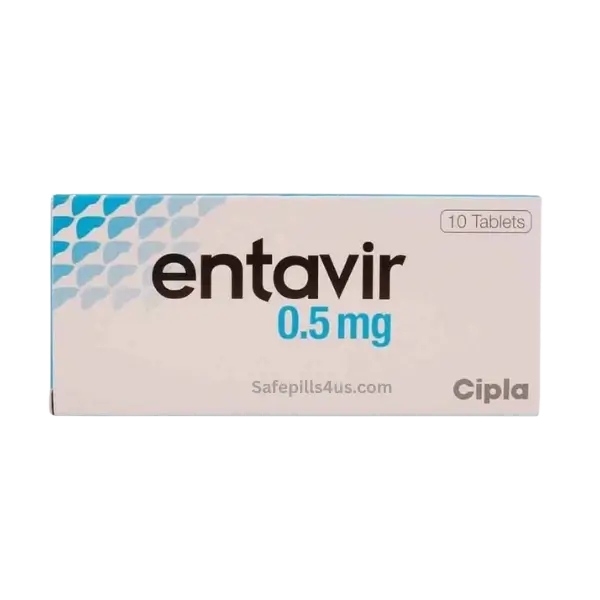
Entavir 0.5 mg is an antiviral tablet with entecavir as the active ingredient. It’s used for chronic hepatitis B (HBV) in adults and suitable patients as directed by a doctor. In plain words, it helps slow down the hepatitis B virus so it can’t multiply as fast, which gives your liver a chance to heal and calms down ongoing damage. It’s prescription‑only, and it’s meant for long‑term management, not a quick fix.
What is Entavir 0.5 mg?
Entavir 0.5 mg contains entecavir, a trusted antiviral for chronic HBV. It targets the virus at its copy machine (the HBV polymerase), which lowers viral load and helps bring liver enzymes (like ALT) back toward normal. Over time, consistent use can help improve liver inflammation and reduce the risk of long‑term complications. It won’t cure hepatitis B, but many people reach undetectable viral levels and feel better with steady treatment.
The 0.5 mg strength is typically used for:
- Adults who have never taken HBV nucleoside/nucleotide antivirals before
- People with compensated liver disease, as advised by a doctor
If you have lamivudine resistance, decompensated liver disease, or certain high‑risk features, your doctor may select a different dose (often 1 mg daily) or a different medicine. So, the exact plan is individual.
How it works
Hepatitis B multiplies by copying its DNA inside your liver cells. Entecavir slips in and blocks the viral polymerase, which is like shutting down the copier. When the virus can’t copy itself well, your viral load drops. That means less damage going on in the liver, less inflammation, and better lab numbers over time. You might not feel it working right away, but your blood tests usually tell the story within weeks to months.
Who is it for?
Your doctor may prescribe Entavir 0.5 mg if you:
- Have chronic hepatitis B with signs of active viral replication
- Have elevated liver enzymes or evidence of liver inflammation/fibrosis
- Are treatment‑naïve (haven’t taken HBV antivirals before)
- Have compensated liver disease
It can be used in other scenarios too, but dosing may change. For pediatric use or special situations (transplant, decompensated cirrhosis, HIV coinfection), your specialist will guide the plan.
Benefits you may notice
- Lower viral load: HBV DNA typically drops often significantly.
- Better liver tests: ALT/AST can trend back toward normal.
- Improved liver health: Reduces the ongoing damage that can lead to scarring.
- Predictable once‑daily dosing: Simple routine helps with adherence.
- Generally well tolerated: Many people do fine with minimal side effects.
Just being honest: antiviral therapy is more of a marathon than a sprint. You may need treatment for a long time, and follow‑up blood tests matter.
Dosage and how to take
- Standard adult dose (typical): 0.5 mg once daily, exactly as your doctor prescribes.
- Empty stomach: Take it at least 2 hours before or 2 hours after a meal. Water is fine.
- Same time daily: Pick a time you can stick to (mornings work well for many).
- Don’t stop abruptly: Stopping suddenly can cause a serious hepatitis flare. If changes are needed, your doctor will tell you how to do it safely.
- Kidney issues: If you have reduced kidney function, your doctor may adjust how often you take it.
Missed a dose?
- Take it as soon as you remember unless it’s close to your next dose.
- If it’s almost time for the next one, skip the missed dose.
- Don’t double up. Just go back to your normal schedule.
Safety notes and warnings
- Hepatitis flare after stopping: This is a big one. Severe acute exacerbations of hepatitis B can happen after discontinuation. Keep follow‑up appointments and don’t stop unless your doctor says so.
- Lactic acidosis and severe hepatomegaly with steatosis: Very rare but serious. If you notice deep, rapid breathing, unusual muscle pain, extreme tiredness, stomach pain with nausea/vomiting, or a sudden feeling of being very unwell, get medical help.
- HIV coinfection: Do not use entecavir alone if you have HIV. It can cause HIV resistance. Testing is recommended before starting.
- Liver disease status: If you have decompensated cirrhosis or are post‑transplant, dosing and monitoring will be more intensive. Follow specialist guidance closely.
- Pregnancy and breastfeeding: The decision is individualized. Your doctor will weigh benefits and risks. If you’re pregnant, planning, or nursing, talk before starting or continuing therapy.
- Driving/alertness: Dizziness has been reported in some people. If it happens, go easy on driving or operating machinery until you know how you react.
Possible side effects
Most people tolerate entecavir well. Side effects, if they appear, are often mild and tend to settle.
Common (usually mild):
- Headache
- Tiredness or weakness
- Dizziness
- Nausea, upset stomach, or diarrhea
- Trouble sleeping
Less common but important contact your doctor:
- Persistent vomiting, severe abdominal pain
- Yellowing of the skin or eyes (jaundice), dark urine
- Unusual bruising or bleeding
- Shortness of breath, deep rapid breathing
- Muscle pain with extreme tiredness
- Fast or irregular heartbeat
- Signs of liver flare (feeling very unwell with rising jaundice or sharp increase in liver enzymes)
Also, watch for any rash, swelling of the face or throat, or difficulty breathing—these can be signs of an allergic reaction and need quick attention.
Drug interactions
Entecavir doesn’t have tons of interactions, but it is cleared by the kidneys, so anything that seriously affects kidney function can change how your body handles it.
Tell your doctor about:
- Immunosuppressants that may affect kidneys: tacrolimus, cyclosporine
- Other potentially nephrotoxic drugs: aminoglycosides, amphotericin B, high‑dose NSAIDs, certain antivirals
- HIV medicines: your care team will coordinate to prevent resistance and ensure proper coverage
- Any over‑the‑counter items and herbal supplements
As a rule of thumb, share your full medication list (including vitamins). Don’t start or stop anything without checking.
Monitoring and follow‑up
Regular check‑ins are part of the plan. Typical follow‑up includes:
- HBV DNA (viral load) to confirm the medicine is suppressing the virus
- Liver enzymes (ALT/AST), bilirubin, and other liver function markers
- Kidney function (creatinine/eGFR), especially if you have renal concerns
- HBeAg/anti‑HBe status, as relevant
- Assessment for resistance or breakthrough if viral load rebounds
- Screening for liver health (ultrasound/AFP) if you have cirrhosis or are high‑risk
Practical tips
- Consistency wins: Take it at the same time daily, on an empty stomach.
- Do not share: Never give your medicine to anyone else.
- Safer living with HBV: Practice safe sex, avoid sharing razors/needles, and ask your doctor about vaccination for close contacts.
- Go easy on alcohol: Your liver is already working hard. If you drink, discuss limits with your provider.
- Keep a simple log: Not required, but jotting down doses and lab dates helps you stay on track.
Storage and handling
- Store at room temperature, away from heat and moisture.
- Keep tablets in the original blister or bottle until use.
- Keep out of sight and reach of children and pets.
- Do not use after the expiry date on the pack.
Frequently Asked Questions (FAQ)
Q1: What is Entavir 0.5 mg used for?
A: It’s used to treat chronic hepatitis B in adults (and certain patients as directed). It helps lower the amount of virus in the body and supports better liver health over time.
Q2: Is 0.5 mg the right strength for me?
A: For many treatment‑naïve adults with compensated liver disease, yes. If you have lamivudine resistance or more advanced liver disease, your doctor may opt for 1 mg daily or a different therapy.
Q3: How fast does it work?
A: Some people see drops in viral load within weeks, but the full benefit shows up over months. Your lab tests will tell you more than symptoms do.
Q4: Do I take it with food?
A: No—take it on an empty stomach. That means at least 2 hours before or 2 hours after any meal.
Q5: What if I miss a dose?
A: Take it when you remember unless it’s almost time for the next dose. If it’s close, skip the missed one and continue as normal. Don’t double up.
Q6: Can I stop once my viral load is undetectable?
A: Don’t stop without medical advice. Stopping suddenly can trigger a serious hepatitis B flare. Your doctor will guide any changes or potential treatment stops.
Q7: Will Entavir 0.5 mg cure my hepatitis B?
A: It doesn’t “cure” HBV, but it can suppress the virus long‑term and protect your liver. Some people may eventually stop therapy under close supervision, but that’s a medical decision.
Q8: Is it safe if I have kidney problems?
A: Your doctor may adjust the dosing interval. Make sure your care team knows your kidney function numbers.
Q9: What side effects should I watch for?
A: Headache, tiredness, nausea, and dizziness are the more common ones. Seek help if you notice severe stomach pain, yellowing eyes/skin, deep rapid breathing, or sudden worsening of liver symptoms.
Q10: Can I take it with my HIV meds?
A: Management of HBV/HIV coinfection is specialized. Don’t start entecavir without discussing your full regimen with your doctor to avoid resistance.



Reviews
There are no reviews yet.