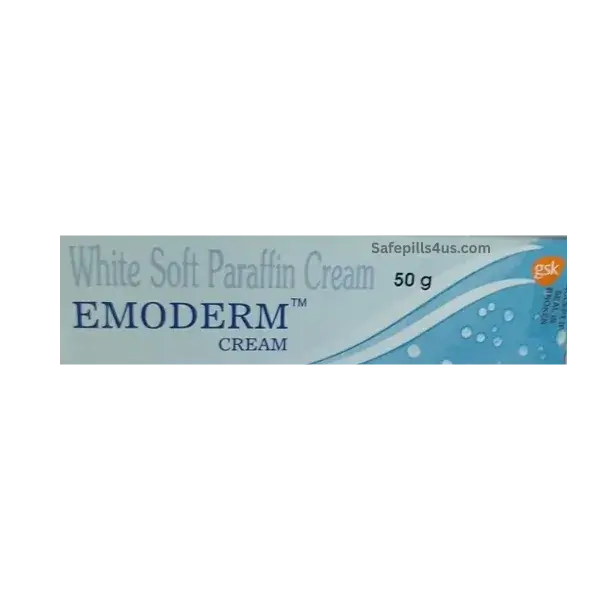
Emoderm Cream is a rich, everyday moisturizer made to comfort very dry, rough, and itchy skin. It’s an emollient cream, which basically means it softens the skin and seals in moisture so your skin stays calm and comfortable for longer. In plain words: it’s that reliable, no‑nonsense cream you reach for when your skin feels tight, flaky, or just cranky.
What Emoderm Cream Is For
- Daily hydration for very dry to extremely dry skin
- Soothing dryness linked with eczema/atopic skin (non‑steroidal support)
- Rough patches on hands, elbows, knees, and feet
- Post‑bath soak and seal care to stop moisture from escaping
- Winter dryness, frequent handwashing dryness, and tight, flaky skin
- Helps reduce itch related to dryness (that scratchy, restless feeling)
It’s not a steroid and not a drug treatment for skin disease. It’s a barrier‑supporting moisturizer. You can use it alone or alongside your dermatologist’s treatment plan.
Why People Like Emoderm Cream
- Thick, comforting texture that actually lasts
- Helps lock in hydration and smooth rough spots
- Works for face and body (just go lighter on the face if you’re oily or acne‑prone)
- Pairs well with prescription creams (use as directed by your clinician)
- Great value for families who need a bigger, everyday moisturizer
How Emoderm Cream Works (simple version)
Dry skin has tiny cracks in the outer layer (the skin barrier). Water escapes. Irritants get in. Skin gets rough, red, and itchy. Emoderm Cream uses:
- Emollients to fill in those tiny gaps so skin feels soft.
- Occlusives to create a thin seal on top, locking moisture in.
- Humectants (in some variants) to draw water into the skin’s surface.
Together, that means less water loss, a calmer barrier, and skin that doesn’t feel tight five minutes after you moisturize. Exactly what you want from a “put it on and forget it” cream.
Ingredients vary by manufacturer and region, but many emollient creams like Emoderm use skin‑loving staples such as paraffins, petrolatum, glycerin, and other barrier‑friendly lipids. Please check your pack for the exact list, especially if you’re sensitive to fragrances, lanolin, or certain alcohols.
Who Can Use It
- Adults, teens, and kids with dry or very dry skin
- People with eczema‑prone or reactive skin who want a non‑steroidal hydrator
- Anyone who washes hands a lot or lives in a dry, cold climate
- Pregnant or breastfeeding individuals can generally use moisturizers, but if you’re extra sensitive, do a quick patch test and check your label
If your baby is under 3 months, ask your pediatrician for advice on any new product. And if you’ve had reactions to emollients/paraffins before, patch test first.
Texture, Scent, and Finish
- Texture: Rich cream that spreads smoothly without feeling greasy if you use the right amount
- Finish: Soft, protective layer that lasts; on the face, use a pea‑size to avoid heaviness
- Scent: Check your local pack. Some versions are fragrance‑free, others may have a very light cosmetic scent. If fragrance is a trigger for you, read the label closely.
Key Benefits (everyday words)
- Deep hydration that lasts for hours
- Softer, smoother skin with less flaking
- Calms the “itch because it’s dry” feeling
- Helps your barrier bounce back after wind, cold, or too much washing
- Plays nice with sensitive skin routines
How To Use Emoderm Cream
Daily routine (body and face):
- After bathing: Pat your skin dry so it’s still slightly damp (not dripping). Smooth a generous layer from neck to toes. This “soak and seal” step keeps the water you just absorbed from escaping.
- On the face: Use a pea‑sized amount and press it in. If you’re oily or acne‑prone, keep it to dry zones (cheeks, around the nose) or use at night.
- Hands and feet: Reapply after every wash. For cracked heels or very dry hands, apply a thicker layer at bedtime and put on cotton socks or gloves.
How much and how often:
- Frequency: 2–3 times daily on very dry areas; once daily may be enough for maintenance.
- : Don’t be shy on the body. This is a barrier cream. On the face, small amounts go a long way.
Layering with treatments:
- With prescription creams (like steroids or calcineurin inhibitors): apply the medicine first, let it absorb, then follow with Emoderm Cream after about 10–20 minutes (or per your doctor’s advice).
- With actives (retinoids, exfoliating acids): use Emoderm Cream to buffer irritation. Many people apply actives on clean, dry skin at night, then Emoderm as a final step.
Patch test tip:
- If your skin is ultra‑reactive, apply a tiny amount on the inner forearm for 24 hours before using broadly.
What To Expect
- Right away: Skin feels softer, less tight. Flakes look flatter and smoother.
- 3–7 days: Dry patches look calmer and less red. Itch from dryness eases up.
- Ongoing: Consistency is everything. Keep applying even when your skin “seems fine” to prevent that dry cycle from coming back.
If your skin gets worse, stings a lot, or shows a rash you didn’t have before, stop and check with a
healthcare professional. Sometimes even gentle products can disagree with very sensitive skin.
Tips For Best Results
- Moisturize within 3 minutes of bathing. That timing matters more than you think.
- Use lukewarm water for showers and handwashing hot water strips oils fast.
- Choose a gentle, fragrance‑free cleanser and avoid harsh scrubs.
- In winter or dry climates, keep a tube by the sink and another in your bag. Reapply before the itch starts.
- If you’re using retinoids or exfoliants, start slow and sandwich with Emoderm to reduce dryness.
Safety, Warnings, and Side Effects
- For external use only. Keep out of eyes and mouth. If it gets in, rinse well.
- Do not apply to open, bleeding, or infected skin unless your doctor says it’s okay.
- Possible side effects (usually mild and uncommon): light stinging on very dry or cracked skin, temporary redness, or a mild breakout if used too heavily on oily zones.
- Allergic reaction is rare but possible. If you notice hives, swelling, or intense burning, stop and seek medical advice.
What’s Inside (general idea)
This type of cream usually includes:
- Emollients and occlusives: think paraffins, petrolatum, and similar barrier‑supporting lipids that reduce water loss
- Humectants: often glycerin or similar hydrators to pull water into the outer skin
- Stabilizers and thickeners: keep texture smooth and spreadable
Important: The exact ingredient list can vary by region and batch. Please check your pack if you’re avoiding fragrance, lanolin, essential oils, or specific alcohols.
Storage and Handling
- Store at room temperature, away from heat and direct sunlight
- Keep the cap tightly closed
- Keep out of reach of children
- Use within the recommended period after opening (check your pack symbol)
Who Should Not Use Emoderm Cream
- Anyone with a known allergy to any listed ingredient on the pack
- People advised by their clinician to avoid paraffin‑based emollients or a specific component in the formula
If you’re not sure, do a patch test or show the ingredient list to your clinician.
Common Use Cases (so it’s easier to picture)
- After-shower body moisturizer for tight, flaky skin
- Night cream over retinoids to calm dryness
- Hand cream for frequent washers, healthcare workers, or new parents
- Heel and elbow softener under socks before bed
- Non‑steroidal support step for eczema‑prone skin between flares
Emoderm Cream vs. Lotions and Ointments
- Cream: Balanced feel—rich but still spreads easily. Great for day and night.
- Lotion: Lighter and faster‑absorbing. Good for normal to mildly dry skin or daytime re‑application.
- Ointment: Thickest, most occlusive (think petrolatum‑heavy). Perfect for very rough patches, nighttime use, or harsh weather.
Pick the texture that matches your dryness level and the time of day.
Related Products
- Heavy emollient ointment (white soft paraffin + light liquid paraffin): For severely dry or cracked skin, especially at night.
- Urea 10% cream: Helps smooth thick, rough areas like heels and elbows while moisturizing.
- Ceramide + cholesterol + fatty acid barrier cream: Long‑term barrier repair for eczema‑prone skin.
- Colloidal oatmeal 1% soothing cream: Calms itch and irritation from dry, sensitive skin.
- Fragrance‑free gentle cleanser: Protects the skin barrier and prevents that tight post‑wash feel.
- Broad‑spectrum sunscreen for sensitive skin (SPF 30+): Daily protection to stop dryness and dark marks from getting worse in the sun.
Ask your healthcare professional which combo fits your skin and climate.
Frequently Asked Questions (FAQ)
Q: What is Emoderm Cream used for?
A: It’s an emollient moisturizer for dry to very dry skin. It softens rough patches, eases itch from dryness, and supports your skin barrier. You can use it on the face and body.
Q: Is Emoderm Cream a steroid?
A: No. It’s a non‑steroidal moisturizer. It won’t thin your skin. If you’re using prescription creams, Emoderm can usually be layered on top as the hydrating step.
Q: Can I use it on eczema?
A: Yes, as a supportive moisturizer. It helps with dryness and barrier care between or alongside prescribed treatments. For active, inflamed flare‑ups, follow your doctor’s plan.
Q: Will it clog pores?
A: It’s rich, so on acne‑prone areas it can feel heavy if you use too much. Use a pea‑sized amount on the face, focus on dry zones, and patch test if you’re breakout‑prone.
Q: How often should I apply it?
A: Typically 2–3 times daily on very dry areas, and at least once daily for maintenance. Always after bathing is key.
Q: Can I use Emoderm Cream under makeup?
A: Yes. Let it absorb for a minute or two, then apply makeup. If your makeup pills, use a smaller amount or wait a bit longer.
Q: Is it safe during pregnancy and breastfeeding?
A: Moisturizers like this are generally considered safe. Check your pack for any specific cautions and patch test if you’re sensitive. If applying on the chest while breastfeeding, wipe off before the next feed. 



Reviews
There are no reviews yet.