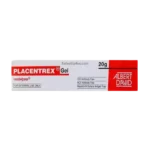
Placentrex Gel — Placental Extract Gel for Wound Healing & Skin Repair
Placentrex Gel is a topical wound‑care product containing
human placental extract. It’s commonly used by dermatologists and wound‑care specialists to help support tissue repair. the gel supplies biologically active substances that may encourage the skin to heal faster, reduce inflammation, and speed up the formation of healthy new tissue. Use it correctly, and it can be a handy part of a wound‑care plan but always follow a medical professional’s advice.
What is Placentrex Gel?
Placentrex Gel is a topical formulation made from processed human placental extract combined with a gel base and stabilizers. The exact formulation may vary by manufacturer, but the idea is the same: deliver placental‑derived bioactive components directly to the injured area. It’s available as a clear or slightly opaque gel that’s easy to spread and is meant for external use only.
- Form: Topical gel
- Main component: Human placental extract (bioactive peptides, amino acids, enzymes and other nutrients)
- Use: Support healing of wounds, ulcers, burns and skin injuries (as directed by a clinician)
How Placentrex Gel works (in plain words)
The exact science can sound technical, but here’s the short version. Placental extract contains small proteins, amino acids and growth‑type factors. When applied to a wound, these substances may:
- Help stimulate the growth of new cells and blood vessels (so the wound gets nutrients).
- Encourage the formation of healthy granulation tissue.
- Reduce local inflammation and help control the environment around the wound so healing proceeds smoothly.
So, it doesn’t “magically” close a wound on its own you still need cleaning, infection control, and proper wound dressing but Placentrex Gel can support the biological process of repair.
Common uses of Placentrex Gel
Placentrex Gel is used in a range of skin and wound conditions. Typical uses include:
- Chronic, non‑healing wounds and ulcers (e.g., diabetic foot ulcers, venous leg ulcers)
- Pressure sores (bedsores)
- Minor burns and scalds
- Post‑surgical wound care (as part of a clinician’s plan)
- Traumatic cuts, abrasions and skin breakdowns
- Atrophic or hypopigmented scars (sometimes used to support remodeling)
Doctors choose it as an adjunct meaning it’s one tool in a broader plan that may include cleaning, antibiotics, dressings, offloading (for pressure wounds), and blood sugar control when relevant.
How to use Placentrex Gel
Follow your healthcare provider’s instructions first. If you’re given general guidance, here’s how it’s usually used:
- Clean the wound gently with normal saline or as advised.
- Pat dry with sterile gauze.
- Apply a thin layer of Placentrex Gel directly over the wound or the affected skin.
- Cover with a sterile dressing if required.
- Repeat as directed — many clinicians recommend once or twice daily, but the exact frequency depends on the wound and clinical judgment.
Important practical notes:
- For open or deep wounds, always use under medical supervision.
- Avoid getting the gel into the eyes, mouth or other mucous membranes.
- Do not apply over known malignant lesions or suspicious growths.
- If you’re using other topical medicines (antibiotic creams, antiseptics), check with your clinician about combining treatments.
Benefits people look for
- Supports faster formation of healthy granulation tissue.
- May reduce healing time for some chronic wounds.
- Easy to apply and generally well tolerated.
- Can be used alongside standard wound dressings and care plans.
- Often chosen when wounds are slow to respond to basic care alone.
Remember: results vary. Some wounds respond quickly, others need longer care and multiple approaches.
Side effects & safety
Placentrex Gel is generally well tolerated, but like any biologically derived product, local reactions can happen.
Possible side effects (mostly local):
- Mild redness or stinging at the application site
- Local irritation or itching
- Rarely, allergic contact dermatitis (if you’re sensitive to any component)
If you notice severe pain, increasing redness, swelling, pus, fever, or any signs of spreading infection — stop use and seek medical help. Those signs may point to infection or another complication that needs prompt treatment.
Precautions & contraindications
- Allergy: Do not use if you have a known allergy to placental products or proteins.
- Malignancy: Avoid use over known cancerous lesions unless a specialist advises otherwise. Growth‑supporting substances could theoretically affect tumor behavior, so doctors usually avoid this.
- Infection: Active infection should be managed by a clinician; some wounds require specific antimicrobial therapy first.
- Pregnancy & breastfeeding: Topical use poses limited systemic exposure, but check with your healthcare provider if you’re pregnant or breastfeeding.
- Children: Use in children only under pediatric or specialist advice.
- Product source: Because it’s derived from human tissue, buy from reputable manufacturers who follow strict screening and sterilization procedures.
Storage & packaging
- Store the gel in its original tube or container.
- Keep in a cool, dry place away from direct sunlight.
- Check the label for storage temperature and expiry date.
- Keep out of reach of children.
- Available pack sizes vary (common tubes are 15 g, 20 g or 30 g) — confirm what you’re buying.
Prescription & availability
Placentrex Gel may be prescription only in some countries and available over the counter in others. Regulations differ, so consult your local pharmacist or healthcare provider to know how it’s supplied in your area. Because it’s human‑derived, many clinicians prefer to use it under supervision.
Frequently Asked Questions (FAQ)
Q: Is Placentrex Gel safe to use on diabetic foot ulcers?
A: It’s sometimes used as part of a wound‑care plan for diabetic foot ulcers, but only under medical supervision. Diabetic ulcers need comprehensive care — blood sugar control, offloading, infection control — so Placentrex Gel would be one part of the approach.
Q: How quickly will I see results?
A: It depends on the wound. Some people notice better granulation or less redness within a week or two. Chronic wounds may take longer and need combined treatments. If you don’t see improvement in a reasonable time, talk to your clinician.
Q: Can I use it on cuts and minor burns at home?
A: For minor, clean wounds many people use it at home following basic first aid. For deeper burns, infected wounds, or large surgical wounds, get medical advice first.
Q: Will it cause scars to disappear?
A: Placentrex Gel can support skin repair and may improve scar quality in some cases. It’s not a guaranteed scar remover. For established scars, other treatments (laser, silicone sheets, steroid injections) might be recommended.
Q: Can I combine Placentrex Gel with antibiotics or antiseptics?
A: Sometimes yes, but check with your doctor or pharmacist. Some topical agents can interact or reduce effectiveness of others. Your clinician will give the safest plan.
Related products
- Silver sulfadiazine cream — topical antimicrobial commonly used for burns.
- Honey‑based wound dressings (medical grade, e.g., Manuka) — natural antimicrobial and wound‑healing support.
- Hydrocolloid or hydrogel dressings — keep a moist wound environment to support healing.
- Becaplermin gel (growth factor) — another growth‑factor based topical used in some diabetic ulcers (prescription only).
- Povidone‑iodine ointment/solutions — antiseptic for wound cleaning (use as advised).
- Silicone gel sheets/creams — for scar management and smoothing after healing.






Reviews
There are no reviews yet.