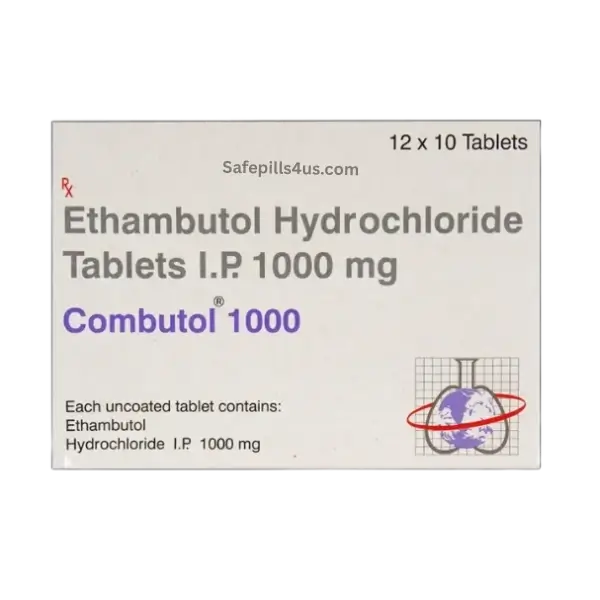
Combutol 1000 mg (Ethambutol) – Product Description
Combutol 1000 mg is a high‑strength ethambutol tablet used as part of a full tuberculosis (TB) treatment plan. In plain words, this medicine helps stop TB bacteria from building their protective cell wall, so the rest of your TB regimen can clear the infection more effectively. It’s not used alone. It’s one piece of a combo, usually with rifampicin, isoniazid, and pyrazinamide in the intensive phase. If your doctor put Combutol 1000 mg on your prescription, it’s because you need a reliable, weight‑based dose that fits your TB program.
What Combutol 1000 mg Is Used For
Combutol 1000 mg (ethambutol) is used for:
- Active TB disease (lungs or other organs), as part of a multi‑drug regimen
- Suspected isoniazid resistance while waiting on sensitivity results (per local guidelines)
- Non‑tuberculous mycobacterial (NTM) infections, sometimes combined with macrolides and rifamycins (specialist decision)
Important point: Ethambutol alone cannot treat TB. Using it solo risks resistance and treatment failure. It belongs in a combo, taken exactly as prescribed for the full course.
How Ethambutol Works (in plain words)
TB bacteria build a tough cell wall that helps them survive. Ethambutol blocks enzymes (arabinosyl transferases) that help assemble parts of that wall (arabinogalactan and lipoarabinomannan). When the wall can’t form right, the bacteria get weak and easier to kill by the other TB drugs and your immune system. So, Combutol doesn’t usually “kill fast” by itself—it stops growth and supports the whole team.
Why Combutol 1000 mg Might Be Chosen
- Strong, simple strength for higher body‑weight dosing
- Fits common adult dosing ranges (mg/kg) without lots of tablets
- Works well in the intensive phase with rifampicin, isoniazid, and pyrazinamide
- Helps protect the regimen against resistance while labs confirm drug sensitivities
You may not “feel” ethambutol working. TB medicines do their best work quietly in the background. Stick with your full plan—symptoms usually improve gradually over weeks.
Who It’s For
- Adults diagnosed with active TB (pulmonary or extrapulmonary) per a doctor’s plan
- Some patients with NTM infections, as decided by a TB/ID specialist
- People who can attend regular check‑ups, including vision checks
Caution or special guidance:
- Children: May be used when necessary in pediatric TB, but frequent and reliable vision checks are essential. Specialist supervision only.
- Pregnancy and breastfeeding: Often considered when benefits outweigh risks. Your TB specialist will guide you.
- Kidney impairment: Dose adjustments are common because ethambutol is cleared by the kidneys.
Benefits You May Notice
- Part of a regimen that controls TB symptoms: less cough, better energy, weight gain over time
- Supports bacterial clearance alongside other first‑line drugs
- Helps reduce the risk of drug resistance in your regimen
TB gets better gradually. Even when you feel okay, keep taking every dose. Stopping early can bring the illness back stronger.
What’s Inside
- Active: Ethambutol hydrochloride 1000 mg per tablet
- Tablet: Film‑coated to help swallowing
- Excipients: Standard tablet bases and coatings (vary by manufacturer; check the pack if you have allergies)
How to Take Combutol 1000 mg
Always follow the exact dose and schedule given by your TB program or clinician. Doses are weight‑based and may change with lab results or
side effects.
General guidance (for awareness only—your prescription is the rule):
- Typical daily adult dose: about 15 mg/kg once daily in the intensive phase; some regimens go up to 20–25 mg/kg daily, depending on the plan.
- Intermittent dosing (for DOT programs): higher mg/kg two or three times a week may be used under supervision.
Practical tips:
- Take at the same time each day to stay consistent.
- With or without food: Both are okay. If your stomach feels upset, take with a snack.
- Avoid aluminum‑containing antacids around your dose—they can reduce absorption. If needed, separate by at least 4 hours.
- Do not split or crush unless your doctor specifically tells you to. If the tablet is too large, ask about alternate strengths.
Missed a dose?
- Take it when you remember unless it’s close to the next scheduled dose. Don’t double up.
- If you miss multiple doses, call your TB nurse or doctor right away. Adherence is everything in TB care.
Overdose or extra doses?
- Seek medical advice promptly, especially if you notice visual changes, severe dizziness, or confusion.
Safety Information and Warnings
Ethambutol is generally well tolerated when dosed correctly, but vision safety is a big deal. Keep these in mind:
Vision and eyes:
- Ethambutol can, rarely, cause optic neuritis (inflammation of the optic nerve). This may show up as blurred vision, trouble seeing fine details, problems with red‑green color perception, or a “dimmed” vision feeling.
- You’ll likely have a baseline eye exam (visual acuity and color vision) before or soon after starting, then periodic checks—especially at higher doses, longer courses, or if you have kidney impairment.
- Report any vision changes immediately. Don’t wait. Your doctor may stop the drug and switch your regimen.
Kidneys:
- Ethambutol is cleared via the kidneys. If your kidney function is reduced, your dose or frequency will be adjusted. This helps prevent side effects, including vision issues.
Other cautions:
- Gout or high uric acid: Ethambutol can raise uric acid levels. If you have gout, let your doctor know—monitoring or preventive steps may be needed.
- Diabetes or eye disease: Extra caution if you already have eye conditions (diabetic retinopathy, glaucoma). Keep all scheduled eye checks.
- Liver: Ethambutol isn’t the most liver‑stressing drug in TB regimens, but you may still get periodic blood tests—especially since other TB meds can affect the liver.
- Neurologic symptoms: Rarely, confusion or dizziness can occur—more likely if dose isn’t adjusted for kidney function.
Pregnancy and breastfeeding:
- TB in pregnancy must be treated. Ethambutol is commonly used when benefits outweigh risks. Discuss fully with your specialist. Small amounts pass into breast milk; your clinician will guide safe use and infant monitoring as needed.
Driving or using machines:
- If you notice blurred vision, dizziness, or any visual disturbance, avoid driving and seek advice quickly.
Possible Side Effects
Most people do fine. If something feels off, talk to your doctor. If it feels urgent, seek help fast.
Common:
- Stomach upset, nausea, loss of appetite
- Headache, dizziness
- Joint pain or raised uric acid (gout flares in susceptible people)
Less common but important:
- Vision changes: blurred vision, color vision issues (especially red‑green), reduced visual acuity
- Skin rash or itching
- Numbness or tingling (paresthesia)
Rare but serious get medical help immediately:
- Severe vision loss or sudden visual changes
- Severe allergic reaction: hives, swelling of face/lips, breathing trouble
- Confusion, severe dizziness, or fainting
Drug Interactions
Always share your full medication list with your TB team prescriptions, OTC meds, vitamins, and herbal products.
Watch for:
- Aluminum‑containing antacids: lower ethambutol absorption. Separate by 4 hours if you must use them.
- Other TB drugs: You’ll be on a standard combination; your doctors manage the balance and monitor your blood work and vision.
- Medicines that raise uric acid (or if you already have gout): monitoring may be stepped up.
- Any drug that affects kidney function: may need closer dosing oversight.
When in doubt, ask before adding or stopping anything new.
Storage and Pack Info
- Store in a cool, dry place below 25°C, away from direct sunlight and moisture
- Keep tablets in the original blister or bottle until use
- Keep out of reach of children and pets
- Do not use after the expiry date printed on the pack
- Pack sizes and tablet color/markings may vary by manufacturer and region
Who Should Not Use Combutol 1000 mg
- Anyone allergic to ethambutol or any tablet component
- People with known optic neuritis unless a TB specialist decides benefits clearly outweigh risks
- Individuals with severe kidney impairment unless the dose is properly adjusted and monitored
- Children who cannot reliably report vision changes, unless a pediatric TB specialist supervises treatment and monitoring closely
Practical Tips for Real‑World Use
- Don’t skip doses. TB bugs love gaps resistance can creep in. If you miss doses, tell your care team; they’ll help you get back on track.
- Keep your eye checks. A quick vision test and color check can catch issues early.
- Separate from antacids. If heartburn is a thing, look for non‑aluminum options or time them several hours apart.
- Hydrate and eat balanced meals. It helps with appetite dips and general recovery.
- Know your regimen. Write down all your TB meds, dose times, and phone numbers for your TB nurse/clinic. A simple phone alarm can save headaches.
- Cough etiquette matters. Until your care team confirms you’re non‑infectious, wear a mask around others, cover coughs, and get fresh air flowing at home.
Price and Availability
Combutol 1000 mg is a prescription‑only anti‑TB medicine. Price and pack sizes depend on brand, region, and program supply. Many countries provide TB medicines at low or no cost through national programs. Your clinic or pharmacy can confirm what’s currently available and how many tablets you’ll need for your phase of treatment.
Related Products You May Consider (as advised by your TB specialist)
- Combutol 200 mg, 400 mg, 600 mg (lower strengths for precise weight‑based dosing)
- Ethambutol tablets from other brands (same active ingredient, different presentations)
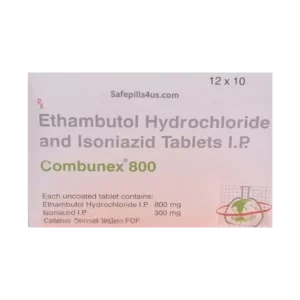
- Fixed‑dose combinations (FDCs) for TB: rifampicin + isoniazid + pyrazinamide ± ethambutol, as per national TB guidelines
- First‑line TB partners: rifampicin, isoniazid, pyrazinamide (usually taken with ethambutol in the intensive phase)
- Vitamin B6 (pyridoxine) if you’re on isoniazid, to help prevent nerve issues—only as your clinician prescribes
Always use exactly what your TB team recommends. Don’t swap or drop medicines on your own.
Frequently Asked Questions
Q1. What is Combutol 1000 mg used for?
A: It’s ethambutol, used to treat active TB as part of a multi‑drug regimen. It helps stop TB bacteria from growing so other medicines can clear the infection.
Q2. Can I take Combutol by itself?
A: No. Ethambutol should never be used alone for TB. It must be combined with other anti‑TB drugs to prevent resistance and cure the disease.
Q3. How long will I need to take it?
A: Depends on your TB type and response. Many standard plans last 6 months or longer. Your doctor will set the exact course and may adjust after lab results.
Q4. Do I have to worry about my eyes?
A: Vision problems are uncommon but important. You’ll likely have baseline and periodic eye checks. If you notice blurred vision, trouble with red‑green colors, or reduced visual sharpness, contact your doctor immediately.
Q5. Can I take antacids with Combutol?
A: Avoid aluminum‑containing antacids around your dose. They can reduce absorption. If needed, separate by at least 4 hours.
Q6. Is Combutol safe in pregnancy?
A: TB needs treatment in pregnancy. Ethambutol is commonly used when benefits outweigh risks. Your specialist will guide you. Always discuss if you’re pregnant or planning pregnancy.





Reviews
There are no reviews yet.