

Premature Ejaculation Compilation: Medical Overview, ICD-10 & Management

Ejaculation is the release of semen during orgasm. Premature Ejaculation Compilation means it happens sooner than you want, often with little warning. It can feel hard to delay. This Premature Ejaculation Compilation gives you a clear path forward.
You will learn what PE is, why it happens, the most reliable home remedies, proven medical options, and step-by-step practices that improve control. You will also see how progress here strengthens mental health, emotional well-being, friendship benefits, and women’s health and comfort.
Definition of Premature Ejaculation Compilation
A Premature Ejaculation Compilation is a practical, all in one guide that explains the condition, how clinicians think about it, and what works in daily life.
Clinical criteria at a glance
- Ejaculation happens sooner than desired
- There is low sense of control
- The pattern causes personal or relationship distress
Timing helps but is not everything. Lifelong PE often means ejaculation about one minute or less after penetration. Acquired PE usually develops after a period of typical timing and is often under three minutes. PE can also occur with oral, manual, or anal sex. The ICD-10 code used in records is F52.4.
Why this matters
Clear definitions shorten the road to the right plan. When PE is addressed with simple skills and, when needed, medical care, couples report better connection and improved emotional well-being. This leads to more satisfying sex, supporting both partners, including women’s health.
Signs of a Premature Ejaculation Compilation
Common signs
- Ejaculation much sooner than you want, often within one to three minutes after starting penetration or strong stimulation
- Trouble delaying ejaculation even when you try to slow down
- Anxiety, frustration, or avoiding intimacy
- Partner tension or a sense of pressure around sex
When to see a clinician
- New onset after years of typical timing
- Pelvic or penile pain, urinary symptoms, or signs of infection
- Erectile difficulties at the same time as PE
- Thyroid symptoms or mood changes such as persistent low mood or high anxiety
Types of Premature Ejaculation Compilation
Lifelong and acquired
- Lifelong begins with early sexual experiences and is usually consistent across partners
- Acquired develops later and can be linked to stress, erectile issues, prostatitis, or thyroid disorders
Generalized and situational
- Generalized shows up in most sexual contexts
- Situational appears only with certain partners, positions, or settings such as feeling rushed
Premature-like pattern
Feeling too fast even when timing is within a typical range can be frustrating. It is often driven by anxiety or unrealistic expectations. Education and practice usually help.
Partners and women’s health
If sex feels rushed, partners may experience less arousal and comfort. Treating PE often raises satisfaction, reduces discomfort, and increases the chance of orgasm for many women.
Benefits for Mental and Emotional Health
- Mental health improves as control returns and performance anxiety fades
- Emotional well-being rises with less shame and more ease
- Friendship benefits come from trusted friends or peer groups who normalize the experience and keep you accountable
- Women’s health and relationship quality often improve when pressure drops and there is more time for arousal and comfort
Tips for Maintaining Healthy Premature Ejaculation Compilation
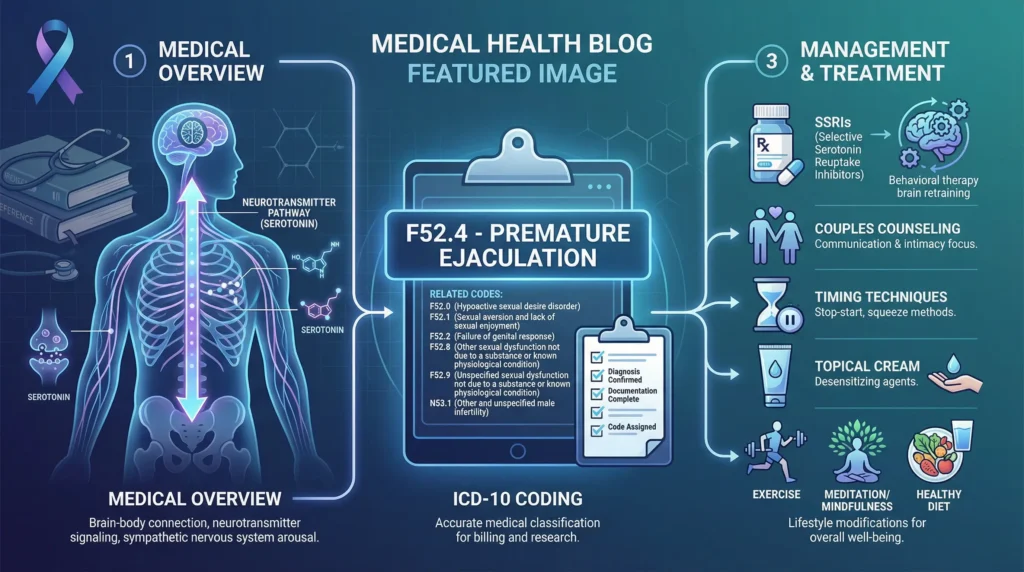
Practice two or three strategies consistently for six to eight weeks and keep what works.
Quick wins this week
- Use a thicker or desensitizing condom to gently reduce sensation
- Add more lubricant to lower friction and slow arousal
- Choose positions that allow a slower rhythm such as side lying or partner on top
- Plan intimacy when you are rested and unhurried
- Limit alcohol and recreational drugs since they can worsen control
Training techniques
Stop start:
- Stimulate until close to climax
- Stop and let arousal fall
- Resume slowly and repeat several cycles
Pause squeeze - When you are near climax, pause
- Gently squeeze where the head meets the shaft for a few seconds
- Wait until urgency drops, then resume at a calmer pace
Practice solo three or four times per week, then add your partner.
Pelvic Floor and Breathing
- Kegels for short squeezes and longer holds with relaxed breathing
- Three sets daily on most days, with rest days to avoid overtraining
- Slow nasal breathing at four to six breaths per minute with longer exhales to calm the body
Topical Products used right
- Wipes, creams, gels, or sprays with benzocaine or lidocaine can delay climax
- Apply a thin layer to the glans 10 to 15 minutes before sex
- Wash before penetration to reduce transfer and consider using a condom
- Patch test first to check for irritation
Supplements truthfully explained
- Zinc, magnesium, selenium, copper, manganese, and calcium are important for health, but strong proof that they fix PE is limited
- Correct real deficiencies with guidance from a clinician
- A balanced diet supports sexual health better than high dose supplements
Medications and therapy
- SSRIs such as sertraline, paroxetine, or fluoxetine can delay ejaculation when taken daily or on demand
- Dapoxetine is a short acting SSRI approved in some countries for on demand use
- PDE5 inhibitors help when PE and erectile dysfunction occur together
- Sex therapy and cognitive behavioral therapy reduce anxiety and perfectionism and improve communication
Always speak with a qualified clinician before starting or changing medication.
Lifestyle that supports control
- Sleep seven to nine hours and exercise regularly
- Adjust porn use if it trains very fast arousal patterns
- Use short daily stress resets such as a walk or breathing practice
Real life scenarios
- New stress pattern. After a job change, Varun added stop start, a thicker condom, and slow breathing. Within six weeks he doubled his comfortable timing
- Lifelong PE. Adil combined pelvic floor training, a lidocaine spray, and sensate focus. Confidence and partner satisfaction rose together
- PE with ED. Luis treated mild ED with a PDE5 inhibitor and used pause squeeze. Control improved as anxiety fell
Premature Ejaculation Compilation Questions & Answers
No. Most people improve with consistent practice, behavioral techniques, and when appropriate, medical or topical treatments. Progress is often steady over weeks, not overnight.
Premature ejaculation and erectile dysfunction can influence each other. Anxiety from PE may worsen erections, and ED can increase pressure to climax quickly. Treating one condition often helps improve the other.
Any unprotected ejaculation in the vagina can lead to pregnancy. Premature Ejaculation Compilation changes timing but does not reduce fertility risk. Use reliable contraception if pregnancy is not desired.
Short term options include using a desensitizing condom, applying a thin layer of topical anesthetic as directed, and practicing the pause squeeze method. Slow breathing and additional lubrication may also help.
Natural approaches include the stop start or pause squeeze technique, pelvic floor exercises, slower sexual positions, using more lubrication, and managing stress. Many people see improvement with consistent practice.
Conclusion
Premature ejaculation is common and highly treatable. This Premature Ejaculation Compilation gives you clear definitions, the most useful home remedies, and the medical and therapy options that move the needle. As timing improves, so do mental health and emotional well-being. Supportive friendships keep you on track, and many partners report better comfort and satisfaction, which supports women’s health and relationship quality. Start with two or three steps today, track what helps, and involve a clinician or sex therapist if progress slows. You deserve intimacy that feels confident, connected, and satisfying.


