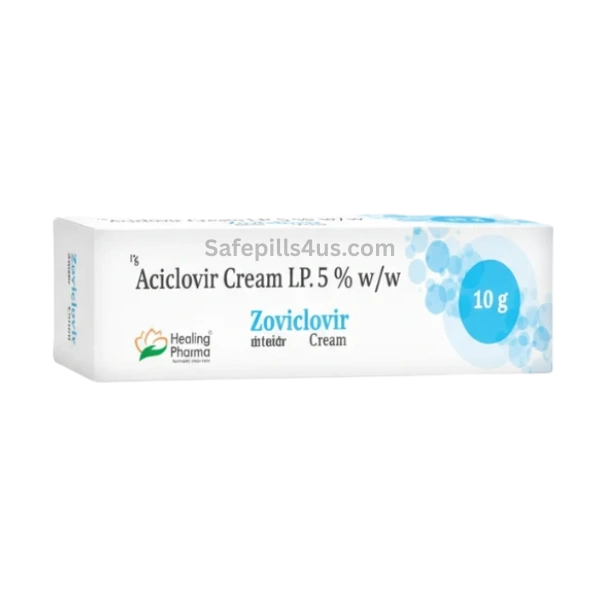
What It Treats Acyclovir 5% Cream 10g
- Cold sores on the lips and surrounding skin (herpes labialis).
- Early symptoms like tingling, itching, burning, tightness, or redness that usually come before a blister.
- It’s not for your eyes, inside your mouth or nose, or the genital area unless a clinician specifically tells you to. For eye infections, a different product is used. For genital herpes, oral antivirals are usually preferred.
How It Works
Acyclovir targets the virus’s copying process. The herpes virus needs to make more of itself to keep the sore going. This cream gets in the way of that, so the virus struggles to multiply. Result: the outbreak may be milder, heal quicker, and feel less intense. Easy as that.
Who Can Use It
- Adults and adolescents (often 12+; check the pack for your region’s guidance).
- People who get occasional cold sores and want something straight‑forward to dab on.
- If you’re immunocompromised, pregnant, or treating a child under the listed age, speak to a healthcare professional first.
When To Start
ASAP. The earlier, the better. If you catch the tingle phase, you’re doing it right. If a blister is already there, it can still help—but starting early usually gives you a better shot at a quick, neat recovery.
How To Apply (step-by-step)
- Wash your hands and gently clean/dry the affected skin.
- Squeeze a small amount and apply a thin layer over the sore and a tiny margin of nearby skin. Don’t rub hard—dab and cover.
- Wash your hands again. Seriously. This reduces the chance of spreading the virus.
- Don’t share towels, lip balm, or the tube. Cold sores are contagious.
Tip: Use a cotton swab if you prefer, especially if you have multiple spots.
Dosing Schedule (typical directions)
- Apply five times daily, roughly every 4 hours while awake.
- Duration is usually 4 to 5 days, or as directed by your clinician.
- If the sore hasn’t improved after 10 days, check in with a healthcare professional.
Note: Directions can vary slightly by brand/region, so always follow your pack insert or prescriber’s advice.
What To Avoid While Using
- Don’t apply inside the mouth, inside the nose, or in/near the eyes.
- Don’t cover with thick, airtight dressings. Let the area breathe.
- Don’t mix with other creams on the same spot unless your pharmacist okays it (you can dilute or irritate the skin).
- Avoid picking at scabs or blisters. It spreads germs and slows healing.
- Skip kissing or close contact when sores are active. Cold sores are contagious, even when they’re just tingling.
What You Might Feel (side effects)
Most people do fine. If anything shows up, it’s usually mild and brief:
- Mild stinging, burning, or dryness where you applied it
- Itchy skin, slight redness
- Flaking or tightness as the sore crusts and heals
Stop and get medical advice if you notice:
- A strong rash, swelling, or hives (possible allergy)
- Worsening irritation that’s not calming down
- Eye involvement, spreading sores, high fever, or signs of infection (oozing, severe pain, warmth)
Important Warnings & Precautions
- Allergy alert: Don’t use if you’ve had an allergic reaction to acyclovir, valacyclovir, or any ingredient in the cream.
- Eyes: Keep out. If it gets in your eye, rinse with plenty of water and seek advice if irritation continues.
- Pregnancy/breastfeeding: Usually considered when benefits outweigh risks; ask your healthcare professional for tailored advice.
- Frequent outbreaks (say, more than 6 per year) or very severe episodes: you may need an oral antiviral worth a conversation with your doctor.
- Immunocompromised or severe symptoms: Get medical guidance early rather than later.
Interactions (quick heads-up)
Topical acyclovir doesn’t mingle much with other medicines since it barely gets into the bloodstream. But locally, it can clash with:
- Harsh exfoliants or irritant products at the same spot (can worsen redness or dryness)
- Thick barrier ointments layered right before/after (may dilute the antiviral effect)
If you use other skincare or medicated products on the same area, space them out and ask your pharmacist what order makes sense.
Practical Tips for Better Results
- Start at the tingle. Keep the tube handy in your bag or drawer so you don’t miss the timing.
- Sun can trigger cold sores. Use a lip balm with SPF when you’re out and about.
- Stress and fatigue are triggers too—drink water, sleep decently, and keep lips moisturized.
- Don’t share. Not the tube, not towels, not utensils during an active sore.
- If you get cold sores often, ask about prevention strategies, including oral antivirals or trigger management.
Storage & Handling
- Store at room temperature, away from heat and direct sunlight.
- Keep the cap tightly closed.
- Do not use if the seal is broken or after the expiry date.
- Keep out of reach of children and pets.
Who Should Talk To A Doctor First
- People with very frequent or severe cold sores
- Anyone with sores near or in the eyes
- Immunocompromised individuals (including certain medications that suppress immunity)
- Children under the minimum age listed on your regional pack
- Pregnant or breastfeeding individuals who want personalized guidance
Frequently Asked Questions
Q1: What is Acyclovir 5% Cream used for?
A: Treating cold sores (herpes labialis) on the lips and face. It helps slow the virus and can shorten the course when used early.
Q2: How often should I apply it?
A: Commonly five times a day, about every 4 hours while you’re awake, for 4–5 days. Follow your product’s insert or your clinician’s directions.
Q3: Do I need to keep using it after the sore crusts?
A: Yes, usually keep going for the full recommended time unless your clinician says otherwise. That helps finish the job.
Q4: Can I use it inside my mouth or on genital sores?
A: No, not unless your doctor specifically tells you to. For oral mucosa or genital herpes, oral antivirals are usually more effective.
Q5: Will it stop cold sores from coming back?
A: This cream treats an outbreak; it doesn’t “cure” the virus. If you get frequent episodes, ask your doctor about preventive options.
Q6: Is it safe during pregnancy or breastfeeding?
A: Often considered when needed, but you should get individualized advice from your healthcare professional.
Q7: Can I wear makeup or lipstick over it?
A: Let the cream absorb first. If you use cosmetics, apply gently and avoid sharing products. Consider a clean applicator to reduce contamination.
Q8: What if I forget to apply a dose?
A: Put it on as soon as you remember, then continue your schedule. Don’t over-apply to “make up” for a missed dose.
Q9: How fast will I see results?
A: Some people notice relief within a day. Visible healing varies—starting early (tingle stage) usually gives the best outcome.
Q10: Can kids use it?
A: Check the pack’s age guidance for your region and talk to a pediatrician for dosing and safety if you’re unsure.






Reviews
There are no reviews yet.