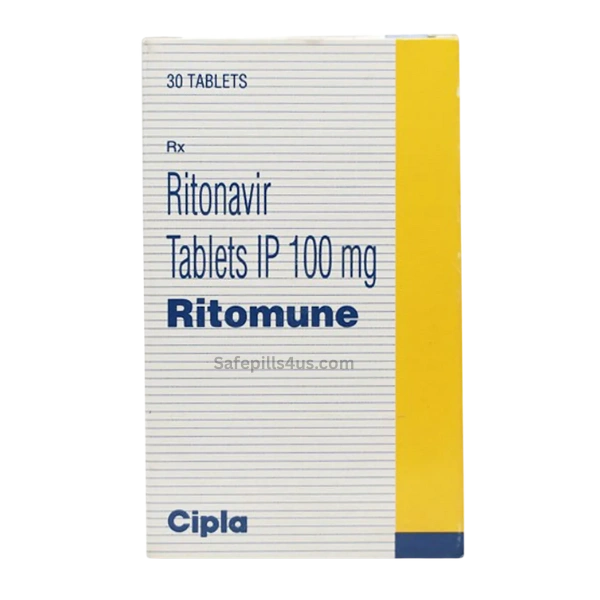
Ritomune 100 mg is a ritonavir tablet used as a pharmacokinetic booster in HIV treatment. In plain words, it helps other HIV protease inhibitors stay in your system longer and at stronger levels, so they work better. It’s not meant to be used alone for HIV. It’s part of a combo plan your doctor builds for you. You’ll usually see it paired with medicines like darunavir or atazanavir, and sometimes in other specialist‑guided regimens.
It’s prescription‑only. Take it exactly the way your clinician tells you. Don’t tweak the dose on your own.
What makes Ritomune useful? Ritonavir is a protease inhibitor, yes, but it’s mostly used these days as a “booster.” It blocks certain liver enzymes (mainly CYP3A) that would otherwise clear other HIV drugs too quickly. So, your main medicine sticks around, and your viral load has a better chance of dropping to undetectable.
Fast facts you actually care about
- Name and strength: Ritomune (Ritonavir) 100 mg tablet
- What it’s for: Boosting other HIV protease inhibitors (darunavir, atazanavir, tipranavir, and others) as part of combination antiretroviral therapy
- How it works: Slows enzyme pathways that break down partner meds, raising and stabilizing their levels
- When to take: Usually once or twice daily with food your exact schedule depends on your paired drug
- Biggest watch‑out: Drug interactions. Lots of them. Always show your med list to your doctor and pharmacist
- Not used alone: Ritonavir monotherapy is not recommended for treating HIV
What Ritomune 100 mg does
Think of your main HIV protease inhibitor as the driver. Ritomune is the co‑pilot who handles the tricky part keeping fuel (drug levels) steady. By blocking CYP3A and P‑gp, ritonavir slows how fast your body clears certain antivirals. The result: more consistent levels of the driver drug, stronger viral suppression, and an easier time hitting undetectable.
Does Ritomune fight HIV directly? Technically, ritonavir is an antiretroviral. But at the low 100 mg dose, the job is mostly boosting. The heavy lifting against the virus is done by your partner meds plus the rest of your regimen (NRTI backbone, etc.).
Who it’s for
Your clinician may add Ritomune 100 mg if you:
- Are taking a protease inhibitor that requires boosting (common ones: darunavir or atazanavir)
- Are switching regimens and need more reliable drug exposure due to resistance, food issues, or past adherence struggles
- Need a tailored HIV plan during pregnancy or in special clinical situations (specialist guided)
Why the 100 mg strength matters
- It’s the standard booster size easy to pair with common protease inhibitors
- Flexible: can be used once daily or twice daily depending on the partner drug
- Tolerability: lower dose than old‑school full‑dose ritonavir (which most people don’t use anymore due to side effects)
How to take Ritomune 100 mg
- With food Take Ritomune with food. It helps with absorption and reduces stomach upset.
- Same times daily Set a routine alarms help. Consistency keeps your levels steady.
- Swallow whole with water. Don’t crush unless your clinician says it’s okay.
Typical boosting schedules (for general awareness—your doctor’s plan wins):
- Darunavir + ritonavir: Often 800 mg darunavir + 100 mg ritonavir once daily, or 600 mg darunavir + 100 mg ritonavir twice daily
- Atazanavir + ritonavir: Often 300 mg atazanavir + 100 mg ritonavir once daily
- Tipranavir + ritonavir: Specialist use; dosing differs and needs close monitoring
Important: The exact combo and timing depend on your full regimen, resistance profile, liver/kidney status, and other meds. Don’t copy someone else’s dose.
What you might feel
Common:
- Nausea, diarrhea, stomach pain, or gas
- A “metallic” or strange taste in the mouth
- Headache or feeling tired
- Mouth or throat tingling (perioral paresthesia) weird, but usually harmless and passes
- Elevated blood lipids (cholesterol, triglycerides) on labs
Less common but important call your doctor:
- Signs of liver irritation yellowing of eyes/skin, dark urine, right‑side belly pain, severe fatigue
- Severe rash or peeling skin, mouth sores, fever (possible serious reaction)
- Pancreatitis signs severe belly pain that radiates to the back, with nausea/vomiting
- Heart rhythm issues (rare) feeling faint, very slow or irregular heartbeat, especially if you already have conduction problems
- High blood sugar symptoms peeing a lot, very thirsty, blurry vision
Longer‑term metabolic effects can include changes in blood lipids, insulin resistance, and fat distribution. Your doctor will keep an eye on labs and adjust your plan if needed.
Warnings and precautions
- Drug interactions: This is the headline. Ritonavir is a strong CYP3A inhibitor (and affects other enzymes/transporters). Some combinations are a hard no because they can cause dangerous levels of the other drug or make your HIV meds too weak. Always check before starting anything new, even “natural” supplements.
- Liver disease: Use with extra caution if you have hepatitis B or C or past liver problems. You’ll need regular liver tests.
- Pancreatitis history or very high triglycerides: You’ll need close monitoring.
- Heart conduction issues: Ritonavir can lengthen the PR interval; tell your clinician if you have a history of heart rhythm problems or are on similar‑risk meds.
- Bleeding risk in hemophilia: Increased bleeding has been reported flag this to your care team.
- Pregnancy and breastfeeding: Ritonavir is used as a booster in pregnancy when appropriate; dosing and partner drugs are specialist decisions. Discuss your plans early.
- Contraception: Ritonavir can reduce ethinyl estradiol levels. Back‑up contraception (condoms) is recommended with combined hormonal pills, patches, or rings.
Interactions you should absolutely mention to your clinician
This isn’t the full list, but it hits the big categories so you can spot issues fast. If in doubt, ask.
Avoid or usually contraindicated with ritonavir:
- Certain heart rhythm drugs amiodarone, dronedarone
- Ergot derivatives ergotamine, dihydroergotamine (risk of severe toxicity)
- Some antipsychotics pimozide, lurasidone
- Sedatives/hypnotics triazolam, oral midazolam (IV midazolam may be used with monitoring)
- Cholesterol drugs simvastatin, lovastatin (use alternatives at low doses like pravastatin or carefully dosed rosuvastatin)
- Pulmonary hypertension dose of sildenafil (high‑dose sildenafil for PAH)
- Certain migraine meds and GI motility agents that are strong CYP3A substrates
- Rifampin (major enzyme inducer clashes with boosted PIs)
Use with strong caution, dose adjustments, or timing separation:
- Other statins: atorvastatin or rosuvastatin may be used at low doses with monitoring
- Anticoagulants/antiplatelets: warfarin (INR can swing), rivaroxaban (avoid), apixaban (dose adjust in select cases), dabigatran (check renal function and interactions), clopidogrel/ticagrelor/prasugrel (effect can change)
- Anticonvulsants: carbamazepine, phenytoin, phenobarbital (may lower HIV drug levels often avoided)
- TB/antimycobacterial drugs: rifabutin (dose adjust), rifampin (avoid), isoniazid okay
- Immunosuppressants: tacrolimus, cyclosporine, sirolimus (levels can skyrocket requires specialist monitoring)
- Inhaled or intranasal steroids: fluticasone, budesonide (risk of Cushing’s syndrome and adrenal suppression). Consider beclomethasone or non‑steroid options.
- PDE5 inhibitors for ED: sildenafil, tadalafil, vardenafil (use much lower doses and space them out; talk to your clinician first)
- Antidepressants and mood meds: dose changes or monitoring may be needed
- Methadone and buprenorphine: levels can shift watch for withdrawal or sedation changes
- Herbal products: St. John’s wort is a no‑go (it lowers HIV drug levels)
Bottom line: bring your full list prescriptions, over‑the‑counter, vitamins, gym supplements, teas, everything.
Monitoring and follow‑up
Good care here is a team sport. Expect:
- HIV‑1 RNA (viral load) and CD4 count to confirm your combo is working
- Liver function tests (ALT/AST, bilirubin) especially if you have HBV/HCV coinfection
- Fasting lipids and blood sugar ritonavir can nudge these up
- Amylase/lipase if you have belly pain or pancreatitis history
- Drug levels or tight clinical monitoring for meds like tacrolimus
- ECG if you have conduction disease or worrisome symptoms
Practical tips for daily life
- Food helps: Take Ritomune with a meal or snack to smooth out the stomach.
- Keep it simple: Pair your doses with daily habits breakfast, dinner, tooth‑brushing.
- Travel smart: Pack extra tablets and keep them in your carry‑on. Different time zones? Ask how to adjust.
- Alcohol: If you drink, keep it modest and check with your clinician your liver deserves kindness.
- Don’t share meds: Sounds obvious, but it needs saying. Your plan is yours.
- Be open: If something feels off sleep, mood, gut, anything tell your team early. Small tweaks help a lot.
Storage and handling
- Store at room temperature, away from heat and moisture.
- Keep tablets in the original pack or bottle until use.
- Keep out of sight and reach of children and pets.
- Check the expiry date before use.
Who should not use Ritomune 100 mg
- Anyone allergic to ritonavir or any tablet ingredient
- People taking drugs that are contraindicated with ritonavir (your pharmacist can screen this for you)
- Patients with severe, unstable liver disease unless a specialist specifically directs and monitors therapy
Frequently Asked Questions (FAQ)
Q1: What is Ritomune 100 mg used for?
A: It’s a ritonavir tablet used to boost other HIV protease inhibitors. It increases their levels, helping your HIV regimen work better. It’s not used alone to treat HIV.
Q2: Do I need to take it with food?
A: Yes, taking it with food improves absorption and reduces stomach upset. Even a light snack helps.
Q3: Is ritonavir the same as my main HIV medicine?
A: Not really. It’s in the same family (protease inhibitor) but at 100 mg it’s mainly a booster. Your main HIV drugs do the virus‑fighting.
Q4: How long will I need it?
A: As long as your regimen includes a protease inhibitor that needs boosting. Some people use boosted regimens for years. Your doctor reviews this at each check‑in.
Q5: Can I use it during pregnancy?
A: Ritonavir is often used as a booster in pregnancy when appropriate. Your specialist will pick the safest partner drugs and dosing plan for you and your baby.
Q6: Will Ritomune 100 mg cure HIV?
A: No. There’s no cure right now. But with the right combo and steady adherence, most people reach and maintain an undetectable viral load.
Q7: What if I miss a dose?
A: Take it as soon as you remember unless it’s close to your next dose. If it’s close, skip the missed one and continue as normal. Don’t double up.
Q8: What side effects are most common?
A: Upset stomach, diarrhea, weird taste, and tiredness show up sometimes. Labs may show higher cholesterol or triglycerides. Many effects fade as your body adjusts.
Q9: Can I take Ritomune with my statin?
A: Some statins are unsafe (simvastatin, lovastatin). Others may be used at low doses with monitoring (atorvastatin, rosuvastatin, pravastatin). Always check first.
Q10: Do antacids or heartburn meds affect it?
A: Not in a big way like some other HIV drugs, but always mention frequent antacid use. The interaction story is mainly about enzyme pathways and other prescriptions.






Reviews
There are no reviews yet.