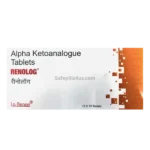
Renolog Tablet (Alpha Ketoanalogue) – Product Description
Renolog Tablet is an alpha ketoanalogue blend used alongside a low‑protein renal diet in people living with chronic kidney disease (CKD). In plain words, it’s a specialized nutrition support tablet. It gives your body nitrogen‑free building blocks (ketoanalogues of essential amino acids) so you can keep your protein intake low without starving your muscles or feeling wiped out. It’s not a cure, and it won’t replace dialysis if you need it. But, used correctly with a kidney‑friendly meal plan, it can help improve nutrition, steady urea levels, and may slow down the drift of kidney function.
What Renolog actually is
- Category: Alpha ketoanalogue of essential amino acids (EAA)
- What’s inside: Calcium salts of ketoanalogues (like keto‑leucine, keto‑isoleucine, keto‑valine, keto‑phenylalanine, and a hydroxy analogue of methionine), plus selected essential amino acids (such as lysine, threonine, tryptophan, histidine, and tyrosine). Exact composition varies by brand/batch check your pack leaflet.
- Why ketoanalogue matters: These are amino‑acid lookalikes without the nitrogen part. Your body converts them into real amino acids by using nitrogen from your food. So you get protein nutrition with less urea production.
Who it’s for
Renolog is usually considered for:
- Adults with CKD (often stages 3–5) who are on a restricted‑protein diet (for example, 0.6–0.4 g/kg/day) and need extra nutritional support
- People losing weight or muscle on a renal diet and need help maintaining protein balance
- Patients with high urea symptoms (fatigue, poor appetite) where diet plus ketoanalogues may help
- Sometimes in dialysis patients as part of a broader nutrition plan (specialist‑directed)
Who should skip or use with caution:
- Children and teens unless a kidney specialist prescribes it
- Anyone with high calcium levels (hypercalcemia) or on heavy calcium/vitamin D therapy—extra monitoring needed
- People with severe liver problems or known allergy to any ingredient
- Pregnant or breastfeeding individuals use only if your clinician recommends it
How it works
- CKD makes it hard to clear nitrogen wastes from protein.
- Lowering protein helps, but you still need amino acids to protect muscle, immune function, and healing.
- Renolog supplies ketoanalogues. During meals, your body “transaminates” them—adds nitrogen from dietary protein—and turns them into essential amino acids.
- Net effect Better amino acid profile, potentially lower urea generation, and support for muscle and overall nutrition, all while keeping protein intake modest.
Benefits you may notice
- Helps maintain or improve nutritional status on a low‑protein plan
- May reduce urea and related symptoms (nausea, poor appetite, brain fog)
- Can support stable albumin and lean body mass
- Often used to help delay progression and push back the need for dialysis when started in earlier stages (your results can vary)
- Gives structure: a clear “with meals” routine that pairs with your renal diet
Honest note: it’s not a magic pill. The big wins come when Renolog is paired with a consistent low‑protein, adequate‑calorie diet and regular follow‑ups.
How to take Renolog (general guidance follow your label)
- Typical dosing pattern: Many protocols use about 1 tablet per 5 kg of body weight per day, split across meals. Example: a 50 kg person may take around 10 tablets per day, divided with breakfast, lunch, and dinner. Your exact dose is set by your clinician.
- Always take with meals: That’s when your body can best convert ketoanalogues into amino acids using the nitrogen from your food.
- Swallow whole with water: Don’t crush or chew unless your pharmacist says your brand allows it.
- Keep calories adequate: Most renal plans aim for 30–35 kcal/kg/day so the body doesn’t burn muscle for fuel.
- Protein target: Stick to your prescribed limit (often 0.4–0.6 g/kg/day). At least half of that protein should be high‑biological‑value (eggs, dairy as allowed, lean meats, soy), as directed by your dietitian.
Missed a dose:
- If you forget a mealtime dose, take it when you remember during or soon after a meal. If it’s too late or you’ve moved on, skip and resume next meal. Don’t double up.
How long to use:
- It’s usually a long‑term partner to your diet. Your nephrologist will review labs and symptoms and decide how long to continue.
What to expect
- First 1–2 weeks: You’re getting used to the routine. Some people notice lighter uremic symptoms and better appetite.
- Weeks 3–8: Lab trends may start to show (urea, creatinine patterns, albumin). Your team may tweak dose, protein targets, or calories.
- Ongoing: Goal is stable energy, steadier labs, and better tolerance of a low‑protein plan. If weight is falling or you feel weak, tell your clinician your calories may be too low.
Diet tips that make Renolog work better
- Spread protein evenly: Don’t “save up” protein for one huge meal.
- Watch hidden protein: Bread, snacks, and some plant foods still add up—your dietitian will give you a list and portions.
- Smart swaps: Use measured healthy fats (as allowed), renal‑friendly carbs, and plenty of permitted fruits/veggies to hit your calorie goals.
- Sodium and potassium: Stick to your personal limits. What’s safe varies by stage and labs.
- Fluids and phosphate: Follow your nephrologist’s plan; Renolog doesn’t replace binders or fluid limits if you need them.
Safety, side effects, and monitoring
Most people tolerate alpha ketoanalogues well.
Side effects, when they happen, are usually mild.
Common, usually short‑lived:
- Nausea, bloating, or stomach discomfort
- Constipation (sometimes the calcium content can slow bowels)
- Taste changes
Less common but important:
- High calcium levels (hypercalcemia): You might feel nausea, constipation, thirst, confusion, or have abnormal heart rhythm. This is why periodic blood tests matter.
- Allergic reaction (rare): Rash, itching, swelling—seek help.
Call your clinician if you notice:
- Persistent GI upset that doesn’t ease after a week
- Signs of high calcium or unusual fatigue
- Fast changes in weight, swelling, or shortness of breath
Monitoring you can expect:
- Urea, creatinine, eGFR
- Electrolytes (especially calcium, potassium, bicarbonate)
- Albumin and sometimes prealbumin
- Phosphate and PTH depending on your stage
- Body weight and dietary intake review
Interactions and timing gaps
Because many ketoanalogue tablets are calcium salts, they can interfere with how other medicines absorb. Spacing doses is your friend.
Separate Renolog from:
- Levothyroxine: keep at least 4 hours apart
- Tetracyclines and quinolone antibiotics (like doxycycline, ciprofloxacin): 2–4 hours apart
- Bisphosphonates (alendronate): take those on an empty stomach alone; add Renolog much later
- Iron supplements: calcium can reduce iron absorption—often taken at a different time of day
Use caution with:
- High‑dose vitamin D or calcium supplements (raises hypercalcemia risk)
- Digoxin high calcium may increase toxicity risk—close monitoring needed
- Phosphate binders your team will space or adjust as needed
Always share an updated list of meds, vitamins, and herbal products with your nephrology team.
Real‑world pointers
- Consistency wins: Take it with each main meal, every day.
- Keep a simple food + symptom log: Protein portions, energy, appetite, bathroom habits. It helps your team fine‑tune your plan.
- Don’t chase quick fixes: If creatinine looks better one week, don’t slash protein on your own. Stick to the plan your clinician set.
- If you can’t meet calorie goals, say so: Under‑eating makes low‑protein diets rough. Your dietitian can add renal‑friendly calories.
- Travel tip: Pack enough tablets for the full trip, and bring your dietary guidance sheet.
Frequently Asked Questions
Q: What is Renolog Tablet used for?
A: It’s an alpha ketoanalogue supplement used with a low‑protein renal diet in CKD. It helps maintain amino acid nutrition while generating less nitrogen waste, which may improve labs and symptoms.
Q: Can Renolog lower creatinine?
A: Not directly. It supports nutrition and can reduce nitrogen waste (urea). Creatinine changes reflect kidney function and muscle mass; the goal here is to support your plan and potentially slow decline—not to “flush creatinine.”
Q: Do I still need to limit protein?
A: Yes. Renolog works best with a low‑protein plan set by your nephrologist/dietitian. It’s not a pass to eat more protein.
Q: How many tablets should I take?
A: Dosing is individualized. A common rule is about 1 tablet per 5 kg body weight per day, split with meals, but your clinician will set the exact number.
Q: Why must I take it with meals?
A: Your body converts the ketoanalogues into amino acids using nitrogen from your food. No meal = less conversion, less benefit.
Q: Is it safe with dialysis?
A: Sometimes used, but the main role is in pre‑dialysis stages with a low‑protein diet. If you’re on dialysis, your protein targets are usually higher your nephrologist will decide if Renolog fits.
Q: Any side effects I should watch for?
A: Mild stomach upset or constipation early on. Rarely, high calcium levels. Report persistent GI issues, unusual fatigue, or signs of hypercalcemia to your clinician.
Q: Can I take it with my thyroid medicine?
A: Separate from levothyroxine by at least 4 hours. Calcium can interfere with thyroid pill absorption.
Q: Does it contain phosphate?
A: These formulations are designed to be low in phosphate and nitrogen. Still, follow your phosphate binder plan if prescribed.
Q: Is this a protein supplement?
A: No. It’s a protein‑sparing medical nutrition product. It helps your body make use of dietary nitrogen more efficiently while you keep protein intake low.
Q: Can pregnant women use Renolog?
A: Only if your nephrologist recommends it. CKD and pregnancy require individualized plans.
Q: How long until I notice something?
A: Some feel better appetite and less “uremic fog” in a couple of weeks, but the bigger changes are seen on labs over 4–8 weeks and beyond.
Q: Can I stop if I feel fine?
A: Don’t stop or change your dose without checking in. Your diet and Renolog work together; your team will guide any changes based on labs and goals.




Reviews
There are no reviews yet.