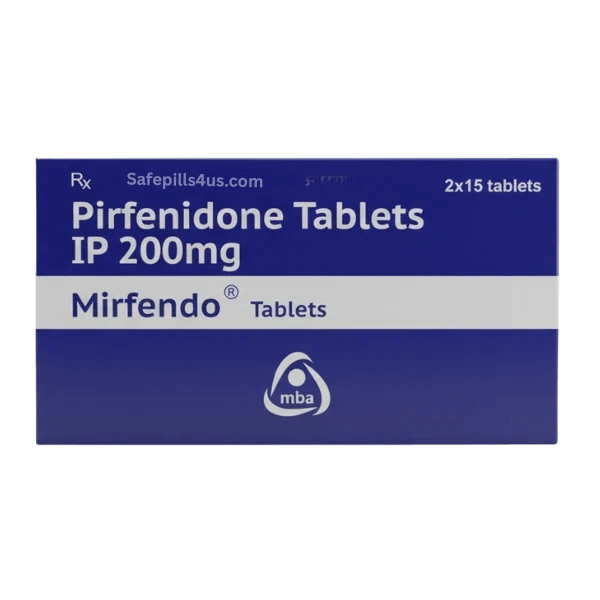
Pirfenidone 200 mg – Product Description
Pirfenidone 200 mg is an antifibrotic medicine made to slow down scarring in the lungs. In plain words, it helps manage idiopathic pulmonary fibrosis (IPF), a long‑term lung condition where the tissue becomes thick and stiff over time. That stiffness makes it harder to breathe deeply and stay active. Pirfenidone doesn’t cure IPF, but it can help slow the drop in lung function, reduce flare‑ups, and support a steadier day‑to‑day life.
It’s a prescription‑only tablet in most regions. Doctors usually start it low and increase the dose gradually. You take it with food—this simple step helps cut down nausea and heartburn. If your specialist has recommended Pirfenidone 200 mg, it’s because they believe it can help protect your lungs from progressing too fast.
What Pirfenidone 200 mg Is
Pirfenidone 200 mg is part of a class of medicines called antifibrotics. IPF causes scar tissue to build up in the lungs, shrinking your breathing room. Over time, that scarring lowers your oxygen levels and makes simple things walking up stairs, a brisk walk, even talking feel like hard work. Pirfenidone helps slow this scarring process. Think of it as putting the brakes on the overactive healing signals that lay down too much fibrous tissue.
Most adults with a confirmed diagnosis of mild to moderate IPF may be candidates. Your lung specialist (pulmonologist) will confirm if it’s right for you, often after tests like HRCT scans and pulmonary function tests (FVC, DLCO).
How Pirfenidone Works
When the lungs get inflamed, certain chemical signals tell cells to produce collagen and other fibers. In IPF, these signals are overactive. Pirfenidone tones down those signals. It:
- Helps reduce the activity of growth factors linked to fibrosis (like TGF‑β)
- Lowers some inflammatory messengers (like TNF‑α)
- Limits the overgrowth of fibroblasts (cells that build scar tissue)
So, it doesn’t reverse old scar tissue, but it may help slow new scar build‑up. That’s why doctors track your progress over months with breathing tests. The goal is to keep your numbers steadier for longer.
Who It’s For
- Adults diagnosed with idiopathic pulmonary fibrosis (IPF)
- People whose specialist believes antifibrotic therapy can slow disease progression
- Not meant for children; safety in pediatric use isn’t established
- Use with extra caution if you have liver or kidney problems your doctor will guide dosing and monitoring
If you have other lung diseases, your doctor will first make sure the diagnosis is truly IPF or an appropriate fibrosing interstitial lung disease, since treatment plans can differ.
Benefits You May Notice
- Slower decline in lung function (measured by tests like FVC)
- Fewer or less severe acute worsening episodes (exacerbations)
- More good days where standard activities feel more manageable
- Supports long‑term management alongside oxygen, rehab, and lifestyle steps
Results vary. Some benefits show up in test numbers rather than how you feel day‑to‑day. That’s normal. Stay the course and keep follow‑ups this is a long game.
What’s Inside
- Active ingredient: Pirfenidone 200 mg per tablet
- Formulation: Film‑coated tablets to be swallowed whole
- Excipients: Standard tablet bases and coating agents (check pack if you have specific allergies; ingredients may vary by manufacturer)
How to Take Pirfenidone 200 mg
Always, always follow the exact plan your specialist gives you. With pirfenidone, doctors typically start low and step up the dose over a short period (often about two weeks). This titration helps your body adjust.
Simple, real‑world tips:
- Take with food. A proper meal or snack lowers nausea, heartburn, and dizziness.
- Swallow tablets whole with water. Don’t crush, chew, or split unless your doctor says it’s okay.
- Spread doses evenly through the day (your prescription will show times).
- Set phone reminders. Consistency matters with antifibrotics.
- If you feel unwell when increasing the dose, call your doctor—they may pause, step down, or adjust.
Missed a dose?
- Take it as soon as you remember unless it’s almost time for the next dose.
- Don’t double up. Just return to your normal schedule.
Accidentally took more?
- Contact a healthcare professional promptly, especially if you feel very dizzy, nauseated, or unwell.
How long will you take it?
- Usually long‑term. IPF is chronic, and antifibrotics are meant for ongoing use, as tolerated. Your doctor will review regularly.
Safety, Warnings, and Precautions
Before starting Pirfenidone 200 mg, tell your doctor if you have:
- Liver disease or past abnormal liver tests
- Kidney problems (especially severe impairment)
- A history of photosensitivity (sensitive skin in sunlight)
- Previous serious reactions to pirfenidone or similar medicines
- Stomach ulcers or significant reflux symptoms
- If you smoke (important—see below)
Important precautions:
- Liver checks: Pirfenidone can affect the liver. Your doctor will order regular blood tests—often more frequent at the start, then at set intervals.
- Sun sensitivity: This medicine can make your skin extra sensitive to sunlight. Use a high‑SPF sunscreen, wear long sleeves and a hat, and try to avoid peak sun. No tanning beds.
- Dizziness/fatigue: If you feel dizzy or very tired, avoid driving or operating machines until it settles.
- Smoking: Smoking can lower pirfenidone levels in your body, which may make it less effective. If you smoke, ask for help to quit. It’s one of the best things you can do for IPF too.
- Alcohol: Go easy. Alcohol can stress the liver. If you drink, keep it moderate and consistent—don’t binge.
Pregnancy and breastfeeding:
- Data is limited. Use only if your specialist believes benefits outweigh risks. If you’re pregnant, planning, or breastfeeding, discuss thoroughly before starting or continuing.
Possible Side Effects
Not everyone gets side effects. Many are mild and manageable, especially if you take tablets with food and protect your skin from sunlight.
Common side effects:
- Nausea, indigestion/heartburn, stomach pain
- Diarrhea or, sometimes, constipation
- Loss of appetite, weight loss
- Tiredness, dizziness, headache
- Skin rash or sunburn‑like reactions (photosensitivity)
- Cough or throat irritation
Less common but serious contact a doctor urgently if you notice:
- Signs of liver trouble: yellowing of skin/eyes, dark urine, persistent nausea, right‑upper belly pain, severe fatigue
- Severe skin reactions or blistering
- Allergic reactions: swelling of face/lips, hives, trouble breathing
- Severe, persistent dizziness or fainting
If side effects show up when the dose increases, your doctor may adjust the schedule, lower the dose, or pause and restart. Don’t tough it out in silence speak up early.
Drug Interactions
Tell your doctor and pharmacist about all medicines you take prescriptions, over‑the‑counter meds,
vitamins, and herbal supplements.
Key interactions to know:
- Strong CYP1A2 inhibitors (for example, fluvoxamine): can raise pirfenidone levels a lot. Often avoided.
- Moderate CYP1A2 inhibitors (like ciprofloxacin): may require close monitoring or a dose adjustment.
- CYP1A2 inducers (including cigarette smoke): can lower pirfenidone levels and reduce effect.
- Other liver‑metabolized medicines: your doctor will review for overlap and decide on monitoring or adjustments.
- Herbal products that affect liver enzymes (for example, some St. John’s wort preparations) may change how pirfenidone is processed always check first.
If you’re unsure about combining something new even common painkillers ask your healthcare provider.
Storage and Handling
- Store below 25–30°C in a cool, dry place away from direct sunlight
- Keep tablets in the original pack until use
- Keep out of reach of children and pets
- Do not use after the expiry date printed on the pack
Who Should Not Use Pirfenidone 200 mg
- Anyone with a known allergy to pirfenidone or any tablet ingredient
- People with significant liver disease unless a specialist closely supervises
- Those with severe kidney impairment requiring dialysis, unless specifically advised by a specialist
- Children and adolescents (safety not established)
- Use in pregnancy or breastfeeding only after careful risk‑benefit discussion
Practical Tips for Everyday Use
- Take with meals breakfast, lunch, dinner. Your stomach will thank you.
- Sunscreen every day, even if it looks cloudy. Long sleeves and a hat help too.
- Keep hydrated and eat balanced meals; small, frequent meals can ease nausea.
- Don’t skip follow‑ups. Lung tests and blood tests guide safe, effective use.
- If you’re losing weight without trying, tell your doctor. They can help you adjust diet or dosing.
- Thinking about stopping? Don’t. Call your specialist first. They may tweak the plan.
Pirfenidone 200 mg Price and Availability
Availability and price depend on the brand, region, and pack size. Because this is a prescription medicine, your local pharmacy or hospital supply will give the most accurate current price. Insurance coverage varies by plan; some require prior authorization. Your care team can often help with paperwork.
Frequently Asked Questions
Q1. What is Pirfenidone 200 mg used for?
A: It’s used to manage idiopathic pulmonary fibrosis (IPF). It helps slow down lung scarring so your lung function declines more slowly over time.
Q2. Is Pirfenidone a steroid?
A: No. It’s an antifibrotic with anti‑inflammatory actions. It isn’t a steroid or an antibiotic.
Q3. How long does Pirfenidone take to work?
A: You may not “feel” it working day to day. Doctors track progress over months with breathing tests. The aim is to slow decline, not to provide instant symptom relief.
Q4. How should I take Pirfenidone 200 mg?
A: Exactly as your specialist prescribes. Usually it’s started at a low dose and increased gradually. Always take it with food and swallow tablets whole.
Q5. What if I miss a dose?
A: Take it when you remember unless it’s close to your next dose. Don’t double up. If you miss doses often, set reminders and tell your doctor.
Q6. What are common side effects?
A: Nausea, indigestion, diarrhea, fatigue, headache, dizziness, decreased appetite, weight loss, and skin sensitivity to sunlight.
Q7. Which side effects are serious?
A: Yellowing of skin/eyes, dark urine, severe stomach pain, intense or blistering rash, facial swelling, trouble breathing, or severe dizziness. Get medical help immediately if these happen.
Q8. Do I need regular blood tests?
A: Yes. Liver function tests are routine more frequent at the start, then at intervals your doctor decides.
Q9. Can I go out in the sun?
A: Yes, but carefully. Use high‑SPF sunscreen, wear protective clothing, and avoid midday sun. Pirfenidone can make skin more sensitive to UV.
Q10. Can I drink alcohol while taking Pirfenidone?
A: Best to keep it moderate. Alcohol can strain the liver. If you drink, keep intake steady and within advised limits. Discuss with your doctor.



Reviews
There are no reviews yet.