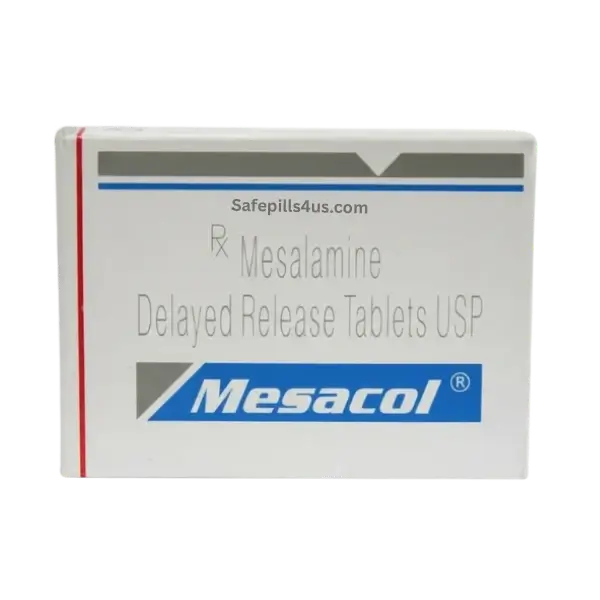
Mesacol 400 mg is a mesalamine (also called mesalazine) tablet used to treat mild to moderate ulcerative colitis (UC) and to help keep symptoms in remission. It’s an anti‑inflammatory that acts right inside the bowel. In plain words: it calms the lining of your colon so pain, urgency, and bleeding can ease up. Prescription medicine only.
Mesacol 400 mg tablets are typically enteric‑coated so they pass through the stomach and release in the intestine. Don’t crush or chew them.
What Mesacol 400 mg is for (and who it’s for)
Doctors prescribe Mesacol 400 mg for:
- Mild to moderate ulcerative colitis flares (to settle active symptoms)
- Maintenance therapy to prevent relapses once you’re in remission
- Ulcerative proctitis or left‑sided colitis (sometimes combined with rectal 5‑ASA for faster relief)
- Crohn’s colitis use is specialist‑directed only; it’s not a general Crohn’s treatment
If you’re unsure whether your symptoms are from UC, get checked first. Mesacol won’t help every type of tummy trouble.
How mesalamine works (simple version)
UC inflames the inner lining of the colon. Mesalamine:
- Blocks local inflammatory chemicals (like prostaglandins and leukotrienes)
- Calms immune cells in the gut wall
- Protects the lining with mild antioxidant effects
So, it directly soothes the bowel lining instead of suppressing your whole immune system.
Dosage and how to take
Use exactly as your doctor prescribes. Doses vary with your condition and response.
Typical adult guidance your clinician may use:
- Active UC (induction): total daily 2.4 g to 4.8 g, divided through the day
- Maintenance: total daily 1.2 g to 2.4 g
- With 400 mg tablets, this often means multiple tablets per day, split into 2–3 doses
How to take it
- Swallow tablets whole with water. Do not crush, chew, or split.
- With or without food is fine; taking with food can reduce stomach upset. Be consistent.
- Drink enough fluids during the day.
Missed dose
- Take it when you remember unless it’s close to the next dose. If so, skip the missed one.
- Don’t double the dose to catch up.
Do not stop suddenly without medical advice. Stopping can trigger a relapse.
What to expect
- First changes: less urgency, fewer trips to the bathroom, reduced bleeding—often in 1–3 weeks
- Steady gains: pain and inflammation continue to settle over 4–6 weeks
- Maintenance: regular dosing helps keep you in remission and lowers relapse risk
If symptoms stay the same or worsen after a few weeks, your doctor may adjust your plan (dose change, add rectal 5‑ASA, add steroids, or switch therapy).
Who should not use Mesacol 400 mg
Avoid unless your specialist agrees if you:
- Are allergic to mesalamine, mesalazine, salicylates (like aspirin), or any tablet ingredient
- Have severe kidney disease or a history of mesalamine‑related kidney problems
- Have severe liver disease
- Have stomach or bowel obstruction
Use with caution (talk to your doctor first) if you:
- Have kidney issues, dehydration, or take other kidney‑affecting drugs (monitor closely)
- Have a history of pancreatitis, myocarditis, or pericarditis
- Have blood disorders or are on thiopurines (azathioprine/6‑MP)
- Have G6PD deficiency (rare risk of hemolysis)
- Are elderly or sensitive to blood pressure or kidney changes
Pregnancy and breastfeeding
- Pregnancy: Often continued if benefits outweigh risks—active UC can be riskier than treatment. Your obstetrician/GI will guide you.
- Breastfeeding: Small amounts pass into milk; some infants may get diarrhea. Monitor and discuss with your pediatrician.
Possible side effects
Most are mild and settle as your body adjusts.
Common
- Headache
- Nausea, stomach pain, indigestion, gas
- Diarrhea or constipation changes
- Rash or itching
Less common but important
- Kidney issues (interstitial nephritis): fatigue, swelling, flank pain, changes in urination
- Pancreatitis: severe upper abdominal pain, nausea/vomiting
- Heart inflammation (myocarditis/pericarditis): chest pain, shortness of breath, fast heartbeat
- Blood disorders: unusual bruising, infections, persistent sore throat
- Severe skin reactions (very rare): widespread rash, blisters, peeling
Stop the medicine and seek medical help if you notice signs of a serious reaction, intense chest/abdominal pain, yellowing of eyes/skin, dark urine, or marked drop in urine output.
Monitoring and safety checks
- Kidney function: baseline and periodic serum creatinine/urinalysis
- Liver tests: as advised
- Complete blood count: if you’re also on azathioprine/6‑MP, or if symptoms suggest a problem
- Symptom diary: stool frequency, urgency, bleeding, pain
Drug interactions
Always share your full med list (including herbs/supplements) with your doctor.
Notable interactions
- Azathioprine or 6‑mercaptopurine: higher risk of low white cells—need blood count monitoring
- Nephrotoxic drugs (NSAIDs like ibuprofen, high‑dose ACE inhibitors, certain antibiotics): additive kidney risk—monitor
- Warfarin: mesalamine may alter anticoagulation—monitor INR
- Other salicylates: additive side effects
Alcohol: No direct interaction, but alcohol can irritate the gut. If UC is active, it may aggravate symptoms.
Practical tips for better results
- Take it at the same times daily set reminders if needed
- Don’t stop when you feel better; maintenance prevents flares
- If you’re flaring, ask about adding rectal 5‑ASA (suppository/enema) for left‑sided disease
- Stay hydrated; dehydration strains the kidneys and gut
- Call your doctor if you develop severe pain, fever, heavy bleeding, or rapid worsening
- Keep follow‑ups for lab checks
Storage and pack info
- Store at room temperature, dry place, away from heat and sunlight
- Keep tablets in the original blister/bottle; close caps tightly
- Keep out of reach of children
- Don’t use past the expiry date
- Do not use if the pack is damaged or tablets look broken
Frequently asked questions (FAQ)
Q: What is Mesacol 400 mg used for?
A: It’s mesalamine 400 mg, a 5‑ASA anti‑inflammatory used to treat mild to moderate ulcerative colitis and to maintain remission.
Q: How fast does Mesacol start working?
A: Many people notice less urgency and bleeding in 1–3 weeks. Full effect can take 4–6 weeks. Keep taking it as prescribed.
Q: Can I crush Mesacol tablets?
A: No. They’re enteric‑coated to release in the intestine. Swallow whole.
Q: Should I take it with food?
A: You can take it with or without food. If your stomach is sensitive, taking it with meals often feels easier—just be consistent.
Q: Is Mesacol the same as Asacol?
A: Both contain mesalamine/mesalazine. Release coatings and regional brands may differ. Follow your product label and your doctor’s instructions.
Q: Do I need blood or urine tests while on Mesacol?
A: Yes. Your doctor will usually check kidney function before starting and periodically during treatment. Other labs may be ordered based on your plan.
Q: Can Mesacol be used long term?
A: Yes, it’s commonly used for maintenance to prevent UC relapses. Your doctor will review benefits and monitor safety over time.
Q: What if I miss a dose?
A: Take it when you remember unless it’s close to the next dose. Skip the missed one if so. Don’t double up.
Q: Can I drink alcohol?
A: There’s no strict ban, but alcohol can irritate the gut. If you’re flaring, it may worsen symptoms. Keep it modest and see how you feel.
Q: Is Mesacol safe in pregnancy?
A: Often continued if needed, because controlling UC matters for mom and baby. Discuss your situation with your obstetrician and GI.
Q: What’s the difference between Mesacol 400 mg and Mesacol 800 mg or OD tablets?
A: Same active ingredient. Higher‑strength or once‑daily (OD) forms reduce pill burden. Your doctor will choose based on your dose needs and preference.
Q: Can I take Mesacol with probiotics or iron?
A: Usually yes, but take iron and Mesacol at different times if you get stomach upset. Always let your doctor know what you take.
Q: My symptoms got worse after starting—what now?
A: Rarely, mesalamine can trigger intolerance (worsening diarrhea, pain, fever). Stop and contact your doctor if you feel clearly worse.
Q: Does Mesacol treat Crohn’s disease?
A: It’s mainly for ulcerative colitis. Any use in Crohn’s colitis is specialist‑directed and not routine. 






Reviews
There are no reviews yet.