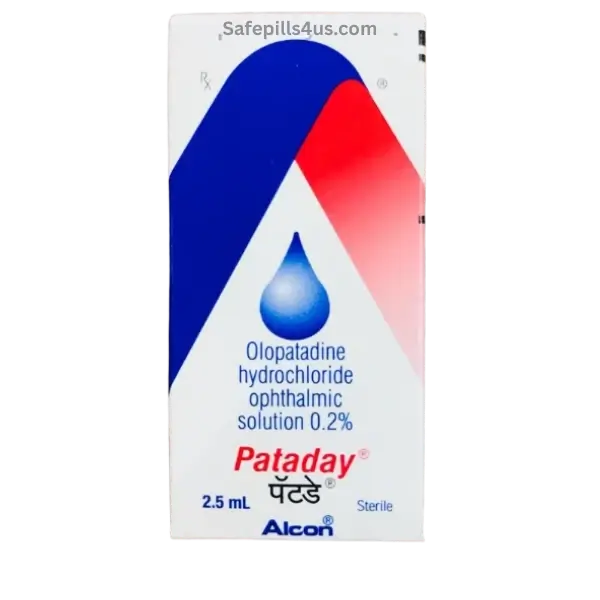
If spring, dust, pets, or that mystery “something” in the air makes your eyes itch like crazy, Pataday Eye Drop (olopatadine) is the straight‑to‑the‑point fix. It’s an antihistamine eye drop made for allergy eyes—itchy, watery, burning, and allergy‑related redness. One quick drop per eye (follow your pack directions), and you’re done. No messy gels. No haze. Just clean, targeted relief right where it’s needed.
This isn’t a blog it’s a product description you can actually use. In plain words: Pataday helps calm the allergic reaction on the eye’s surface. It stops histamine (the itch trigger) and helps prevent it from firing up again. So your eyes feel normal, and you can get on with your day.
What Pataday Eye Drop does (simple version)
- Relieves itchy, irritated eyes caused by allergens like pollen, dust, pet dander, and grass
- Helps reduce watering and burning that come with allergic conjunctivitis
- Dual action: antihistamine + mast cell stabilizer (so it works now and helps prevent later flare‑ups)
- Non‑drowsy, because it works on your eyes—not your whole system
It’s not meant to treat infections or injuries. If your eye is painful, light hurts, or you have thick or colored discharge, that’s a doctor situation, not an allergy drop.
Who it’s for
- Adults and kids (age limits depend on strength; many Pataday strengths are labeled for ages 2–3+—follow your pack or your clinician’s guidance)
- People with seasonal allergies (pollen) or indoor allergies (dust mites, pets)
- Contact lens wearers who can remove lenses before use and wait 10–15 minutes to reinsert
- Anyone who wants once‑daily or twice‑daily allergy eye relief without oral antihistamine side effects
If you have glaucoma, recent eye surgery/laser, severe dry eye, or chronic eye disease, check with an eye care professional first.
How it works (no jargon)
Your eyes have histamine receptors. When allergens land, histamine triggers itch and irritation.
Olopatadine blocks those receptors fast—so the itch calms down. It also stabilizes mast cells (the little cells that release histamine), which helps prevent repeat flares. That’s why Pataday feels quick and also lasts.
Strengths and dosing (follow your label)
Pataday products come in different strengths and schedules. Common ones include:
- Olopatadine 0.1%: often used twice daily (about 6–8 hours apart)
- Olopatadine 0.2%: typically once daily (all‑day coverage for many users)
- Olopatadine 0.7%: extra‑strength, once daily (long‑lasting relief)
Always read your specific pack. Different regions have different approved directions. More drops don’t mean more relief—stick to the dose.
What you’ll notice (timeline)
- First 5–10 minutes: itch starts to settle for many people
- First hour: eyes feel calmer, less “scratchy,” less watery
- The day: depending on strength, relief can last all day with once‑daily versions
Allergies can be stubborn. Daily use during your allergy season usually works best.
How to use Pataday Eye Drop the right way
- Wash up: Clean your hands. Don’t touch the dropper tip to anything keep it sterile.
- Take out contacts: Soft lenses can soak up preservatives. Remove them first. Do not use if your eyes are red while wearing contacts.
- Tilt and drop: Tilt your head back. Pull down the lower lid to make a small pocket. Place 1 drop into the pocket—don’t poke your eye with the tip.
- Close and press: Close your eye gently, then lightly press the inner corner (near your nose) for 30–60 seconds. This helps the medicine stay in the eye and reduces run‑off.
- Wait for lenses: Give it 10–15 minutes before reinserting contact lenses.
- Using other drops? Space them 5–10 minutes apart. Ointments go last.
Pro tip: You don’t need to shake the bottle. A single drop is enough.
Good habits that make a difference
- Start early: If you know your allergy season, start Pataday a few days before it hits.
- Be consistent: Use it daily as directed, even on days you feel “okay” during peak season.
- Keep it clean: Wipe lids with a gentle eyelid cleanser if pollen is heavy. Don’t rub—rubbing actually releases more histamine.
- Store it right: Room temperature, cap on tight, out of direct sun. Don’t use if it looks cloudy or discolored.
Safety and side effects (honest, quick read)
Most people tolerate Pataday really well. Still, any
eye drop can cause mild stuff, especially at first.
Common, usually mild:
- Temporary stinging or mild burn right after the drop
- Dryness, mild redness, or a “something’s in my eye” feeling for a few minutes
- Headache in some users
Less common:
- Eyelid swelling or itching that doesn’t settle
- Significant redness or vision changes
- Allergic reaction to any ingredient (rare but possible)
Stop and speak with a professional if:
- You get severe eye pain, vision changes, or extreme sensitivity to light
- Symptoms last more than 72 hours without clear improvement
- You develop thick discharge or your lids stick together—could be an infection
Contact lenses and preservatives
Most Pataday bottles include a preservative (often benzalkonium chloride, BAK). BAK can bind to soft contact lenses. That’s why you:
- Remove lenses before using
- Wait 10–15 minutes before reinserting
If you’re very sensitive or wear contacts all day, ask your eye care pro about lens‑friendly routines or preservative‑free daytime lubricants to pair with Pataday.
What’s inside (typical)
- Active ingredient: Olopatadine (strength depends on your pack)
- Inactive ingredients: May include benzalkonium chloride (preservative), sodium chloride, phosphate buffers, and purified water; pH may be adjusted with acid/base
Always check your bottle for the exact list and the “discard after opening” guidance for your market.
When Pataday is the right move (and when it’s not)
Good fit:
- Itchy, watery eyes triggered by allergens
- Seasonal flare‑ups (pollen, grass) or indoor triggers (pets, dust)
- You want fast relief without oral antihistamine drowsiness
Not the right tool:
- Pink eye from infection (thick discharge, stuck lids, fever—see a clinician)
- Injury or chemical exposure (urgent care)
- Severe dry eye needing a different plan
Tips to pair with your drops
- Rinse allergens off: A quick shower or face wash after outdoor time helps a lot.
- Cold compress: 5 minutes with a cool eye mask can soothe itch without rubbing.
- Sunglasses outside: They block wind and airborne allergens.
- Keep windows closed on high‑pollen days. Quick vacuum with a HEPA filter helps indoors.
Storage and handling
- Room temp. Keep the cap on, bottle upright when you can.
- Don’t share your bottle (eyes are sensitive—keep it personal).
- Watch the expiry date. If the solution looks odd, don’t use it.
Frequently Asked Questions (FAQ)
Q: What does Pataday (olopatadine) treat?
A: It relieves itchy, watery, allergy‑irritated eyes (allergic conjunctivitis). It blocks histamine and helps prevent new releases, so symptoms calm down.
Q: How fast does it work?
A: Many users feel relief within minutes. Depending on the strength, a single daily dose can last all day.
Q: How often do I use it?
A: Follow your pack. Common directions: 0.1% twice daily; 0.2% once daily; 0.7% once daily. Don’t exceed the labeled dose.
Q: Can I use Pataday with contact lenses?
A: Yes remove lenses first, apply the drop, then wait 10–15 minutes before putting lenses back in. Don’t use if your eyes are red while you’re wearing contacts.
Q: Can kids use it?
A: Many strengths are approved for children (often 2–3+ years). Check your bottle’s age guidance or ask a pediatrician/eye care professional.
Q: Will it make me sleepy?
A: No. It’s non‑drowsy because it works on your eyes locally, not like oral antihistamines that circulate through your whole system.
Q: Can I use Pataday with other eye drops?
A: Usually yes. Space different drops by 5–10 minutes. Ointments go last. If you’re on prescription eye meds (like glaucoma drops), ask your doctor how to schedule them.
Q: Is Pataday the same as “redness reliever” drops?
A: No. Redness relievers shrink blood vessels temporarily. Pataday targets allergy pathways (histamine/mast cells) to treat the cause of allergic itch. It may help allergy‑related redness, but that’s not its main job.
Q: What if I miss a dose?
A: Use it when you remember, then go back to your normal schedule. Don’t double up.
Q: Any side effects I should know?
A: Mild stinging, brief dryness, or a short‑lived “gritty” feel can happen. Stop and seek advice if you get severe pain, vision changes, heavy discharge, or symptoms that don’t improve after a couple of days. 



Reviews
There are no reviews yet.