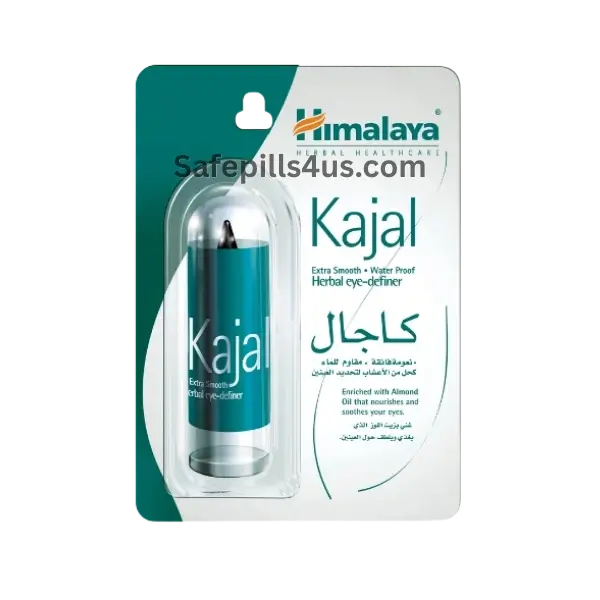
Herbal kajal is a traditional eye cosmetic that's been given a modern, safer makeover. It's made from natural plant-based ingredients instead of the synthetic chemicals and questionable additives found in many commercial
eye products. People have lined their eyes with kajal for thousands of years across India, the Middle East, and North Africa both to look good and because they believed it protected and strengthened the eyes.
The big difference with herbal versions is what's left out. No lead, no toxic metals, no harsh synthetic dyes. Instead, you get ingredients like almond oil, castor oil, camphor, and carbon from natural sources like burnt coconut shells or medicinal herbs. It's the same dramatic dark look your grandmother achieved, just without the health risks that came with old-school formulas.
Why Natural Ingredients Matter
Regular kajal sometimes contains lead and other heavy metals that can be genuinely dangerous, especially for kids whose parents apply it following cultural traditions. Lead accumulates in the body over time and causes serious health problems. Herbal kajal sidesteps this entirely by using tested natural ingredients that won't poison you.
The oils used—typically castor, almond, or coconut—actually nourish the delicate skin around your eyes while helping the kajal glide on smoothly. Natural carbon from burnt almonds or herbs gives you that intense black color without synthetic dyes. Some brands add traditional Ayurvedic ingredients like triphala or bhringraj that are supposed to be good for eye health, though honestly the science on that is pretty thin.
Who Benefits Most
Anyone currently using kajal should consider switching to herbal, but it's especially important for certain groups. If you've got sensitive eyes that get irritated easily, natural formulations usually cause fewer problems. Parents who put kajal on babies and young children common in South Asian families absolutely need to use herbal versions to avoid lead exposure.
Contact lens wearers often find herbal kajal less irritating than conventional types, though you still need to be careful about getting particles on your lenses. People who generally prefer natural beauty and skincare products find herbal kajal fits their philosophy. And if you've experienced reactions to regular kajal redness, itching, watering trying a natural version makes sense.
Application Tips That Actually Work
Pull down your lower lid gently and run the kajal stick along the waterline from the inner corner outward. Go slowly and don't press too hard. For the upper lash line, draw as close to the lashes as you can for definition without getting it actually in your eye.
If your kajal is dragging or feeling scratchy, warm it between your fingers for a few seconds first. Build up intensity gradually easier to add more than to fix raccoon eyes. And here's something people forget sharpen it regularly. A dull, rounded tip gives you thick, messy lines instead of the precise look you want.
Potential Issues to Know About
Natural doesn't automatically mean irritation-free for everyone. Some people react to specific ingredients like almond oil or camphor even though they're natural. If you notice redness, excessive tearing, itching, or any discomfort, stop using it immediately and rinse your eyes with clean water.
Eye infections are a real risk with any kajal if you're not careful about hygiene. Never share your kajal with anyone that's how you spread bacteria and end up with conjunctivitis. Also, toss it after three to six months even if there's product left. Old eye cosmetics are breeding grounds for bacteria that can cause serious infections.
Making It Last
Keep herbal kajal somewhere cool and dry, away from bathroom humidity and direct sunlight. Heat softens it and makes application messy. A bedroom drawer works better than anywhere in the bathroom. Some people refrigerate kajal in hot climates to keep it firm, but let it come to room temperature before applying or you'll be scratching at your eyes.
The cap matters—keep it on tight so the product doesn't dry out or pick up dust and contaminants. If you notice the texture changing significantly, the color getting uneven, or any weird smell developing, throw it out. Natural products without heavy-duty preservatives can go bad faster than synthetic versions.
Safety Habits You Need
Mark the date when you first open your kajal. Most should be replaced every three to six months for safety. Don't use kajal if you've got any
eye infection, stye, injury, or irritation happening. Wait until everything's completely healed before putting any cosmetics near your eyes.
Wipe the tip of your kajal stick with a clean tissue every week or so to remove buildup and reduce bacteria. Wash your hands before applying. And take it off properly at night—leaving kajal on while you sleep increases infection risk and you'll wake up with it smeared everywhere anyway.
Questions People Actually Ask
How do I know it’s actually herbal and safe?+
Choose trusted brands that clearly list all ingredients and, if possible, offer third-party testing. Avoid products with vague labeling or no ingredient details. Certifications can add extra confidence.
Will it run or smudge easily?+
It depends on the formula. Some herbal kajals are long-lasting, while others may smudge more easily. Since it’s often applied to the waterline, a little movement during the day is normal.
Can I use it with contact lenses?+
Many people can, but be careful during application. Avoid getting particles into your eyes or onto lenses. Some eye specialists recommend avoiding waterline use if you wear contacts regularly.
Does kajal improve eye health?+
Traditional beliefs suggest benefits, but modern science does not confirm this. The main advantage is using safe, non-toxic ingredients—not treating eye conditions.
Why does herbal kajal break easily?+
Natural formulas are softer and lack synthetic hardeners, making them more fragile. Store it properly, avoid heat, and handle gently to prevent breakage.
Is it safe for babies?+
Most doctors advise against applying kajal to babies’ eyes. If you still choose to follow this practice, use only lead-free herbal versions—but be aware there are still risks.
How is kajal different from regular eyeliner?+
Kajal is softer and creamier, designed for the waterline. Regular eyeliner is usually firmer and meant for the lash line or eyelids.
What if I have a nut allergy and it contains almond oil?+
If you have a severe nut allergy, it’s safer to avoid products with almond oil. Look for alternatives made with ingredients like castor oil instead.