Obivin D Eye Drop – Product Description
Obivin D Eye Drop is made to calm red, itchy, watery eyes fast. In plain words: when your eyes feel scratchy, look bloodshot, or keep tearing up from allergies, dust, or simple irritation, Obivin D helps settle things down so you can see and feel normal again. It’s a handy, on‑the‑go bottle you can keep in your bag or desk for quick relief.
Note on what’s inside: In many markets, Obivin D Eye Drop is a combo “anti‑allergy + decongestant + lubricant” formula. It typically includes:
- Naphazoline or phenylephrine (decongestant) to shrink red, swollen surface vessels
- An antihistamine such as chlorpheniramine to control itch and allergic reaction
- A soothing lubricant like carboxymethylcellulose (or methylcellulose) to moisturize
- Sometimes zinc sulfate (mild astringent) for extra comfort and reduced watering
Exact ingredients and strengths can vary by pack and country. So, always read your label and follow your doctor’s or pharmacist’s advice for your specific bottle.
What Obivin D Eye Drop is used for
- Red, irritated eyes due to allergies (pollen, dust, pet dander, mold)
- Itchy, watery eyes (allergic conjunctivitis)
- Mild eye irritation from smoke, wind, or screen time
- Occasional eye redness when you need to look and feel calm again
Quick heads‑up:
- Obivin D soothes symptoms. It’s not an antibiotic and won’t treat an eye infection. If you’ve got thick yellow‑green discharge, severe pain, or light sensitivity, that’s a doctor visit.
- Not a long‑term daily eye drop. Overuse of decongestant eye drops can backfire and cause more redness (rebound).
How it works (simple version)
When something irritates your eyes, the tiny blood vessels on the surface widen, and histamine gets released. That leads to redness, itch, and watering. Here’s how Obivin D tackles it:
- The decongestant (like naphazoline/phenylephrine) gently tightens surface vessels, so the “red” fades.
- The antihistamine (like chlorpheniramine) blocks histamine, the “itch” chemical, so you rub less and feel calmer.
- The lubricant coats the eye surface, easing dryness and that gritty, sandy feeling.
- If zinc sulfate is in your formula, it works like a mild astringent, cutting extra watering and irritation.
All that together means better comfort and clearer‑looking eyes—often within minutes.
Who can use it
- Adults and adolescents: Yes, as directed on the label.
- Children: Use only the pediatric guidance on your pack, or ask a doctor first. Many combo drops are not recommended under 6 years without medical advice.
- Pregnancy/breastfeeding: Check with your healthcare professional before use.
- Contact lens wearers: Remove lenses before applying. Wait at least 15 minutes before reinserting (especially if the drop contains benzalkonium chloride).
How to use Obivin D Eye Drop
- Wash and dry your hands. Sounds basic, but it’s key.
- Shake gently if your label says so.
- Tilt your head back. With one hand, pull down your lower eyelid to make a small pocket.
- Hold the bottle tip close (not touching your eye) and squeeze the recommended number of drops into the pocket.
- Close your eye gently for 1–2 minutes. Don’t blink hard. You can press lightly on the inner corner of your eye (near the nose) for about a minute to reduce drainage and keep more drop where it’s needed.
- Repeat for the other eye if needed.
- Wipe the tip and recap firmly. Don’t touch the tip to fingers, eyelashes, or any surface—keeps germs out.
Typical dosing (follow your label first):
- Usually 1–2 drops in the affected eye(s), up to 3–4 times a day.
- Do not use more frequently than directed.
- Don’t use for more than 5–7 days in a row. If symptoms stick around, you need a recheck.
If you’re using more than one eye product, space them by at least 10–15 minutes. Gels/ointments go last.
Why people choose Obivin D
- Quick relief from redness and itch nice before meetings or bedtime
- Multi‑action formula: decongestant + antihistamine + lubricant comfort
- Non‑greasy feel, easy to carry, easy to use
- Works well for seasonal allergy flares and everyday irritants like dust or smoke
Important warnings and precautions
- Don’t use if you have narrow‑angle glaucoma unless your ophthalmologist says it’s okay. Decongestants can raise pressure in susceptible eyes.
- Avoid if you’re using MAO inhibitors (or have used them in the last 14 days). Decongestants can interact badly.
- Caution if you have high blood pressure, heart disease, hyperthyroidism, or diabetes. Even though it’s a drop, small amounts can be absorbed.
- Eye infection warning signs: thick discharge, crusting lashes, severe pain, sensitivity to light, or vision changes—don’t self‑treat. Get checked.
- Don’t share your bottle. Eye drops are personal.
- If your bottle lists dexamethasone (a steroid), follow a doctor’s plan closely. Steroid eye drops need monitoring and are not for viral/fungal eye problems or long casual use.
Stop and speak to a professional if:
- Redness lasts more than 48–72 hours
- Symptoms return quickly after every dose (possible rebound redness)
- You get severe stinging, swelling, rash, or breathing trouble after using
- You develop eye pain, halos around lights, sudden vision changes, or headache with nausea
Possible side effects
Usually mild and short‑lived:
- Temporary stinging or burning after the drop goes in
- Mild blurred vision for a few minutes
- Dry eye feeling or mild irritation
- Slight pupil enlargement and light sensitivity (decongestant effect)
Less common:
- Headache, dizziness, or a brief jump in heart rate/blood pressure (more likely with overuse)
- Eye dryness leading to stringy mucus or redness if used too often (rebound)
Allergic reaction (rare, but serious): eyelid/face swelling, hives, wheezing—get urgent help.
Using the smallest effective amount for the shortest time reduces the chance of
side effects.
Drug and condition interactions
Tell your doctor or pharmacist about all medicines you take.
- Do not use with MAOIs or within 14 days of stopping them.
- Be careful with tricyclic antidepressants and other decongestants (oral or nasal) at the same time.
- If you have glaucoma, severe dry eye, corneal problems, or you’ve had eye surgery recently, get medical guidance first.
- Contact lenses: Many bottles contain benzalkonium chloride (BAK), which can discolor or damage soft lenses. Remove lenses before use, wait 15 minutes to reinsert.
Storage and handling
- Store at room temperature, away from heat and strong light.
- Keep the cap tightly closed.
- Don’t freeze.
- Keep out of reach of children.
- Check the expiry date before use.
- Once opened, most eye drops should be used within 28–30 days (or as stated on your pack). Mark the date you opened it—simple trick that saves guesswork.
Tips for best results
- Try a cool compress for 5–10 minutes to calm puffy, itchy eyes before the drop.
- Keep windows closed on high‑pollen days and rinse your face after being outdoors.
- Avoid rubbing your eyes—hard, I know, but rubbing makes redness and itch worse.
- Use a preservative‑free lubricating tear during the day if screens dry your eyes out. Then use Obivin D only when you need the decongestant/antihistamine kick.
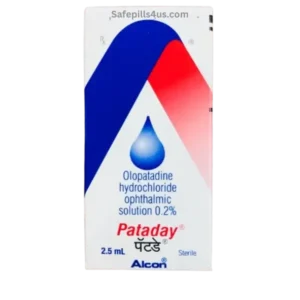
- If allergies are a year‑round thing, talk to a doctor about an antihistamine or a mast‑cell stabilizer (like olopatadine) for regular control.
When to see a doctor
- Redness, itch, or watering doesn’t improve in 2–3 days, or keeps bouncing back
- You have pain, light sensitivity, thick discharge, or vision changes
- You suspect something got into the eye (chemical splash, metal dust, etc.)
- You have glaucoma or high eye pressure and need safe alternatives
- You’re pregnant or breastfeeding and want a clear‑cut go‑ahead
Frequently asked questions (FAQ)
Q: What does Obivin D Eye Drop do exactly?
A: It eases eye redness, itching, and watering linked to allergies and minor irritation. It combines a decongestant (shrinks surface vessels), an antihistamine (reduces itch), and a lubricant (soothes dryness).
Q: How fast will it work?
A: Pretty fast. Most people feel calmer, less red eyes within minutes, with comfort lasting a few hours.
Q: How often can I use it?
A: Typically 1–2 drops up to 3–4 times a day, but follow your label. Don’t use longer than 5–7 days in a row without medical advice.
Q: Can I use it with contact lenses?
A: Remove soft lenses before use. Wait at least 15 minutes after the drops before reinserting. If your eyes are very irritated, give lenses a break.
Q: Is it safe for kids?
A: Use only as per the pediatric directions on your pack or as advised by a doctor. Many combo drops aren’t recommended for children under 6 years.
Q: Will it fix an eye infection?
A: No. It’s for allergy and irritation relief. If you have thick discharge, crusting, or significant pain, see a clinician for evaluation and, if needed, antibiotic drops.
Q: Can I use Obivin D every day?
A: Keep it short and sweet—only during flare‑ups for a few days. Daily long‑term use of decongestant drops can cause rebound redness.
Q: I’m on antidepressants can I still use it?
A: If you take MAO inhibitors (or used them in the last 14 days), don’t use Obivin D. With other antidepressants, check with your doctor or pharmacist first.
Q: Can I drive after using the drops?
A: Wait until your vision clears. Temporary blur happens. It should pass in a few minutes.
Q: What if it stings?
A: A brief, mild sting is common. If it’s strong, lasts long, or your eye becomes more irritated, stop and get advice.
Q: How long can I keep an opened bottle?
A: Most eye drops should be discarded 28–30 days after opening, unless your label says otherwise. Write the open date on the bottle.
Q: Can I use Obivin D with lubricating tears?
A: Yes. Space them 10–15 minutes apart. Use the lubricating tear first, then Obivin D, or follow the order your pharmacist suggests.


Reviews
There are no reviews yet.