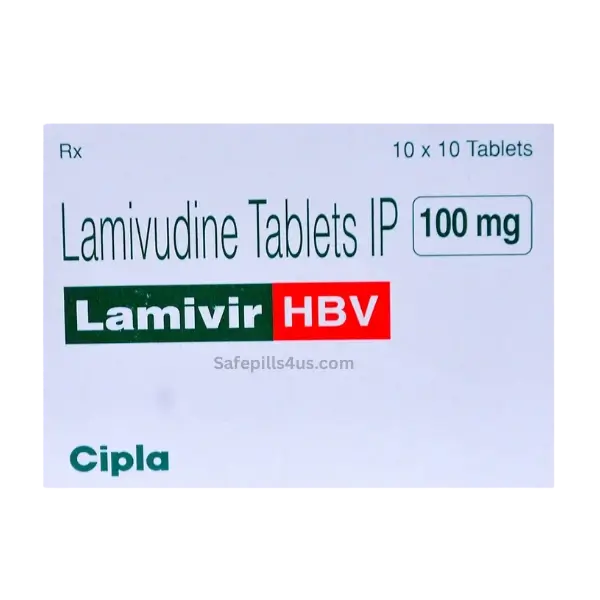
What is Lamivir 100 mg?
Lamivir 100 mg contains lamivudine, a well‑known antiviral used worldwide. It targets hepatitis B by getting inside liver cells and blocking the viral reverse transcriptase (also called DNA polymerase in HBV). When that enzyme is blocked, the virus struggles to make new copies. Over time, your viral load comes down, liver enzymes like ALT can settle, and your liver has a chance to repair some of the ongoing inflammation.
How it works
Hepatitis B is like a machine that keeps pressing copy. Lamivudine slips in and jams the copy button. It looks like a normal building block to the virus, but when HBV tries to use it, the chain stops. Fewer new viruses are made, and the pressure on your liver eases. You may not feel this right away your blood tests tell the story first.
Who is it for?
Your doctor may prescribe Lamivir 100 mg if you:
- Have chronic hepatitis B with signs of active viral replication (high HBV DNA)
- Have elevated liver enzymes or signs of inflammation/fibrosis
- Need an oral antiviral with a simple, once‑daily schedule
For kids, pregnancy, advanced liver disease, or special cases (like after a transplant), the decision is individualized. Your specialist will set the plan and any dose adjustments.
Why the 100 mg strength matters
- HBV‑specific dosing: 100 mg once daily is the standard adult dose for hepatitis B.
- Easy routine: One tablet daily keeps things simple and supports adherence.
- Long‑term friendly: Designed for steady, ongoing suppression.
Heads‑up: Resistance to
lamivudine can develop, especially with long‑term use as a single HBV agent. That’s why regular monitoring is part of the deal, and sometimes doctors choose another antiviral or switch if needed.
Benefits you may notice
- Lower viral load: HBV DNA usually drops over weeks to months.
- Better liver tests: ALT and AST can move toward normal.
- Liver protection: Less ongoing inflammation means less damage over time.
- Simple dosing: Once daily, with or without food.
Dosage and how to take
- Typical adult dose for HBV: 100 mg once daily.
- With or without food: Either is fine pick a time you can repeat every day.
- Kidney issues: If your kidneys don’t filter well, your doctor may adjust how often you take it.
- Don’t stop abruptly: Stopping suddenly can cause a serious hepatitis flare. Any changes should be done with your doctor’s guidance.
Safety notes and key warnings
- Hepatitis flare after stopping: This is important. HBV can rebound hard if lamivudine is stopped suddenly. Keep follow‑ups and never discontinue on your own.
- HIV check: If you have HIV and take lamivudine 100 mg alone, HIV can become resistant. Testing before starting is recommended.
- Lactic acidosis and severe liver enlargement (rare but serious): Get help if you feel unusually unwell—deep rapid breathing, severe tiredness, muscle pain, stomach pain with nausea/vomiting.
- Liver disease status: If you have advanced (decompensated) cirrhosis, you’ll need closer monitoring. Your team will tell you how often.
- Pancreatitis (rare): Severe upper belly pain that may spread to the back, with nausea/vomiting—seek care.
- Pregnancy and breastfeeding: Use only under medical advice. Your clinician will weigh benefits and risks for you and your baby.
Tell your doctor before starting if you:
- Have kidney problems or are on dialysis
- Have other liver conditions or a history of flares
- Are pregnant, planning, or breastfeeding
- Have HIV or are at risk for HIV
- Take lots of other medications or supplements
Possible side effects
Common (usually mild):
- Headache
- Tiredness or dizziness
- Nausea, stomach discomfort, diarrhea
- Runny nose, cough, or sore throat (cold‑like symptoms)
- Trouble sleeping
Less common but important—call your doctor if you notice:
- Severe or persistent abdominal pain, repeated vomiting (possible pancreatitis)
- Yellowing of the skin or eyes (jaundice), very dark urine
- Severe fatigue with muscle pain, deep rapid breathing (possible lactic acidosis)
- Unusual bruising or bleeding
- Signs of a hepatitis flare (feeling very unwell, worsening jaundice, sharp rise in liver enzymes on labs)
Drug interactions
Lamivudine doesn’t have tons of interactions, but a few things matter:
- Don’t duplicate therapy: Avoid taking lamivudine with emtricitabine (they’re very similar). No benefit, more risk.
- Cladribine: Usually avoided together—lamivudine can reduce cladribine’s effect.
- Trimethoprim/sulfamethoxazole (co‑trimoxazole): Can raise lamivudine levels. Often still fine, but your doctor should know.
- Sorbitol‑containing liquids: Sorbitol (often in syrups) can lower lamivudine levels—mainly an issue with the liquid form, but good to flag.
- Interferon or other antivirals: Your specialist coordinates these.
- All meds list: Always share every prescription, over‑the‑counter, vitamin, and herbal product.
Monitoring and follow‑up
Regular checkups are part of safe, effective HBV care. Expect:
- HBV DNA (viral load) to confirm suppression and spot resistance early
- Liver enzymes (ALT/AST), bilirubin, and other liver function tests
- HBeAg/anti‑HBe status if relevant, and sometimes HBsAg over the long term
- Kidney function, especially if your dose was adjusted
- Ultrasound/AFP if you have cirrhosis or higher risk, per your doctor’s plan
Keep those appointments. They’re how you and your doctor know the medicine is doing its job.
Practical tips
- Pick a daily time: Mornings with water or evenings after brushing your teeth—whatever you won’t forget.
- Set reminders: A simple phone alarm works wonders.
- Go easy on alcohol: Your liver is already busy. If you drink, discuss safe limits with your provider.
- Don’t share your tablets: Sounds obvious, but it matters. Your plan is tailored to you.
- Safer living with HBV: Avoid sharing razors/needles, practice safer sex, and ask about vaccination for close contacts.
Storage and handling
- Store at room temperature, away from heat and moisture.
- Keep in the original strip or bottle until use.
- Keep out of reach of children and pets.
- Do not use after the expiry date on the pack.
Who should not use Lamivir 100 mg?
- Anyone allergic to lamivudine or any tablet ingredient
- People with known or suspected HIV who are not on a full HIV regimen (unless directed by an HIV specialist)
- Anyone advised by their clinician to use a different antiviral based on resistance or medical history
Frequently Asked Questions (FAQ)
Q1: What is Lamivir 100 mg used for?
A: It’s used to treat chronic hepatitis B. It lowers how much virus is in your body and helps protect your liver over time.
Q2: Is this the same lamivudine used for HIV?
A: Same medicine, different use. For HIV, lamivudine is part of combination therapy at higher doses (like 150 mg twice daily or 300 mg once daily). Lamivir 100 mg is the HBV dose and isn’t right for HIV treatment by itself.
Q3: How do I take it?
A: One tablet (100 mg) once daily, with or without food. Try to take it at the same time each day.
Q4: How long will I need to take it?
A: Many people need long‑term treatment. Your doctor will decide based on labs, liver scans, and how your liver is doing.
Q5: Will it cure hepatitis B?
A: It doesn’t “cure” HBV, but it can suppress the virus and help protect your liver. Some people may eventually change or stop therapy under close supervision, but that’s a medical call.
Q6: Can I stop when I feel better?
A: No—don’t stop without medical advice. Stopping suddenly can cause a serious hepatitis flare.
Q7: What if I have HIV too?
A: Using lamivudine 100 mg alone can cause HIV resistance. People with HIV/HBV coinfection need a full antiretroviral regimen. Your specialist will plan this.
Q8: Do I need to take it with food?
A: It’s flexible take it with or without food. Just be consistent.
Q9: What side effects are common?
A: Headache, tiredness, upset stomach, and diarrhea are the usual mild ones. Serious issues like pancreatitis or lactic acidosis are rare but need urgent care if they happen.
Q10: Is it safe in pregnancy or while breastfeeding?
A: Sometimes, yes under medical supervision. Your doctor will weigh benefits and risks for you and your baby.






Reviews
There are no reviews yet.