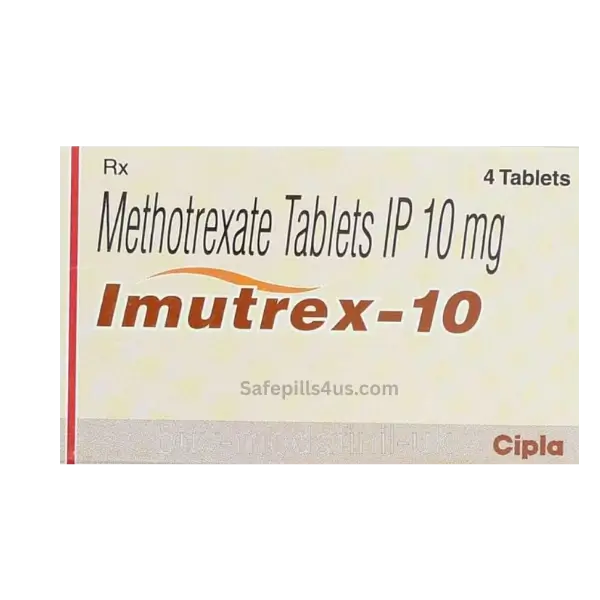
What is Imutrex 10 mg
Imutrex 10 mg contains methotrexate, a disease‑modifying antirheumatic drug (DMARD). That’s a mouthful, so here’s the easy version it dials down an overactive immune system. When your immune system is attacking your joints or skin, methotrexate helps calm the fire so pain, swelling, and plaques get better over time. It doesn’t work overnight, but it can be a game‑changer when used correctly.
What it treats
Doctors commonly use Imutrex 10 mg for:
- Rheumatoid arthritis (reduces joint pain, swelling, and prevents long‑term joint damage)
- Psoriasis and psoriatic arthritis (calms plaques and joint inflammation)
- Certain other autoimmune or inflammatory conditions when your specialist recommends it
How it works
In autoimmune diseases, parts of your immune system are basically stuck in overdrive.
Methotrexate slows the cells that fuel inflammation and nudges the immune response back toward normal. So, less swelling, fewer plaques, less morning stiffness and a better shot at keeping damage from piling up.
How to take Imutrex 10 mg safely
- Dose schedule: Once a week. Pick a day (say, Saturday) and stick to it.
- With or without food: Either is fine. If your stomach feels off, take it with a small meal.
- Folic acid: Most doctors add folic acid (for example, 1 mg daily or 5 mg once weekly) to cut down mouth sores, nausea, and lab abnormalities. Take it exactly as instructed—usually not on the same day as methotrexate.
Missed your weekly dose?
- If you remember within 1–2 days, take it then and return to your usual day next week.
- If it’s been longer, skip and wait for your next scheduled day.
- Never double up. If you’re unsure, call your clinic—better to ask than guess.
Important safety tip: People have been harmed by taking methotrexate daily by mistake. Mark your calendar, stick a “once weekly” label on the pack, or use a weekly pill reminder. Whatever keeps you safe.
Typical dosing
Doses are personalized and may change with time and lab results.
- Rheumatoid arthritis: common start is 7.5–10 mg once weekly, then adjusted up (often to 15–25 mg weekly) for best control.
- Psoriasis/psoriatic arthritis: often 10–25 mg once weekly, adjusted by response and labs.
- Your doctor might split the weekly total into two or three doses taken 12 hours apart on the same day to ease stomach issues. Sometimes the plan switches to injections if tablets aren’t well tolerated.
It can take 4–12 weeks to feel the full benefit. Don’t quit early without talking to your prescriber.
Side effects
Most are manageable, especially with folic acid and dose tweaks.
Common (often milder and improve with time):
- Nausea, stomach upset, loss of appetite
- Mouth sores, sore tongue
- Tiredness, mild headache or dizziness
- Mild hair thinning, skin sensitivity to sun
- Elevated liver enzymes on blood tests
Less common but important seek medical help quickly if you notice:
- Signs of infection fever, chills, sore throat that won’t go away
- Shortness of breath, new dry cough, chest pain (possible methotrexate‑related lung reaction)
- Severe mouth ulcers or persistent vomiting/diarrhea
- Yellowing of skin/eyes, very dark urine, severe stomach pain (possible liver issue)
- Easy bruising/bleeding, unusual fatigue or pale skin (low blood counts)
- Severe rash, hives, swelling of lips/face, trouble breathing (allergic reaction)
Warnings & who should not use it
Do not use methotrexate if you:
- Are pregnant, planning pregnancy, or breastfeeding
- Have severe liver disease, significant kidney disease (without dose adjustment), severe blood disorders, or a serious active infection
- Have alcoholism or heavy ongoing alcohol use
- Are allergic to methotrexate or tablet ingredients
Pregnancy and fertility guidance:
- Methotrexate can harm an unborn baby. Use reliable contraception.
- Women: discuss stopping methotrexate well before trying to conceive (many clinicians advise at least 3 months).
- Men: contraception is usually advised during treatment and for at least 3 months after the last dose.
Always follow your specialist’s timeline plans vary by case.
Alcohol:
- Best avoided. Alcohol plus methotrexate raises liver risk. If you choose to drink, speak with your doctor first and keep it minimal.
Sun exposure:
- Methotrexate can make skin more sensitive. Use SPF and cover up—especially if you have psoriasis.
Vaccines:
- Avoid live vaccines while on methotrexate. Inactivated vaccines (like the annual flu shot) are usually okay, though the response might be a bit lower. Ask about timing if you’re due for a shot.
Drug interactions
Always share your full medicine list, including herbals and over‑the‑counter pills. Key examples:
- Trimethoprim or co‑trimoxazole (TMP‑SMX): can dangerously lower blood counts—often avoided
- Leflunomide, sulfasalazine, azathioprine, cyclosporine: added immune effects; require close monitoring
- NSAIDs (ibuprofen, naproxen) and aspirin: can raise methotrexate levels at higher doses; low‑dose use may be okay under supervision don’t self‑medicate regularly
- Penicillins, tetracyclines, probenecid: can increase methotrexate levels
- Proton‑pump inhibitors (omeprazole, esomeprazole): may affect clearance, especially at higher MTX doses
- Retinoids (acitretin), alcohol: increased liver risk
- Live vaccines: avoid during therapy
Monitoring and follow‑ups
This medicine needs routine checks. Expect:
- Blood tests complete blood count, liver enzymes, kidney function—frequently at the start (e.g., every 2–4 weeks) and then spaced out when stable
- Sometimes screening for hepatitis B/C and TB before long‑term use
- Review of side effects at each visit
- For psoriasis, periodic skin assessments; for arthritis, joint checks and function scores
Practical tips for smoother treatment
- Take folic acid exactly as prescribed—tiny tablet, big benefits
- If nausea hits, ask about splitting the weekly dose or switching to subcutaneous injection
- Keep a “methotrexate day” routine: reminder on your phone, sticky note on the box, whatever works
- Hydrate well the day before, day of, and day after your dose
- If you get mouth sores, avoid spicy/acidic foods for a bit; ask about a soothing mouth rinse
- Call early if you’re sick with fever or need antibiotics—your dose might be delayed for a week
Storage & pack info
- Store at room temperature, dry place, away from heat and sunlight
- Keep in the original blister or bottle with the cap tight
- Keep out of reach of children and pets
- Do not use after the expiry date or if the pack looks damaged
Frequently asked questions (FAQ)
Q1: Is methotrexate taken daily or weekly?
A: Weekly. Most adults take it once a week on the same day. Daily use is dangerous. If anyone ever prescribes “daily,” double‑check immediately.
Q2: How long before I feel better?
A: It usually takes 4–12 weeks to notice real improvement. Keep taking it as prescribed and attend lab checks. Your doctor may adjust the dose while you’re waiting for the full effect.
Q3: Do I really need folic acid?
A: Almost always, yes. It helps prevent mouth sores, nausea, and some lab abnormalities. The dose and schedule vary—follow your prescription.
Q4: Can I drink alcohol while on methotrexate?
A: Best to avoid alcohol because of liver risk. If you plan to drink, talk to your doctor first and keep it very limited.
Q5: What if I’m trying to get pregnant?
A: Methotrexate must be stopped well in advance.
Women and men typically wait at least 3 months (your specialist will set the exact timing). Use reliable contraception until you’re cleared.
Q6: I caught a cold. Should I skip my dose?
A: Minor colds may be okay, but if you have fever, chills, or feel generally unwell, call your clinic before taking your weekly tablet. They’ll guide you.
Q7: Can I take ibuprofen or naproxen with methotrexate?
A: Sometimes, under supervision. Regular or high‑dose NSAIDs can raise methotrexate levels. Don’t self‑medicate frequently without your doctor’s okay.
Q8: I have mouth ulcers—what now?
A: Report them. Your doctor may adjust your dose, change your folic acid plan, or suggest a mouth rinse. Avoid spicy/acidic foods until it settles.
Q9: What are signs I should seek help urgently?
A: Fever, persistent sore throat, severe shortness of breath, new dry cough, yellowing skin/eyes, very dark urine, heavy bruising/bleeding, or a severe rash—don’t wait.
Q10: Can I get vaccines?
A: Avoid live vaccines during treatment. Inactivated vaccines (like flu shots) are typically allowed. Ask about timing if a vaccine is due.








Reviews
There are no reviews yet.