

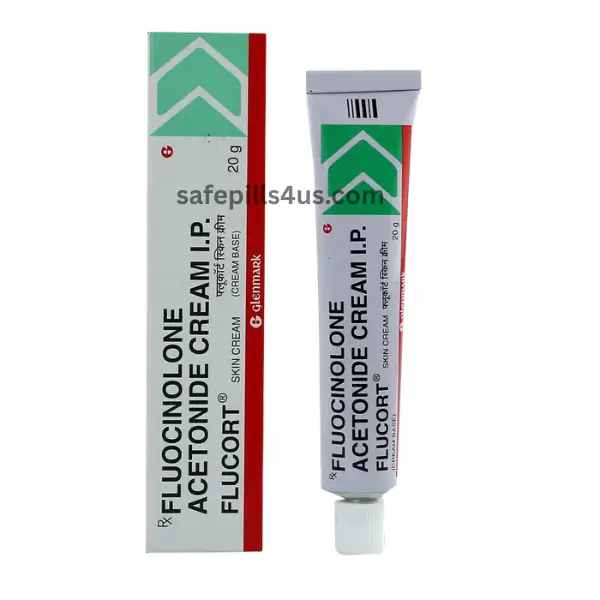

Description
Flucort Cream Overview
Flucort Cream (Fluocinolone) is a topical corticosteroid used to calm inflamed, itchy, or irritated skin. It helps relieve symptoms tied to eczema, dermatitis, allergic rashes, and certain mild forms of psoriasis. This cream targets redness, swelling, and intense itch, so skin can settle down and start to look and feel better. Flucort Cream (Fluocinolone) is for external use only and should be used as directed by a healthcare professional.Key Uses And Support
- Eases itching, redness, and swelling from eczema and dermatitis
- Helps soothe allergic skin rashes and irritant reactions
- Supports short‑term relief for mild plaque psoriasis flares
- Reduces discomfort from insect bites and contact with plants or metals Results often start to show in a few days, but your provider’s plan should guide how long you use it.
How It Calms Skin
The active ingredient, fluocinolone acetonide, is a medium‑strength corticosteroid. It works within the skin to reduce the release of inflammatory chemicals, slow immune overactivity, and shrink swollen blood vessels. Flucort Cream (Fluocinolone) turns down the itch and inflammation signal so skin feels less irritated and appears less red.Who May Benefit Most
- Adults and teens with doctor‑diagnosed eczema, atopic or contact dermatitis
- People managing mild psoriasis patches needing a short flare rescue
- Those who need a steroid cream that isn’t ultra‑strong but still effective Not for use on untreated skin infections, severe acne, rosacea, or open wounds. Children can be more sensitive to steroids; use only if a pediatric provider recommends it.
Simple Application Guide
- When to apply: Usually 1 to 2 times daily, or exactly as your provider advises.
- How much to use: Apply a thin, even layer to the affected area. A fingertip unit (from the tip of an adult index finger to the first crease) lightly covers an area about the size of two adult palms.
- Technique tips: Clean and dry skin first. Gently rub in until absorbed. Wash hands after applying, unless treating the hands.
- Avoid: Eyes, mouth, broken skin, and the inside of the nose. Do not use on the face, groin, or armpits unless a clinician says it’s okay and then only for the shortest time possible.
- Do not occlude: Don’t cover with tight bandages, plastic, or diapers unless your provider instructs you to, as this increases absorption and side effects.
- Missed dose: Apply when you remember. If it’s close to the next time, skip the missed application don’t double up.
Important Safety Notes
- Short courses are best: Prolonged or repeated use increases the risk of skin thinning, stretch marks, and other local side effects.
- Infections matter: Don’t use on active bacterial, fungal, or viral infections (like impetigo, athlete’s foot, ringworm, cold sores, or shingles) unless your provider is treating the infection at the same time.
- Sensitive areas: Use extra caution on eyelids, face, skin folds, and the groin due to higher absorption.
- Kids and older adults: More prone to side effects; use only with medical guidance.
- Pregnancy and nursing: Use the smallest amount for the shortest time if your clinician advises it. Avoid applying on or near the nipple area before breastfeeding.
Possible Side Effects List
Most users tolerate Flucort Cream (Fluocinolone) well during short use. Possible effects include:- Mild burning, stinging, or dryness where applied
- Skin irritation, itching, or redness
- Lightening or darkening of treated skin with longer use
- Skin thinning, stretch marks, easy bruising, or visible surface veins after extended or heavy use Rarely, with large areas or long durations, enough steroid may be absorbed to affect adrenal hormones. If you notice unusual fatigue, weight gain, swelling, or persistent irritation, stop use and contact a healthcare professional.
What To Discuss First
Share your full health picture before starting Flucort Cream (Fluocinolone):- Current skin infections, acne, rosacea, or perioral dermatitis
- Long‑term steroid use (topical, inhaled, or oral)
- Liver conditions, immune concerns, or plans for pregnancy/breastfeeding
- Areas you plan to treat (face, folds, or large body surfaces) This helps your provider pick the right potency, frequency, and duration for safer results.
Interaction And Ingredient Notes
- Active ingredient: Fluocinolone acetonide (topical corticosteroid).
- Other topicals: Using multiple steroid creams or strong exfoliants/retinoids on the same spot can increase irritation or over‑treat the skin. Space out products and follow your provider’s plan.
- Antimicrobials: Your clinician may add an antifungal or antibiotic if an infection is present. Don’t self‑combine without guidance.
- Systemic medicines: Topical use has low absorption when used correctly, but tell your provider about immunosuppressants or other steroids you take.
Storage And Handling Tips
- Store at room temperature (68°F to 77°F), away from heat and direct light.
- Keep the cap tightly closed; do not freeze.
- Do not use past the expiration date.
- Keep out of reach of children and pets.
- Do not share your medication with anyone.
Customer Questions Answered
How Fast Will My Skin Improve?
Many people feel less itching within 24 to 48 hours, with redness easing over several days. If there is no improvement within a week, check back with your healthcare provider.
Can I Use It On My Face?
Only if a clinician directs you to, and then very sparingly for a short time. Facial skin is thinner and more prone to side effects.
How Long Can I Use It?
Follow your provider’s timeline, often a few days to two weeks. Long continuous use is not recommended unless you are under close medical supervision.
Is It Safe For Kids?
Children can absorb more steroid through the skin. Use it only if a pediatric provider advises it, and avoid tight diapers or plastic pants over treated areas.
Can I Apply Moisturizer With It?
Yes. Apply Flucort Cream first and allow it to absorb, then use a gentle fragrance-free moisturizer to support the skin barrier.
What If My Rash Looks Infected?
Stop using the steroid and contact your healthcare provider if you notice pus, spreading redness, fever, or warmth. You may need antimicrobial treatment.