Esperal (Disulfiram) Tablets — Alcohol Deterrent Treatment
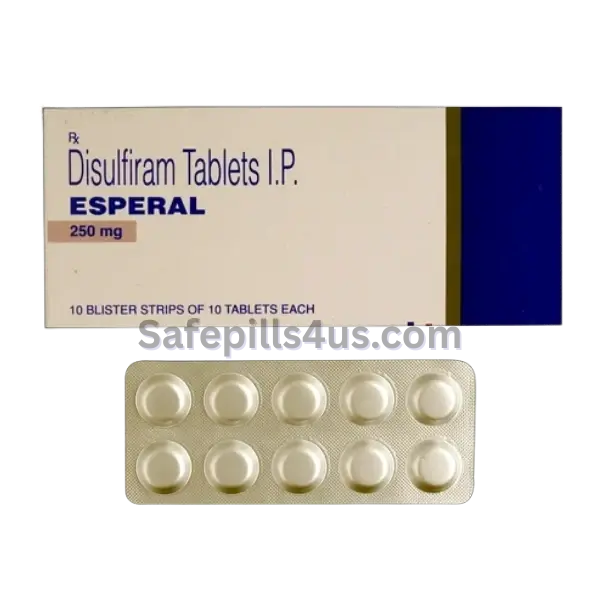
- What it is: Esperal is the brand name for disulfiram, a prescription medicine that helps people stay alcohol‑free
- How it works: it makes drinking alcohol cause very unpleasant effects, so you’re less likely to drink
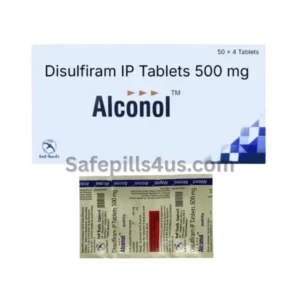
- Typical strengths: 250 mg and 500 mg tablets (varies by manufacturer)
- Use: part of a complete recovery plan for alcohol dependence
- Start timing: only after you’ve been alcohol‑free for at least 12 hours (many prescribers prefer 24–48 hours)
- Rx only: yes, under the guidance of your healthcare provider
What Esperal Does
Esperal doesn’t Block cravings directly. It changes how your body handles alcohol. Disulfiram blocks an
enzyme (aldehyde dehydrogenase). So if you drink even a small amount acetaldehyde builds up. That leads to flushing, pounding headache, nausea, vomiting, chest discomfort, fast heartbeat, and a drop in blood pressure. Not fun, and honestly, that’s the point. The strong, quick reaction helps you avoid alcohol and stick with sobriety.
Who It’s For (and Not For)
Good candidates:
- Adults committed to staying alcohol‑free who want an added deterrent
- People who have completed detox or are already sober and want ongoing support
- Those who can avoid alcohol in all forms (including hidden sources)
Not suitable or use with extra caution:
- Severe heart disease, coronary artery disease, or uncontrolled high blood pressure
- Severe liver disease or a history of serious liver problems
- A history of psychosis or severe mental health instability
- Allergy to disulfiram or thiuram compounds (used in some rubber products)
- Pregnancy or breastfeeding: discuss risks and alternatives with your provider
- If you took alcohol in the last 12 hours (ideally 24–48) or are currently intoxicated
How to Use Esperal
- When to start: only after you’ve been alcohol‑free long enough (often 24–48 hours). Your clinician will confirm.
- Usual dose: many adults take 250 mg once daily. Some may use 125–500 mg daily. The exact dose is personalized.
- With food or without: either is fine. Pick a time you’ll remember. Morning works for many.
- Missed dose: skip it if it’s close to the next one. Don’t double up.
- Do not drink alcohol while on Esperal. Also avoid it for up to 14 days after stopping yep, the effect can linger.
Hidden Alcohol: Check Everywhere
- Mouthwash, cough syrups, elixirs, and some liquid vitamins
- Aftershaves, colognes, body sprays, hand sanitizers
- Cooking wine/beer, certain sauces and marinades, rum‑flavored desserts
- Herbal tinctures and tonics made with alcohol
- Some topical antiseptics and household solvents
Side Effects You Might Notice
Common (often mild and temporary):
- Drowsiness, fatigue, or headache
- Metallic or garlic‑like taste in the mouth
- Acne‑type rash, skin sensitivity
- Upset stomach or nausea (usually improves with food)
Serious call your doctor right away:
- Signs of liver trouble: dark urine, yellowing of skin/eyes, upper right belly pain, severe fatigue
- Numbness or tingling in hands/feet: vision changes, mood changes or confusion
- Severe reaction after alcohol exposure: flushing, throbbing headache, chest pain, shortness of breath, rapid heartbeat, fainting
Warnings and Interactions
- Do not combine with metronidazole (an antibiotic) due to risk of serious mental status reactions.
- Can increase levels/effects of certain meds warfarin (INR may rise), phenytoin, theophylline, some benzodiazepines. Your provider may adjust doses and monitor labs.
- Isoniazid (for TB) plus disulfiram can raise the risk of nervous system side effects use only if your prescriber says it’s okay.
- Go easy with other sedatives. Until you know how you feel on Esperal, be careful with driving or operating machines.
- Tell every healthcare professional you see that you’re on disulfiram. It helps avoid accidental exposures and bad interactions.
Storage and Product Details
- Storage room temperature (68–77°F / 20–25°C). Keep dry and out of direct heat.
- Keep away from kids and pets. Even one tablet can cause harm if taken by someone it’s not prescribed for.
- What you get: disulfiram tablets (often 250 mg or 500 mg). Color/shape can vary by manufacturer.
- Prescription required in the United States.
Frequently Asked Questions
Q: What is Esperal used for?
A: It’s used to support alcohol abstinence. If alcohol is consumed, it triggers an immediate, very unpleasant reaction, which helps deter drinking.
Q: How fast does it start working?
A: Pretty quickly once it’s in your system. That’s why you must be alcohol‑free before the first dose. The deterrent effect can last up to 14 days after your last tablet.
Q: What happens if I drink on Esperal?
A: Within minutes you may get flushing, pounding headache, nausea, vomiting, chest discomfort, breathing trouble, and low blood pressure. It can be dangerous, especially if large amounts of alcohol are involved. Seek urgent medical help.
Q: Can I use mouthwash or hand sanitizer?
A: Use alcohol‑free versions. Regular mouthwash and many sanitizers contain alcohol and can trigger a reaction (even the fumes sometimes). Check labels for alcohol‑free.
Q: How long do people take Esperal?
A: It varies. Some use it for a few months; others continue longer during high‑risk periods. Your clinician will tailor the plan to your recovery goals.
Q: Is Esperal addictive?
A: No. It doesn’t cause a high or dependence. It’s a behavioral deterrent.
Q: Will it stop cravings?
A: Not directly. Many people pair Esperal with counseling, support groups, and sometimes other meds (like naltrexone or acamprosate) for cravings.
Q: What if I miss a dose?
A: Skip it if it’s close to the next scheduled time. Don’t double up. And remember—the deterrent effect can still hang around for days.
Q: Can I start if I drank last night?
A: Most providers want at least 12 hours alcohol‑free (often 24–48 hours). Be honest with your prescriber so they can start you safely.
Q: Can I cook with wine if it burns off?
A: It might not fully burn off. Play it safe—avoid dishes cooked with alcohol while on disulfiram.



Reviews
There are no reviews yet.