Description
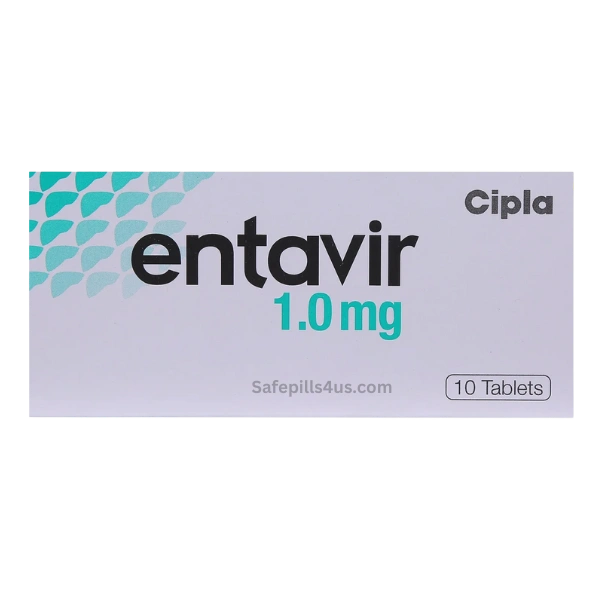
Entavir 1 mg is an antiviral tablet used to manage chronic hepatitis B (HBV). The active ingredient is entecavir, a nucleoside analogue that slows the virus down so it can’t copy itself easily. In plain words, it presses pause on the virus’s replication machine, helping bring viral load down and giving your liver a real chance to recover. It’s prescription‑only and typically chosen for people who need the stronger 1 mg strength often those with lamivudine‑resistant HBV or decompensated liver disease, as decided by a specialist.
What Entavir 1 mg does (in simple terms)
Hepatitis B is a virus that makes lots of copies inside your liver cells. Entecavir blocks the HBV polymerase a vital
enzyme the virus uses at several steps while copying its DNA. Think of it like pulling the power cord on the virus’s copier. With fewer new viruses being made, your viral load drops. That eases ongoing liver inflammation, helps liver enzyme tests move toward normal, and reduces the chance of long‑term damage like scarring.
Who is Entavir 1 mg for?
The 1 mg strength is usually prescribed when a stronger dose is required. Your doctor may recommend Entavir 1 mg if you:
- Have lamivudine‑resistant HBV (the virus didn’t respond well to lamivudine or bounced back on it)
- Have decompensated liver disease (more advanced or unstable liver function)
- Need a higher strength due to your medical history and lab results, as assessed by a specialist
For treatment‑naïve adults with compensated liver disease, 0.5 mg once daily is often used instead. Your exact plan depends on your doctor’s evaluation, your HBV DNA level, your HBeAg status, liver tests, and overall health.
Important: If you have HIV and are not on a fully suppressive HIV regimen, entecavir can trigger HIV resistance. That’s why HIV testing before starting (and as needed afterward) is important.
Benefits you may notice
- Powerful viral suppression: Helps reduce HBV DNA significantly over time
- Improved liver enzymes: ALT and AST often trend toward normal with consistent use
- Liver protection: Less ongoing inflammation means a lower risk of scarring and complications
- Simple schedule: Once daily, same time each day, empty stomach
- Generally well tolerated: Many people report mild or no side effects
The big picture: this medicine is part of a marathon, not a sprint. Regular monitoring keeps everything on track.
How to take Entavir 1 mg
- Standard dose (typical): 1 mg once daily, or as your doctor directs.
- Empty stomach: Take it at least 2 hours before or 2 hours after a meal. Food can reduce absorption, so timing matters.
- Same time every day: Build a routine set a reminder if it helps.
- Do not stop abruptly: Stopping suddenly can cause a serious hepatitis flare. If changes are needed, your doctor will plan it carefully.
- Kidney problems: If your kidneys don’t work at full capacity, your doctor may adjust how often you take it.
Missed a dose?
- Take it when you remember unless it’s close to your next dose.
- If it’s almost time for the next one, skip the missed dose.
- Don’t double up. Just return to your normal schedule.
Safety notes and key warnings
- Hepatitis flare after stopping: Severe flares can occur if entecavir is stopped unexpectedly. Do not discontinue without medical advice.
- Lactic acidosis and severe hepatomegaly with steatosis: This is rare but serious. If you feel unusually unwell—deep, rapid breathing, sudden fatigue, muscle pain, stomach pain with nausea/vomiting—seek medical help fast.
- HIV coinfection: If you have HIV, entecavir should not be used without a fully suppressive HIV regimen. It can cause HIV resistance. Testing is recommended before starting.
- Decompensated liver disease: Requires closer monitoring, sometimes in a specialist center. Keep every appointment and do your labs on time.
- Pregnancy and breastfeeding: Use only if the potential benefit justifies the risk. Talk with your doctor if you’re pregnant, planning, or nursing.
- Driving/alertness: Dizziness can happen in some people. Know how you react before driving or using machines.
Tell your doctor before starting if you:
- Have kidney disease or are on dialysis
- Have a history of lactic acidosis or liver failure
- Have HIV (known or suspected) or are at risk for HIV
- Are on other antivirals, immunosuppressants, chemotherapy, or any drug that may affect kidney function
- Are pregnant, trying, or breastfeeding
- Have any other serious medical conditions
Possible side effects
Most side effects are mild and manageable. Many people feel fine on entecavir.
Common (usually mild and temporary):
- Headache
- Tiredness or weakness
- Dizziness or lightheadedness
- Nausea, upset stomach, or diarrhea
- Trouble sleeping
- Mild rash or itching
Less common but important contact your doctor quickly if you notice:
- Severe or persistent stomach pain, repeated vomiting
- Yellowing of skin/eyes (jaundice), very dark urine, pale stools
- Deep, rapid breathing; sudden fatigue with muscle pain (possible lactic acidosis)
- Unusual bruising or bleeding
- Rapid heartbeat, shortness of breath
- Signs of a hepatitis flare (feeling markedly unwell, worsening jaundice, rising liver enzymes on labs)
Allergic reaction is rare but serious. If you get swelling of the face/lips/throat, hives, or trouble breathing, seek urgent care.
Drug interactions
Entecavir has relatively few drug‑drug interactions. It’s mainly cleared by the kidneys. The big concern is anything that can harm or strain your kidneys, because that could change how your body handles entecavir.
Tell your doctor about:
- Immunosuppressants that can affect kidneys (e.g., tacrolimus, cyclosporine)
- Other potentially nephrotoxic agents (aminoglycosides, amphotericin B, high‑dose NSAIDs, some antivirals)
- Other HBV or HIV medicines (to avoid resistance and overlaps)
- All over‑the‑counter products, vitamins, and herbal supplements
As a rule: bring your full medication list to your appointments, and don’t start or stop anything without checking first.
Monitoring and follow‑up
Consistent follow‑up is part of safe, effective HBV care. Your clinician will typically check:
- HBV DNA (viral load) to confirm suppression
- Liver enzymes (ALT/AST), bilirubin, and other liver function tests
- Kidney function (creatinine/eGFR), especially if you have renal concerns
- HBeAg/anti‑HBe status when relevant
- Evidence of breakthrough/resistance if viral load rebounds
- Liver ultrasound and AFP if you have cirrhosis or are high‑risk
Skipping labs or visits can lead to missed warning signs. Put them on your calendar and set reminders.
Storage and handling
- Store at room temperature, away from heat and moisture.
- Keep tablets in the original packaging until you’re ready to take them.
- Keep out of reach of children and pets.
- Do not use after the expiry date printed on the pack.
What’s inside
- Active ingredient: Entecavir 1 mg per film‑coated tablet
- Inactive ingredients: May include standard tablet excipients (check your pack for details)
- Pack size: Varies by manufacturer and batch
Practical tips for daily use
- Take it on an empty stomach: At least 2 hours before or 2 hours after meals. Many people choose early morning.
- Build a routine: Same time daily helps keep your viral suppression steady.
- Keep a simple log: Not required, but jotting down doses or using a phone reminder reduces missed pills.
- Don’t share your medication: It’s tailored to your medical story and labs.
- Lifestyle support: Avoid sharing razors/needles, practice safer sex, and ask about vaccination for your close contacts.
- Go easy on alcohol: Your liver’s already working hard. If you drink, discuss a safe plan with your doctor.
Who should not use Entavir 1 mg?
- Anyone allergic to entecavir or any tablet ingredient
- People with known or suspected HIV who are not on a fully suppressive HIV regimen, unless managed by an HIV/HBV specialist
- Anyone advised by their clinician to use a different antiviral based on resistance tests or comorbidities
Frequently Asked Questions (FAQ)
Q1: What is Entavir 1 mg used for?
A: It’s used to treat chronic hepatitis B. The 1 mg strength is typically chosen for lamivudine‑resistant HBV or for people with decompensated liver disease, as directed by a specialist.
Q2: How does it work?
A: Entecavir blocks the HBV polymerase, which the virus needs to copy its DNA. Less copying means lower viral load and less ongoing liver damage.
Q3: Is 1 mg stronger than 0.5 mg?
A: Yes. Same medicine, higher strength. Doctors pick 1 mg when a stronger dose is right for your situation.
Q4: How fast will I see results?
A: Many people see viral load reductions within weeks, but the full benefit is measured over months. Lab tests tell the real story, even if you feel the same day to day.
Q5: Do I take it with food?
A: No. Take it on an empty stomach—at least 2 hours before or 2 hours after eating—so your body absorbs it properly.
Q6: What if I miss a dose?
A: Take it when you remember unless it’s almost time for the next dose. If it’s close, skip the missed one and resume your schedule. Don’t take two at once.
Q7: Can I stop once my viral load is undetectable?
A: Don’t stop without medical advice. Sudden stops can trigger a serious hepatitis flare. Your doctor will guide any changes.
Q8: Is it safe in pregnancy or while breastfeeding?
A: It depends on your situation. Your doctor will weigh benefits and risks and may suggest alternatives or close monitoring.
Q9: What if I have kidney problems?
A: Your dose interval may need adjusting. Make sure your doctor has your latest kidney function results.
Q10: What side effects should I watch for?
A: Common ones include headache, fatigue, nausea, and dizziness. Rare but serious symptoms like deep rapid breathing, severe stomach pain, or worsening jaundice need urgent attention.
Related Products
Your doctor may recommend these alternatives or companion options depending on your health history and lab results (availability varies by region):
- Entavir (Entecavir) 0.5 mg
- Entecavir oral solution (for patients who need a liquid form)
- Tenofovir disoproxil fumarate 300 mg (HBV antiviral)
- Tenofovir alafenamide 25 mg (HBV antiviral)
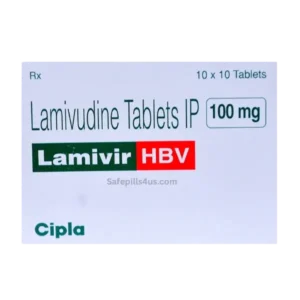
- Lamivudine 100 mg (HBV antiviral; resistance considerations apply)
- Pegylated interferon alfa (injectable option for selected cases)


Reviews
There are no reviews yet.