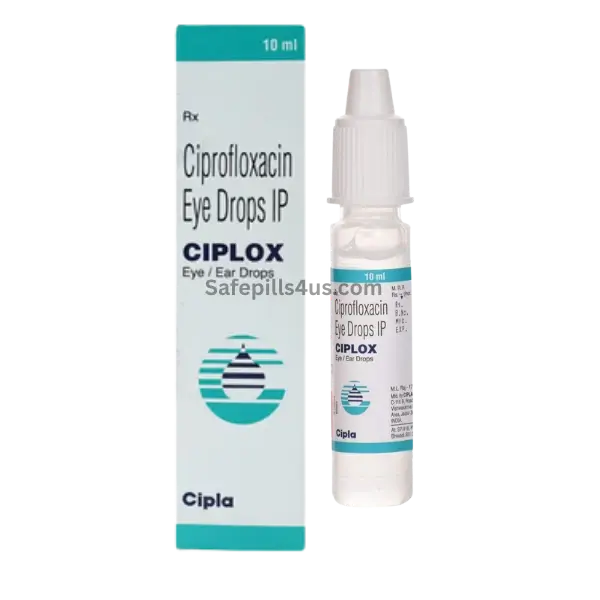
Ciplox 10 ml (Ciprofloxacin 0.3%) – Antibiotic Eye/Ear Drops
Need a dependable antibiotic drop for stubborn eye or ear infections? Ciplox 10 mL packs ciprofloxacin 0.3%, a well-known fluoroquinolone that targets the bacteria causing the problem so the redness, gunk, and pain can start easing up with proper use.
At a glance
| Spec |
Details |
| Brand |
Ciplox 10 mL |
| Active ingredient |
Ciprofloxacin 0.3% w/v (3 mg/mL) |
| Type |
Sterile ophthalmic/otic solution (for eyes and ears, as directed) |
| What it treats |
Bacterial conjunctivitis, corneal ulcers, external ear infections (otitis externa) — only if prescribed |
| Bottle size |
10 mL multi‑dose dropper |
| How it works |
Stops bacterial DNA replication (fluoroquinolone class) |
| Contact lenses |
Remove before use; don’t wear lenses during active infection unless your eye doctor says it’s okay |
| Preservative |
Contains a preservative (often benzalkonium chloride); check the carton for the exact list |
| Rx status |
Prescription use as directed by your healthcare provider |
| Suitable for |
Adults and children when prescribed by a clinician |
What it does
Ciplox is an antibiotic solution made to fight bacteria in the eye or ear. It blocks the enzymes bacteria need to multiply, so the infection can calm down and heal. It won’t help with viruses or fungi, and it’s not a general redness reliever. If your provider diagnosed bacterial conjunctivitis, a corneal ulcer, or otitis externa, this is the type of drop they might choose.
Why people choose Ciplox 10 mL
- Broad antibacterial coverage for many common eye and ear bacteria
- Fast, targeted action right where you apply it
- 10 mL size good for full treatment courses
- Clear instructions, easy dropper cap, and steady dosing
- Trusted by eye and ENT specialists for decades
How to use it (follow your doctor’s plan)
Important: Always use exactly as prescribed. Dosing can change based on your condition and severity.
Eye use (bacterial conjunctivitis or corneal ulcer):
- Wash hands.
- Shake the bottle gently.
- Tilt your head back, pull down the lower lid to make a pocket.
- Instill 1 drop into the affected eye. Don’t touch the tip to your eye or fingers.
- Close eyes for 1–2 minutes and press the inner corner (near the nose) for a minute to keep the drop in place.
- Space other eye meds 5–10 minutes apart.
- Remove contact lenses before each dose; don’t wear them again until your eye doctor clears you.
Ear use (otitis externa):
- Warm the bottle in your hands for a minute so it’s not cold.
- Tilt head or lie on your side with the affected ear facing up.
- Pull the ear gently up and back (adults) or down and back (kids) to straighten the canal.
- Instill the number of drops your clinician prescribed.
- Stay in that position for 1–2 minutes so the drops coat the canal.
- Don’t insert cotton swabs deep into the ear.
Example regimens your provider might use (for reference only—follow your prescription):
| Condition |
Example dosing pattern |
| Bacterial conjunctivitis |
Often 1–2 drops every 2 hours while awake for 2 days, then every 4 hours for up to 5 more days |
| Corneal ulcer |
Intensive start (very frequent dosing), then tapered by your eye specialist |
| Otitis externa |
A set number of drops, usually 2–3 times daily, for a set number of days |
What’s inside
- Active: Ciprofloxacin 0.3% w/v (3 mg/mL)
- Inactive: Sterile solution with buffering agents and a preservative to keep it stable and germ‑free. Exact excipients may vary—check your package insert.
Possible side effects
Most are mild and short‑lived:
- Brief burning or stinging after application
- Temporary blurred vision (eye use)
- Eye redness, irritation, or a bad taste in the mouth after eye dosing (it happens)
- Ear itching or mild discomfort (ear use)
Less common but important:
- Eyelid crusting or a white residue on the eye surface with very frequent dosing (usually temporary)
- Allergic reactions (rash, swelling, severe discomfort). Stop and contact your provider if this happens.
- If symptoms worsen or don’t improve as expected, check back in don’t just keep pushing through.
Safety notes (quick but important)
- For bacterial infections only; not for viral “pink eye” or fungal issues.
- Don’t wear soft contacts during active eye infection unless your doctor says it’s okay (preservatives can stick to lenses).
- Tell your clinician if you’re allergic to quinolones (ciprofloxacin, moxifloxacin, ofloxacin).
- If pregnant, planning, or breastfeeding, ask your provider before use.
- Do not share your dropper with anyone else.
- Ear cautions: Don’t use if you suspect a perforated eardrum unless an ENT specifically told you to.
Storage & handling
- Store at room temperature (around 68–77°F / 20–25°C). Don’t freeze.
- Keep the cap snug and the tip clean—no touching the tip to any surface.
- Use within the period recommended on the carton after opening (many clinics suggest discarding after 28 days).
- Keep out of reach of kids and pets.
FAQ About Ciplox 10 ml
Q: Is Ciplox 10 mL for both eyes and ears?
A: Yes, Ciplox is commonly labeled for ophthalmic/otic use. Your doctor will tell you exactly how and where to use it.
Q: How fast will I feel better?
A: Some relief can show in 24–48 hours, but full recovery takes the full course. Finish every dose—even if you feel “fine” early—unless your provider tells you to stop.
Q: Can I drive after using the eye drops?
A: Wait until your vision is clear. Blurriness right after a dose is normal and usually short.
Q: Do I need to shake the bottle?
A: A gentle shake before use helps keep the solution uniform. It takes two seconds and helps.
Q: Can kids use Ciplox?
A: Yes, when prescribed. The pediatric dose and schedule should come directly from the child’s clinician.
Q: What if I miss a dose?
A: Use it when you remember, unless it’s close to the next one. Don’t double up.
Q: Can I wear contact lenses?
A: Take them out before every dose. Most providers say to avoid lenses until the infection is cleared and you’re given the okay.
Q: Is this the same as Ciplox‑D?
A: No. Ciplox‑D adds a steroid (dexamethasone). Steroid combos are only for specific cases, so use them only if prescribed.
Q: Will it help viral pink eye?
A: No. Antibiotics don’t work on viruses. Your clinician can confirm what type of infection you have.




Reviews
There are no reviews yet.