Antiflu 75 mg (Oseltamivir) – Uses, Dose, Side Effects, and FAQs
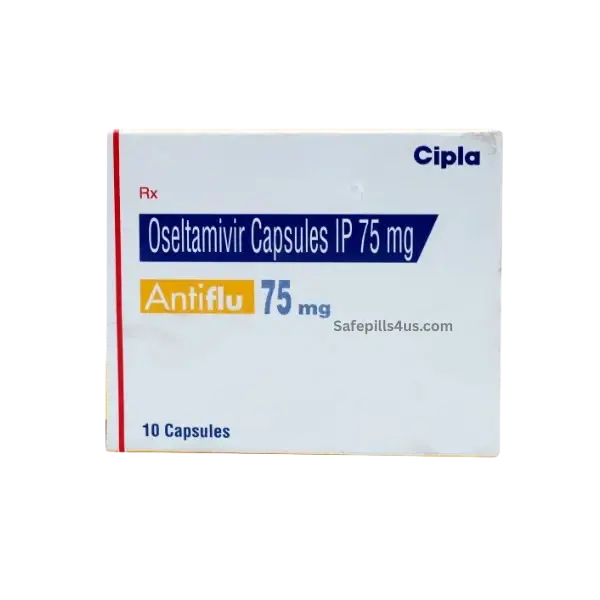
Antiflu 75 mg is a prescription antiviral medicine used for treating and preventing influenza (the flu), including seasonal flu and H1N1. The active ingredient is oseltamivir phosphate. In plain words, it helps stop flu viruses from multiplying in your body, so symptoms ease up faster and complications are less likely. It isn’t a cold cure or a general “fever pill,” and it works best when you start it early ideally within 48 hours of flu symptoms.
What is Antiflu 75 mg?
Antiflu 75 mg is an antiviral capsule with oseltamivir. It’s part of a group called neuraminidase inhibitors. That sounds technical, but here’s the simple version: the flu virus needs an enzyme (neuraminidase) to break free and spread from cell to cell. Antiflu blocks that enzyme. Less spread means the infection doesn’t hit as hard or as long.
It’s widely used in adults and in children (lower strengths or liquid forms are used for kids), especially when the flu is confirmed or strongly suspected. Doctors may also prescribe it to prevent flu after a confirmed exposure, particularly for people at higher risk of complications.
What is it used for?
- Treatment of acute, uncomplicated influenza in adults and children, when symptoms started no more than 48 hours ago
- Prevention (prophylaxis) after close contact with someone who has the flu, or during community/household outbreaks usually for people at risk or in settings where spread is likely
Important note: Antiflu targets influenza A and B. It does not treat the common cold, COVID-19, or other respiratory infections.
How Antiflu works (in plain words)
Flu viruses multiply fast. Antiflu steps in and blocks a key tool the virus uses to escape infected cells. That slows down how quickly it spreads in your body. The earlier you take it, the more difference it can make often cutting symptom duration by about a day and helping reduce the chance of complications like ear infections in kids or pneumonia in adults.
Who can use it
- Adults with suspected or confirmed flu
- Children (dose adjusted by weight; often a liquid form is used)
- People exposed to someone with flu, if a doctor decides prevention is appropriate (for example, elderly adults, people with chronic illnesses, or those in close-contact environments)
Who should be careful or avoid it:
- Anyone allergic to oseltamivir or any capsule ingredient
- People with significant kidney problems (dose adjustments are often needed)
- Those with a history of severe skin reactions or unusual neuropsychiatric symptoms related to antivirals (rare—talk to your doctor)
- Pregnant or breastfeeding individuals should consult their doctor promptly; antivirals are often recommended during pregnancy when benefits outweigh risks, but it must be guided by a clinician
How to take Antiflu 75 mg
Always follow your prescriber’s instructions. Typical adult guidance is:
For treatment (adults):
- 75 mg twice daily for 5 days
- Start as soon as possible after symptoms begin, ideally within 48 hours
For prevention (adults):
- 75 mg once daily
- Duration varies: commonly 10 days after close contact; longer courses may be used during community outbreaks or for high-risk individuals as advised by a doctor
Children:
- Pediatric dosing is based on body weight and age. Many children receive a liquid form. Don’t guess the dose—your doctor or pharmacist will calculate it.
Kidney problems:
- Your doctor may lower the dose or change how often you take it. Don’t adjust on your own.
With food or without?
- You can take Antiflu with or without food. Taking it with food may reduce nausea.
Missed dose:
- If you miss a dose, take it when you remember unless it’s nearly time for the next one. Don’t double dose.
Overdose:
- Get medical help immediately if too much is taken. Symptoms may include nausea, vomiting, dizziness, or confusion.
What to expect
- If started early, Antiflu can shorten how long you feel sick and may reduce how severe symptoms are.
- It isn’t an instant fix. You might start to feel relief within a day, but rest and fluids still matter.
- It doesn’t replace your flu vaccine. Think of it as a backup plan when flu hits or when prevention is needed after exposure.
Possible side effects
Most side effects are mild and temporary. Not everyone gets them.
Common:
- Nausea or vomiting (often better if taken with food)
- Headache
- Diarrhea or stomach pain
- Dizziness or fatigue
- Trouble sleeping
Less common but serious (get medical help quickly):
- Severe skin reactions (rash, blistering, peeling)
- Swelling of face, lips, tongue, or throat; breathing difficulty (possible allergy)
- Confusion, unusual behavior, agitation, hallucinations (neuropsychiatric events), more often reported in children and teens
- Severe vomiting or dehydration
- Abnormal heart rhythm (rare)
If something feels off, don’t wait speak to a healthcare professional.
Interactions to watch for
- Live attenuated influenza vaccine (LAIV), the nasal spray type: Antiflu can reduce how well the nasal flu vaccine works. As a general rule, avoid taking oseltamivir for 48 hours before to up to 2 weeks after receiving the nasal spray vaccine. If timing overlaps, your provider may suggest another plan or an injectable (inactivated) vaccine instead.
- Probenecid: Can increase oseltamivir levels, so dose adjustments may be considered.
- Other significant drug interactions are uncommon, but always share your complete medication and supplement list with your doctor and pharmacist.
Important precautions
- Start early: The sooner you begin Antiflu after symptoms, the better the benefit.
- Not a cure-all: It’s specific to influenza. If your test is negative or your doctor suspects another illness, they may change your treatment.
- Kidney function: Dose may need adjustment if you have reduced kidney function.
- Pregnancy and breastfeeding: Many guidelines support using oseltamivir when flu is suspected in pregnancy due to higher risk of complications. Your doctor will weigh benefits and risks. If you’re breastfeeding, ask about timing and monitoring.
- Children and older adults: Often used safely with the right dose. Watch closely for side effects, especially unusual behavior in younger patients.
- Resistance: Some flu strains can be resistant to antivirals. Your clinician will consider local patterns and testing when available.
Storage and handling
- Store at room temperature, away from moisture and direct heat.
- Keep capsules in the original blister or bottle until use.
- Keep out of reach of children and pets.
- Do not use past the expiry date on the pack.
What’s inside the capsule
- Each capsule contains oseltamivir phosphate equivalent to 75 mg of oseltamivir (active ingredient).
- Inactive ingredients (excipients) vary by manufacturer. If you have allergies to certain dyes or lactose, check the pack leaflet or ask your pharmacist to confirm.
When to see a doctor urgently
- Breathing problems, chest pain, or bluish lips
- High fever not settling, severe dehydration, or persistent vomiting
- Sudden confusion, seizures, or unusual behavior changes (especially in kids)
- Rash with blisters or peeling skin
- Worsening symptoms after initial improvement
Simple tips for better results
- Start the medicine as soon as you can after symptoms begin.
- Rest, hydrate, and keep nutrition simple—light meals can help if your stomach is upset.
- Don’t share your medicine with family or friends. Doses are individualized.
- If multiple people in your home have flu, ask your doctor if prevention dosing is right for other members.
Who should not take Antiflu 75 mg?
- Anyone with a known allergy to oseltamivir or any capsule ingredient
- People your doctor advises against treatment due to specific medical reasons (rare). When unsure, ask the prescriber—better safe than sorry.
Common signs of flu (so you know when to act)
- Sudden fever, chills
- Cough, sore throat
- Runny or stuffy nose
- Body aches, headache, extreme tiredness
- Sometimes vomiting or diarrhea (more in children)
If these pop up, especially during flu season, contact your healthcare provider quickly. Early treatment matters.
Frequently Asked Questions (FAQ)
Q: What is Antiflu 75 mg used for?
A: It’s used to treat influenza (flu) and to prevent it after exposure. It works best when started within 48 hours of symptoms.
Q: Is Antiflu the same as Tamiflu?
A: Antiflu contains the same active ingredient (oseltamivir) as Tamiflu. They’re different brands but work in the same way.
Q: How long should I take it?
A: For adults, flu treatment is usually 5 days. For prevention, it’s commonly once daily for at least 10 days after exposure. Your doctor may change the duration based on your situation.
Q: Can I give Antiflu 75 mg to my child?
A: Children can take oseltamivir, but the dose is based on weight and may require a different strength or an oral suspension. Don’t use adult capsules for kids unless your doctor instructs you exactly how.
Q: Does Antiflu cure the flu?
A: It doesn’t “cure” the flu instantly, but it helps shorten how long you’re sick and can make symptoms milder, especially if you start early.
Q: Can I take it if I’m pregnant?
A: Talk to your doctor right away. Pregnancy increases flu risks, and antivirals like oseltamivir are often recommended when benefits outweigh risks. The decision should be made with your clinician.
Q: What if I throw up after taking a capsule?
A: If you vomit shortly after a dose, you might not have absorbed it. Contact your pharmacist or doctor for advice on whether to repeat the dose. Try taking it with food next time.
Q: Does it interact with the flu vaccine?
A: It can interfere with the nasal spray (live) flu vaccine. Timing matters—avoid taking oseltamivir for 48 hours before to up to 2 weeks after the nasal vaccine unless your doctor advises otherwise. The injected flu shot isn’t affected.
Q: Will Antiflu help with a cold or COVID-19?
A: No. It’s specific to influenza A and B viruses. It doesn’t work for common colds or COVID-19.
Q: Can I drink alcohol while taking Antiflu?
A: Moderate alcohol doesn’t have a known direct interaction, but since you’re sick, alcohol can worsen dehydration and fatigue. Most people avoid it until they feel better.
Q: What side effects should I watch for?
A: Nausea, vomiting, headache, and dizziness are most common. Seek help right away for severe rash, swelling, breathing issues, or unusual behavior changes.
Q: What if I start later than 48 hours after symptoms?
A: Benefit is strongest when started early. Sometimes doctors still prescribe it for severe illness, hospitalization, or high-risk patients even if more than 48 hours have passed. Follow your clinician’s advice.
Q: Do I need to finish the course if I feel better?
A: Yes. Complete the full course unless your prescriber tells you otherwise.
Related products
- Antiflu 30 mg (Oseltamivir) – lower strength for pediatric dosing or dose adjustments
- Antiflu 45 mg (Oseltamivir) – intermediate strength for weight-based dosing
- Oseltamivir oral suspension – for children and adults who cannot swallow capsules
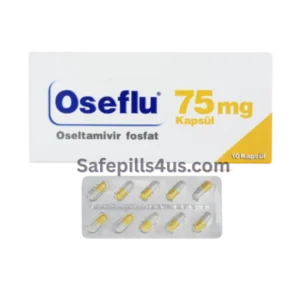
- Generic Oseltamivir 75 mg capsules – same active ingredient, different brand presentation
- Zanamivir inhalation powder (another neuraminidase inhibitor; suitability depends on your doctor’s advice)





Reviews
There are no reviews yet.