
Labia Minora Menopause: Normal Changes or a Serious Problem?

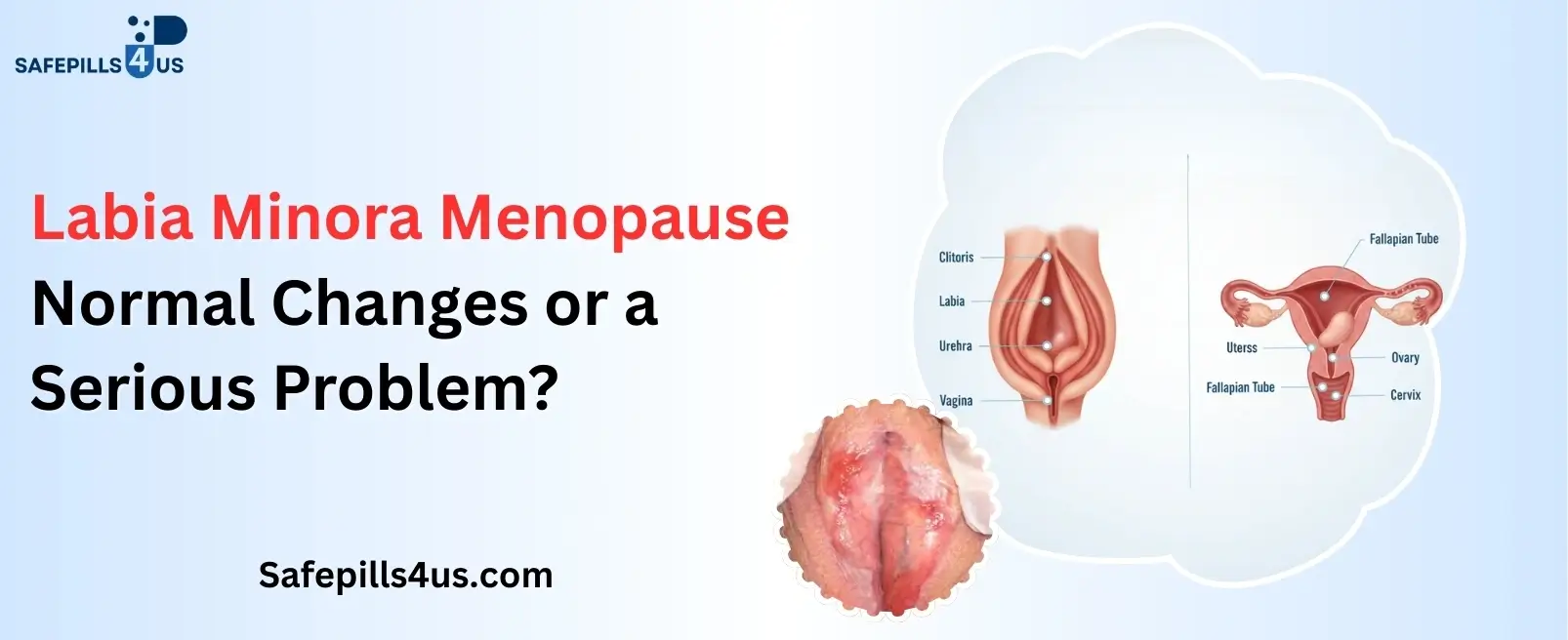
Understanding Labia Minora Menopause Changes
What Estrogen Has Been Doing for You All Along
For most of your adult life, estrogen has been quietly working behind the scenes to keep your vulvar tissues healthy. It keeps the labia minora soft and stretchy. It maintains a layer of fat underneath the skin that gives the labia their shape. It pushes blood to the area so the tissue stays nourished. It keeps everything moisturized from the inside out.
Then menopause comes along. Your ovaries slow down production. Estrogen levels drop. And suddenly all those tissues that depended on estrogen start to feel the absence.
How Labia Minora Menopause Changes Actually Show Up
Normal Changes vs. Warning Signs
| Normal | See a Doctor |
|---|---|
| Gradual shrinking | Sudden or rapid changes |
| Mild dryness | Persistent itching that won't stop |
| Slight color change | White, red, or dark patches |
| Less fullness | Lumps, sores, or open wounds |
| Minor irritation | Pain during sitting or walking |
The changes are usually gradual. One day you might glance down and think something looks a little different. Over the next few months or years, those small differences add up.
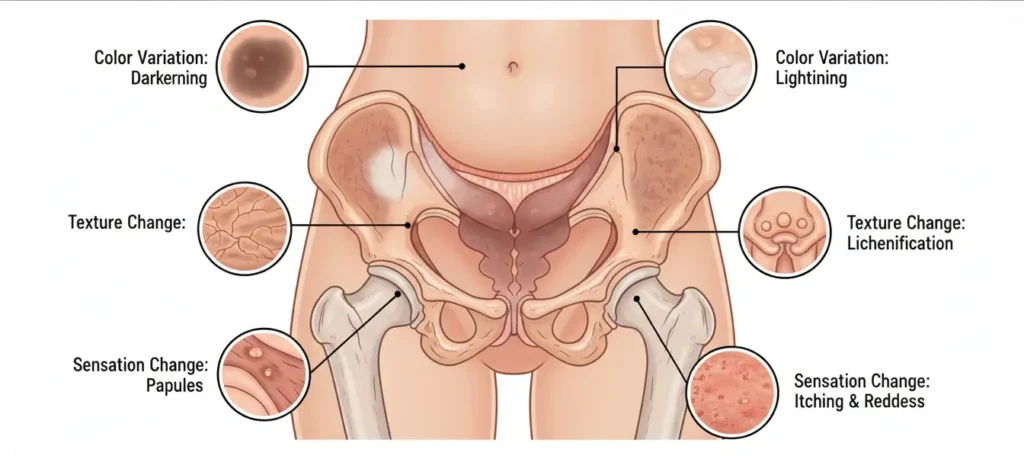
The labia minora often become thinner. The skin can start to look papery or wrinkled where it used to be smooth. Some women notice that the colour changes, becoming paler or lighter than it used to be. The inner lips might look flatter or less defined. In some cases they seem to shrink noticeably.
Every woman experiences labia minora menopause changes differently. For some it is barely noticeable. For others the difference is significant enough to cause concern. Both experiences are completely valid.
What Doctors Consider Normal
Gynecologists see these changes every single day. In the medical world, labia minora menopause changes fall under something called Genitourinary Syndrome of Menopause. That is just a fancy term for saying that the genital and urinary tissues are affected by low estrogen.
Roughly half of all women going through menopause deal with some version of this. Thinner labia, drier skin, less fullness. All within the range of normal. The fact that nobody warned you about it does not make it abnormal. It just makes it poorly communicated.
Do Your Labia Minora Disappear During Menopause
This question comes up more often than you would think. Women search for things like "labia disappearing menopause" and "does your labia fall off during menopause" in surprisingly high numbers. The fear behind those searches is real, even if the worst case scenario is not.
Clearing Up the Biggest Myth
Your labia do not fall off. They do not detach from your body. They do not vanish. This is a myth born out of fear and a complete lack of honest conversation about labia minora menopause changes.
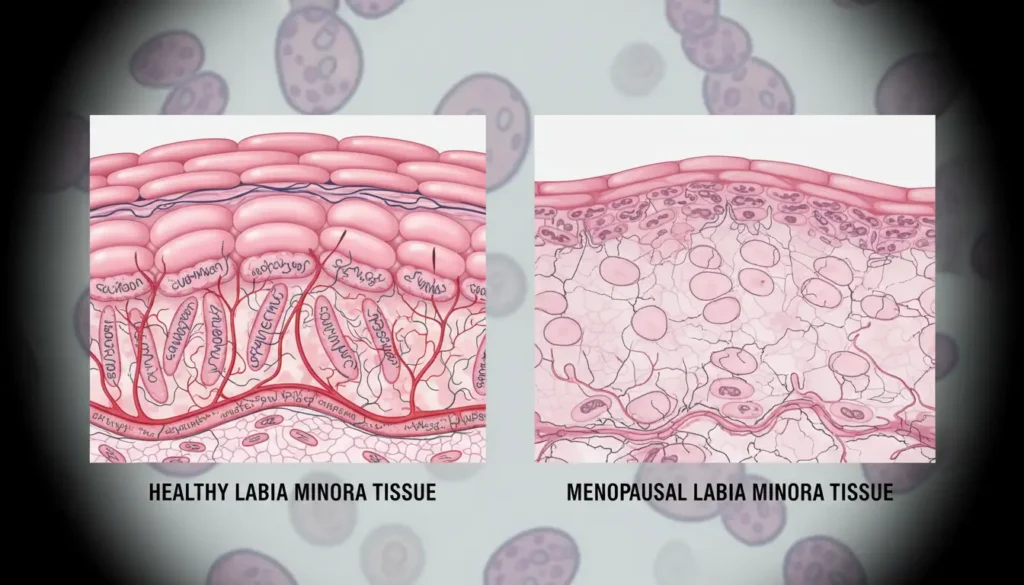
What actually happens is that the tissue loses volume. The fat layer underneath gets thinner. Collagen breaks down. The labia minora become less prominent. Visually this can look like they are shrinking or fading. But structurally they are still right where they have always been.
Why It Looks Like Things Are Disappearing
When the labia minora lose fat and collagen, they flatten out. The edges become less defined. In some women the inner lips get so thin that they seem to blend into the surrounding skin. From a visual standpoint it genuinely can look like they are disappearing.
Some women also develop something called labial adhesions. This happens when the dry thin skin of the labia minora sticks together partially. It can make things look even more different than they actually are. Adhesions sound scary but they are treatable and not dangerous in most cases.
The Real Reason Behind Labia Shrinking
Labia minora menopause shrinking comes down to a combination of factors all happening at once. Estrogen drops. Collagen production slows down. The small fat pads under the skin reduce in size. Blood flow to the area decreases. Less blood means less oxygen and fewer nutrients reaching the tissue.
It is not one thing causing the change. It is everything shifting together because the hormonal foundation that held it all in place is no longer there.
Other Changes That Come Along With Labia Minora Menopause
The labia minora are not the only part of the vulva affected by menopause. Most women notice changes across the entire area.
The skin of the vulva can become dry and fragile. Tiny tears or cracks can appear from everyday activities like wiping or wearing snug clothing. Itching is extremely common, sometimes constant, sometimes coming and going. The overall color of the vulva might change, with some areas becoming lighter or developing a whitish look.
Many women also experience a burning feeling, especially when urinating or sitting for extended periods. Intimacy can become uncomfortable because the tissue is no longer as flexible or lubricated as it used to be.
I talked to a woman who spent over a year avoiding intimacy with her partner because of vulvar discomfort she could not explain. She thought she just had to live with it. When her doctor prescribed a simple topical estrogen cream for her labia minora menopause symptoms, she was amazed at how quickly things improved. She told me she wished she had spoken up a year earlier.
When Labia Minora Menopause Changes Become a Problem
Most of the time these changes are just your body adapting to lower hormone levels. But there are moments when you should pay attention and take action.
Knowing the Difference Between Normal and Concerning
Normal labia minora menopause changes are gradual. They develop over months or years. Mild dryness, slight shrinking, minor color shifts. All of this falls within the expected range.
But certain things should prompt a visit to your doctor. Itching that never lets up regardless of what you try. White patches that appear on the vulvar skin and do not go away. Any new lump or raised area that was not there before. Open sores that refuse to heal. Pain that makes sitting or walking difficult.
What Your Doctor Might Look For
If you bring up concerns about labia minora menopause changes, your gynecologist may want to examine you for a few specific conditions.
Lichen sclerosus is a skin condition that causes white patches and makes the vulvar skin extremely thin and fragile. It needs treatment to prevent scarring. Vulvar dermatitis can be triggered by soaps, detergents, or other products that irritate the sensitive skin Infections, both yeast and bacterial, can create symptoms that overlap with menopausal changes. And in rare cases your doctor will want to rule out vulvar cancer, especially if there are unusual growths or persistent sores.
Treating Labia Minora Menopause Changes
You have more options than you probably realize. And most of them are straightforward and effective.
Topical Estrogen Therapy
This is the number one treatment that doctors recommend for labia minora menopause changes. A prescription estrogen cream is applied directly to the vulvar area. It works right where it is needed, restoring moisture, thickening the skin, and improving elasticity.
Because the cream acts locally, very little estrogen gets absorbed into the rest of your body. Most women start to feel a difference within two to three weeks of regular use. For many women this single treatment makes a dramatic improvement in their comfort and quality of life.
If you have a history of hormone sensitive cancer, talk to your doctor about whether topical estrogen is right for you. There are also non hormonal alternatives worth discussing.
Daily Moisturizers and Lubricants
Over the counter vaginal moisturizers can help manage daily dryness. Products containing hyaluronic acid are particularly good at attracting and holding moisture in the tissue. These are meant for regular use, not just during intimacy.
Lubricants serve a different purpose. They reduce friction during sexual activity and help prevent the tiny tears that can happen when tissue is thin and dry. Water based or silicone based lubricants are both good options depending on your preference.
Advanced Treatments
Some clinics now offer laser therapy or radiofrequency treatments that stimulate collagen production in vulvar tissue. These are newer options and the long term research is still building. They can be effective for some women but they tend to be expensive and are rarely covered by insurance.
If this interests you, find a provider who has specific training and experience in treating labia minora menopause changes with these technologies. Not all practitioners are equally qualified.
Everyday Habits That Help
Small changes in your daily routine can support your vulvar health more than you might expect.
Choose cotton underwear and avoid tight synthetic fabrics that trap heat and moisture. Wash the vulvar area with warm water only, or if you must use a cleanser, make sure it is fragrance free and extremely gentle. Never use douches or scented products near your vulva. Drink plenty of water throughout the day because hydration affects your skin everywhere, including down there.
Some women find that applying a thin layer of coconut oil or vitamin E externally provides soothing moisture. This is not a replacement for medical treatment but it can complement it nicely. Just check with your doctor first if you are prone to infections.
When Surgery Comes Into Play
Surgery for labia minora menopause changes is extremely rare. The only real scenario where it might be considered is when labial adhesions are severe and have not responded to estrogen therapy. Even then the procedure is minor, recovery is quick, and most women do well afterward.
Living Well With Labia Minora Menopause Changes
Menopause is not something that happens once and then you move on. Your body continues to adjust for years after your last period. That means taking care of your vulvar health is an ongoing commitment, not a one time fix.
Keep Up With Your Gynecologist
A lot of women stop seeing their gynecologist after menopause because they assume there is no longer a reason to go. That could not be further from the truth. The postmenopausal years are when conditions like lichen sclerosus and vulvar atrophy are most likely to show up. Regular exams catch problems before they become serious.
Get Familiar With Your Own Body
Take a few minutes once a month to look at your vulva with a hand mirror. This is not vanity. It is self awareness. When you know what is normal for you, you are much more likely to notice when something changes. That early awareness can be the difference between a simple treatment and a complicated one.
Have the Conversation
I know talking about labia minora menopause changes feels awkward. Even reading this article might have made you a little uncomfortable at first. But your gynecologist has these conversations every single day. Nothing you say will surprise them and nothing you ask will be considered silly.
Your health matters more than a few minutes of awkwardness. Push past the embarrassment and speak up.
Do Not Forget the Emotional Side
Watching your body change in such personal ways can take a toll on your confidence and your relationship with yourself. These feelings are real and they are valid.
If menopause is affecting how you see yourself, consider talking to a therapist who understands women's health transitions. Menopause support groups, both online and in person, can also be incredibly comforting. Hearing other women share their experiences and knowing that you are not alone in this makes a bigger difference than you might expect.
Questions Women Frequently Ask About Labia Minora Menopause
Do you lose your labia minora during menopause?
Does your labia fall off during menopause?
Can labia shrinking during menopause be reversed?
Does estrogen cream help with labia minora menopause changes?
Is it normal for labia to look like they are disappearing?
When should I talk to my doctor about vulvar changes?
Conclusion
Labia minora menopause changes are one of the most normal and common things that happen to women as they age. They are also one of the least discussed. That silence leaves women feeling confused, worried, and sometimes genuinely frightened about what is happening to their bodies.