Description
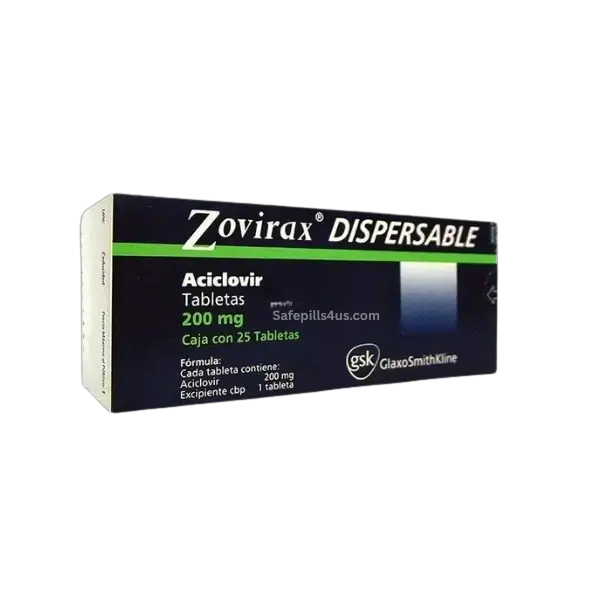
Zovirax 200 mg – Acyclovir Tablets for Fast, Targeted Herpes Relief
Zovirax 200 mg is a trusted antiviral tablet used to treat herpes infections. The active ingredient is acyclovir, a well‑known medicine that helps stop the herpes virus from multiplying. It won’t “cure” herpes (no oral treatment can do that), but it can shorten the outbreak, ease symptoms, and help the skin heal faster. It’s commonly prescribed for genital herpes and recurrent cold sores, and, in some cases, for ongoing suppression to reduce how often outbreaks happen.
In plain words: Zovirax 200 mg is here to calm things down when herpes flares up—and help keep future flare‑ups in check if your doctor puts you on a prevention plan.
What Zovirax 200 mg Is Used For
- Genital herpes (HSV‑2): treatment of first episodes and recurrences
- Cold sores/fever blisters (HSV‑1): treatment of outbreaks
- Suppressive therapy: helps reduce how often outbreaks occur if you get them a lot
- Prevention in certain patients with weak immune systems (doctor‑directed)
Quick heads‑up:
- For shingles (herpes zoster) and chickenpox (varicella), acyclovir is also used, but doses are usually higher (like 800 mg tablets). Zovirax 200 mg is typically for HSV outbreaks, not shingles. Always follow the exact dose your prescriber gives you.
How It Works (Simple Version)
Acyclovir is like a decoy building block. The virus tries to copy its DNA during an outbreak, but acyclovir sneaks in and stops the process. That slows the virus down so your body can catch up, symptoms settle, and healing speeds up. It works best when you start early—ideally at the first tingle, burn, or itch.
Who Can Use It
- Adults and teens as prescribed
- Some children may be prescribed acyclovir by a pediatrician for specific infections (dose is weight‑based—doctor decides)
- Not for anyone allergic to acyclovir or valacyclovir
Talk to your prescriber first if you:
- Have kidney problems or are dehydrated
- Are older (your doctor may adjust the dose)
- Are pregnant or breastfeeding (acyclovir is commonly used when needed, but you should still confirm)
- Take other medicines that stress the kidneys
Key Benefits
- Helps shorten the length and severity of herpes outbreaks
- Reduces pain, itch, and tenderness
- Supports faster skin healing
- When used daily as suppression, it can reduce how often outbreaks happen
- Well‑studied and widely used by doctors worldwide
What’s Inside
- Active ingredient: Acyclovir 200 mg per tablet
- Inactive ingredients: vary by manufacturer (may include fillers, binders, and tablet coatings). If you have allergies or need to avoid lactose or certain dyes, check the packaging or ask your pharmacist.
How To Take Zovirax 200 mg
Use exactly as prescribed. Don’t guess or self‑dose.
General guidance (for adults, as commonly prescribed—your doctor may choose differently):
- First episode of genital herpes: often 200 mg five times a day (about every 4 hours while awake) for 7–10 days
- Recurrent genital herpes or cold sores: often 200 mg five times a day for 5 days
- Suppression (to prevent frequent outbreaks): common regimens include 400 mg twice daily, or sometimes 200 mg four times daily—your prescriber will pick what fits you
Simple tips:
- Start at the earliest sign (tingle, burn, itch). Sooner is better.
- Take with a full glass of water. Stay hydrated—your kidneys will thank you.
- With or without food is fine. If your stomach feels off, take with food.
- Swallow tablets whole. If you struggle to swallow, ask your pharmacist about options.
Missed a dose?
- Take it when you remember unless it’s close to the next dose.
- Don’t double up. Just get back on track.
Overdose?
- If you’ve taken far more than prescribed or feel unwell, seek medical help promptly.
How Long To Use It
- Outbreak treatment: usually 5–10 days depending on severity and whether it’s a first episode
- Suppression: often reviewed every 6–12 months to see if you still need it
Stick to the full course even if you start feeling better. Stopping too early can reduce the benefit.
Side Effects
Most people do fine on acyclovir, but like any medicine, it can have side effects.
Common (usually mild):
- Headache
- Nausea, stomach upset, or diarrhea
- Dizziness or tiredness
- Skin dryness or sensitivity around the outbreak (from the virus itself too)
Less common but important:
- Rash or hives, facial swelling, trouble breathing (allergic reaction—get help fast)
- Unusual bruising, severe fatigue, or yellowing of skin/eyes (rare—seek care)
- Kidney‑related symptoms: lower back pain, little urine, swelling in legs/feet (rare; more likely if dehydrated or you have kidney issues)
- Confusion, agitation, or tremors (rare; more likely with kidney problems or very high doses)
If anything feels off and doesn’t settle, talk to your doctor or pharmacist.
Warnings & Precautions
- Hydration: drink enough water daily, especially if you’re taking multiple doses
- Kidneys: dose may need adjusting if your kidneys don’t work perfectly
- Elderly: may be more sensitive—doctor may use a lower dose
- Immunocompromised: follow your specialist’s plan closely
- Driving/alert tasks: acyclovir doesn’t usually cause drowsiness, but if you feel dizzy, hold off on those tasks
Drug Interactions
Acyclovir is generally easy to combine with other meds, but some can raise its levels or increase kidney stress. Tell your prescriber about everything you take, including over‑the‑counter meds and supplements.
Notable considerations:
- Probenecid or cimetidine: can increase acyclovir levels
- Mycophenolate mofetil: levels of both drugs may increase
- Other kidney‑affecting medicines: high‑dose NSAIDs, aminoglycosides, amphotericin B, cyclosporine, tacrolimus, lithium, and contrast dyes your doctor may monitor you more closely
- Always keep a running list of your meds and share it at appointments
Tips For Best Results
- Start early: first tingle or sign of an outbreak—don’t wait
- Stay consistent: take it on schedule; set phone reminders if helpful
- Hydrate: simple but important
- Don’t share: your prescription is just for you
- Safe practices: if you have genital herpes, use condoms and avoid intimate contact during outbreaks—this helps protect partners even while you’re on treatment
- Skincare: keep the area clean and dry; avoid picking at scabs so skin can heal smoothly
Storage & Handling
- Store at room temperature, away from moisture and direct heat
- Keep tablets in their original blister or bottle with the cap tightly closed
- Keep out of reach of children and pets
- Don’t use past the expiry date on the pack
Who Should Not Use Zovirax 200 mg
- Anyone with a known allergy to acyclovir or valacyclovir
- People advised by their doctor not to take it due to specific medical reasons (always follow medical guidance)
If you’re unsure, ask your pharmacist. Quick chat now can save headaches later.
What You’ll Receive
- Zovirax (acyclovir) 200 mg tablets
- Pack sizes vary by brand and region (commonly blister strips or bottles). Always check your label for exact count and dosing directions.
Quick FAQs
Q: What is Zovirax 200 mg used for?
A: It’s an antiviral tablet (acyclovir) used mainly for treating and preventing herpes simplex outbreaks—genital herpes and cold sores. It helps shorten healing time and reduce symptoms.
Q: Will it cure herpes?
A: No. Herpes is lifelong, but Zovirax helps control it—shorter outbreaks, milder symptoms, and fewer recurrences if used as suppressive therapy.
Q: How fast does it work?
A: Many people feel improvement within 24–48 hours if they start early. Full healing still takes days. First episodes usually last longer than recurrences.
Q: How do I take Zovirax 200 mg for an outbreak?
A: Follow your prescription. A common plan is 200 mg five times daily for 5 days (recurrence) or 7–10 days (first episode). Your doctor may use a different schedule based on your case.
Q: Can I use it to prevent outbreaks?
A: Yes—doctors often prescribe daily “suppression” if you get frequent outbreaks. A common regimen is 400 mg twice daily or 200 mg four times daily. Your prescriber will tailor the plan.
Q: Is it safe in pregnancy or while breastfeeding?
A: Acyclovir is often used when needed during pregnancy and is generally considered compatible with breastfeeding. Still, always confirm with your healthcare provider before use.
Q: Can I drink alcohol with Zovirax?
A: Moderate alcohol doesn’t directly interact with acyclovir, but staying hydrated is important. If alcohol makes you dehydrated or woozy, go easy.
Q: What if I have kidney problems?
A: Your doctor may adjust the dose and ask you to drink extra fluids. Never self‑adjust—get a plan that fits your kidneys.
Q: What are the common side effects?
A: Headache, nausea, mild stomach upset, and dizziness can happen. Serious reactions are rare, but seek help if you notice a rash, swelling, trouble breathing, or unusual fatigue.
Q: Can I take it with my other meds?
A: Often yes, but some drugs can affect your kidneys or acyclovir levels. Share your full med list (including supplements) with your doctor or pharmacist.
Q: Does Zovirax help shingles?
A: Acyclovir treats shingles, but usually at higher doses (e.g., 800 mg tablets). Don’t use 200 mg for shingles unless your doctor specifically instructs it.
Q: Do I need to keep taking it after symptoms stop?
A: Complete the full course for outbreaks unless your doctor says otherwise. For suppression, don’t stop without discussing a review plan first.
Q: Is there a specific time of day to take it?
A: Not strictly, but spreading doses evenly (for example, every 4 hours while awake if you’re on the five‑times‑daily schedule) keeps levels steady.
Q: Can I crush the tablets?
A: Acyclovir tablets aren’t extended‑release, but always check with your pharmacist first. If you have swallowing difficulties, they’ll guide you.
Q: How do I reduce the chance of passing herpes to a partner?
A: Use condoms, avoid intimate contact during outbreaks or prodrome (tingle/itch), and consider suppressive therapy if recommended. Honest conversations help, too.




Reviews
There are no reviews yet.