Description
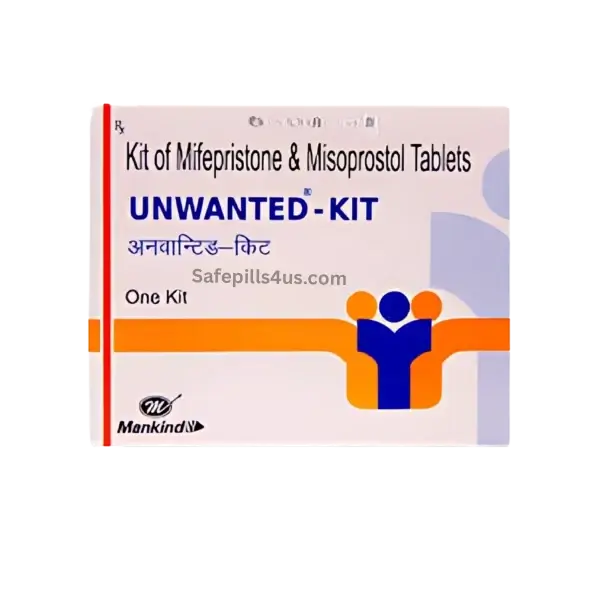
Unwanted – Kit (Mifepristone/Misoprostol) — Early Pregnancy Termination, Doctor‑Directed
Need a clear, straight answer about this kit? Unwanted – Kit is a prescription pack used for medical termination of early pregnancy under a clinician’s guidance. It typically combines one mifepristone tablet and four misoprostol tablets. In simple words: mifepristone starts the process, misoprostol completes it by causing the uterus to empty.
Important notes up front:
- Use only as prescribed by a qualified healthcare professional
- Legal status and access vary by country and region
- Not for ectopic pregnancy (a pregnancy outside the uterus)
- You should know how far along the pregnancy is before using it
Why people consider Unwanted – Kit
- Non‑surgical option for early pregnancy termination
- Usually completed at home with remote or in‑person medical support
- High effectiveness in early weeks when used correctly
- Clear steps and predictable timeline for most users
What’s in the pack (and what each part does)
- Mifepristone 200 mg: blocks progesterone, the hormone that keeps a pregnancy going. This “turns off” support to the pregnancy.
- Misoprostol 200 mcg (often 4 tablets): causes the uterus to contract and expel pregnancy tissue.
Brands and pack layouts can differ by country, but the usual setup is 1 tablet of mifepristone + 4 tablets of misoprostol.
Who can use it (and who should not)
Good candidates, when a clinician agrees:
- Adults seeking early medical abortion and who can access medical help if needed
- Confirmed intrauterine pregnancy (inside the uterus), within the approved gestational age window in your region
Avoid or talk to your doctor first if:
- You have an ectopic pregnancy or symptoms suggesting it (one‑sided severe pain, shoulder pain, fainting, very light bleeding with strong pain)
- You have an IUD in place (it should be removed first)
- You’re on long‑term corticosteroids, have chronic adrenal failure, or bleeding disorders
- You’re taking anticoagulants (blood thinners) or have severe anemia
- You’re allergic to mifepristone or misoprostol
- You have uncontrolled asthma or serious medical conditions without close supervision
Pregnancy/breastfeeding: This kit is used to end a pregnancy; if you’re breastfeeding, ask your clinician about timing and any milk precautions after misoprostol.
How it works
- Step one: Mifepristone blocks progesterone. The lining of the uterus starts to break down.
- Step two: Misoprostol makes the uterus contract and expel the pregnancy. You’ll get cramping and bleeding—often like a heavy period, sometimes heavier.
Effectiveness is high in early pregnancy when used exactly as directed. Some people need an extra misoprostol dose, and a small number may need a procedure afterward to complete the process.
How it’s typically used (clinician‑guided)
Always, always follow your doctor’s exact plan. The below is common medical guidance to help you understand the process it’s not a DIY instruction.
- Mifepristone: Take one 200 mg tablet first.
- Misoprostol: Usually taken 24–48 hours later. Many protocols use 800 mcg total (four 200 mcg tablets) placed buccally (in the cheek), sublingually (under the tongue), or vaginally. If needed, an additional 800 mcg dose may be advised after several hours, depending on progress and gestational age.
What you might feel
- After mifepristone: some people feel nothing, others get light spotting or mild cramps.
- After misoprostol (within a few hours): strong cramps, bleeding, and passing clots/tissue. This is expected. Bleeding is usually heaviest in the first 4–6 hours, then settles. Lighter bleeding or spotting can continue for 1–2 weeks (sometimes longer).
- Symptoms like nausea, chills, diarrhea, or a low‑grade fever are common around misoprostol time, and they often fade within a day.
Red‑flag signs: get urgent care now
- Soaking two or more large pads per hour for two hours in a row
- Severe belly pain that doesn’t improve with pain medicine or keeps getting worse
- Fever of 38.0°C (100.4°F) or higher lasting more than 24 hours after taking misoprostol, or a sudden high fever and feeling very unwell
- Foul‑smelling discharge, or persistent heavy bleeding beyond what your clinician described
- Dizziness, fainting, or signs of ectopic pregnancy
Pain relief and comfort tips
Ask your clinician what’s right for you, but many people use:
- Ibuprofen or another NSAID for cramping (avoid aspirin since it may increase bleeding)
- A heating pad or hot water bottle on the lower belly
- Light, easy foods and steady fluids
- A trusted person nearby the day you take misoprostol
Aftercare and follow‑up
- You’ll need a follow‑up (often 1–2 weeks later). This may be a pregnancy test, blood test, telehealth check‑in, or an ultrasound if needed.
- Fertility can return fast—sometimes within 1–2 weeks. Discuss contraception options you can start right away (pills, patch, ring, shot, implant, IUD—whatever fits your plans).
- If you’re Rh‑negative, your clinician may talk about anti‑D (Rho(D)) immunoglobulin based on local guidance and gestational age.
Possible side effects
Common, usually short‑lived:
- Cramping, heavy bleeding
- Nausea, vomiting, diarrhea
- Headache, dizziness, tiredness
- Fever/chills around the time of misoprostol
Less common but important:
- Excessive bleeding needing medical treatment
- Infection
- Incomplete abortion (may require extra misoprostol or a procedure)
Interactions and cautions
- Corticosteroids: mifepristone can reduce steroid effectiveness tell your doctor if you’re on long‑term steroids
- Blood thinners and bleeding disorders: higher bleeding risk needs careful medical oversight
- NSAIDs: like ibuprofen are generally okay for pain, but avoid aspirin unless your clinician says otherwise
- Alcohol: best avoided on treatment days you may feel worse and bleeding can be harder to judge
Before you start: simple safety checklist
- Confirm pregnancy and how many weeks along you are
- Rule out ectopic pregnancy if there are risk factors or symptoms
- Share your full medical history and medication list
- Have a plan for follow‑up and a number to call 24/7 if you’re worried
- Make sure you can rest on the day you take misoprostol (arrange help if you can)
Storage and handling
- Keep at room temperature, away from heat and moisture
- Store in the original blister until use
- Keep out of reach of children and pets
- Check the expiry date before starting
Deep‑dive Table 1: Quick product snapshot
| Item |
Details |
| Product name |
Unwanted – Kit |
| Contents |
Mifepristone 200 mg (1 tablet) + Misoprostol 200 mcg (often 4 tablets) |
| Purpose |
Medical termination of early intrauterine pregnancy (doctor‑directed) |
| How it works |
Mifepristone blocks progesterone; misoprostol causes uterine contractions |
| Typical timing |
Mifepristone day 1; misoprostol 24–48 hours later (clinician sets exact plan) |
| Effectiveness |
High in early weeks when used correctly; small % may need additional care |
| Who shouldn’t use |
Ectopic pregnancy, IUD in place (remove first), chronic steroid use, bleeding disorders, allergy to ingredients |
| Key risks |
Heavy bleeding, incomplete abortion, infection (rare but serious) |
| Pain relief |
Often NSAIDs like ibuprofen (avoid aspirin) + heat pad; follow clinician advice |
| Follow‑up |
Usually within 1–2 weeks to confirm completion |
| Legal/Rx status |
Prescription‑only in many regions; local laws vary |
| Storage |
Room temperature, dry place, in original pack |
Deep‑dive Table 2: Typical clinician‑guided use (for understanding—follow your prescription)
| Step |
What clinicians commonly advise |
Practical notes |
| 1. Screening |
Confirm intrauterine pregnancy and gestational age; rule out ectopic risk |
Ultrasound or clinical assessment per local practice |
| 2. Mifepristone |
200 mg by mouth, single dose |
Some people get light spotting or mild cramps |
| 3. Waiting period |
24–48 hours after mifepristone |
Rest if you like; most symptoms are mild here |
| 4. Misoprostol |
800 mcg total (4 x 200 mcg) buccal/sublingual/vaginal |
Route and timing set by clinician; a repeat 800 mcg can be used if needed |
| 5. What to expect |
Cramps, heavy bleeding, passing clots/tissue within hours |
Heaviest bleeding often lasts a few hours, then eases |
| 6. Red flags |
Very heavy bleeding, severe pain, fever, foul discharge |
Seek urgent care; have numbers ready beforehand |
| 7. Follow‑up |
Pregnancy test, blood test, or ultrasound in 1–2 weeks |
Confirms completion; plan contraception |
FAQs: quick answers to common questions
Q: What is Unwanted – Kit used for?
A: It’s a prescription combination of mifepristone and misoprostol for medical termination of early intrauterine pregnancy, used under medical supervision.
Q: How quickly does it work?
A: Many people start cramping and bleeding a few hours after misoprostol. The heaviest part usually happens the same day. Spotting can continue for days or weeks.
Q: How effective is it?
A: Very effective in early pregnancy when used correctly. A small number need extra
misoprostol or a minor procedure to complete the process.
Q: Will it be painful?
A: Expect strong cramps, especially around the time misoprostol is taken. Pain typically improves after tissue passes. Ibuprofen and a heating pad help many people.
Q: Can I go to work the next day?
A: Give yourself flexibility. Some people feel okay after 24 hours; others need a bit longer. Plan light duties and rest if possible.
Q: What if I don’t bleed after misoprostol?
A: Call your clinician. You may need another dose or an in‑person check to make sure everything’s okay.
Q: Is it safe if I have an IUD?
A: The IUD should be removed first. Using the kit with an IUD in place is not advised.
Q: What if I’m on blood thinners?
A: There’s a higher bleeding risk. This requires careful medical guidance—do not take without discussing with your clinician.
Q: Do I need antibiotics?
A: Not routinely. Your clinician will decide based on your history and symptoms.
Q: When can I have sex again?
A: Many clinicians suggest waiting until bleeding has lightened and you feel ready, often around 1–2 weeks, to reduce infection risk. Use reliable contraception—fertility returns quickly.
Q: How will I know it’s complete?
A: Bleeding will slow, pregnancy symptoms usually fade, and follow‑up testing confirms completion. Don’t skip the follow‑up.
Q: Can I use it if I’m breastfeeding?
A: Misoprostol can pass in small amounts into breast milk. Ask your clinician about timing or any feeding adjustments on the misoprostol day.
Q: Is this the same as emergency contraception?
A: No. Emergency contraception prevents pregnancy after unprotected sex. This kit is for ending an established early pregnancy.





Reviews
There are no reviews yet.