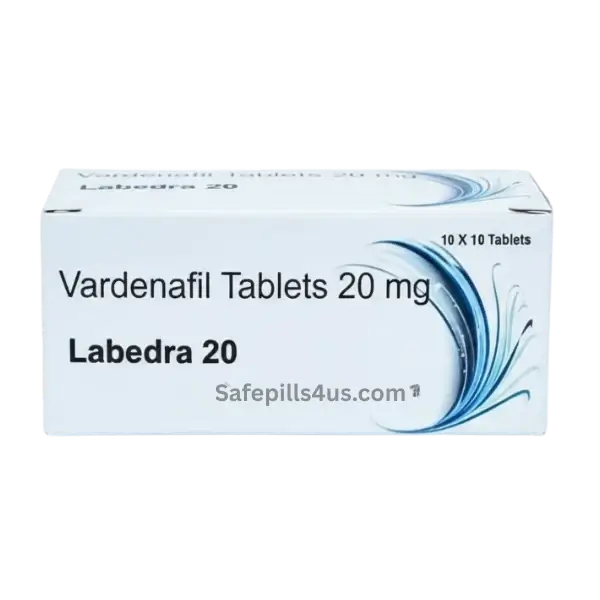
Labedra 20 mg is a simple, no-fuss daily tablet used to control stomach acid and give relief from common acid problems. In plain words: it helps with acid reflux, heartburn, sour burps, GERD, and ulcers. It’s designed to calm that burn, protect the lining inside your stomach and food pipe, and help you feel normal again so you can eat, sleep, and get on with your day.
Most packs of Labedra 20 mg typically contain rabeprazole sodium 20 mg (delayed-release), a proton pump inhibitor (PPI). PPIs reduce the acid your stomach makes. Less acid means less irritation, fewer flare‑ups, and time for damaged tissue to heal. Do check your own carton or leaflet for the exact active ingredient and any extras, because formulas can vary by region and brand lines.
Quick highlights
- What it’s for: Heartburn, acid reflux/GERD, gastritis, stomach or duodenal ulcers, and ulcer prevention if you’re on acid‑irritating meds (like certain painkillers).
- Class: Proton Pump Inhibitor (PPI) – long‑acting acid control.
- Strength: 20 mg delayed‑release tablet (swallow whole).
- When to take: Usually once daily, 30 minutes before breakfast; your doctor might adjust this.
- Who can use: Adults and teens as advised. Special cases (pregnancy, long‑term use, elderly) need medical guidance.
- Good partner: Simple lifestyle tweaks and, if advised, an H. pylori eradication plan for infection‑related ulcers.
What Labedra 20 mg does (in plain words)
Your stomach has tiny acid pumps that fire up to digest food. When they go a bit wild or when the valve at the top of your stomach is slack acid splashes upward or sits around too long. That’s when you feel burning, sour taste, bloating, and chest discomfort. Labedra 20 mg slows those pumps right down. So the acid settles, the burn eases, and the inflamed lining finally gets a chance to heal. It won’t numb you instantly like an antacid gel, but it gives deeper, longer relief when used regularly.
Common uses
- GERD (gastro‑esophageal reflux disease): Frequent heartburn, sour burps, throat irritation from acid.
- Erosive esophagitis: Healing irritation and protecting the food pipe lining.
- Stomach and duodenal ulcers: Helps heal and prevents recurrences.
- H. pylori‑related ulcers: Part of a combination plan (with antibiotics) to clear the bacteria and protect the lining.
- NSAID‑related protection: If you need daily painkillers (like ibuprofen/diclofenac) and your doctor wants to shield your stomach.
Note: Your exact diagnosis and duration come from your clinician. Different conditions can look similar (reflux vs. gastritis vs. ulcers), and the plan can change based on tests.
How to take it (keep it simple)
- Dose: Usually 1 tablet of Labedra 20 mg once daily.
- Timing: Take it 30–60 minutes before breakfast. If you’re on two doses, the second is often before dinner (doctor’s call).
- Swallow whole: Don’t chew, crush, or split. The delayed‑release coat helps it work properly.
- Consistency beats “more”: Take it daily as directed. Don’t double up if you miss a dose.
Missed a dose?
- Take it when you remember unless it’s close to the next one. Skip the missed dose then. No doubling.
How long will I need it?
- GERD symptom control: 4–8 weeks is common, then reassess.
- Ulcer healing: Usually 4–8 weeks depending on location and severity.
- H. pylori plans: Often twice daily as part of a 10–14 day combo therapy, then back to once daily if needed (follow your prescription).
- Prevention: Lowest effective dose for the shortest time. Your doctor will decide.
What you’ll feel and when
- Day 1–3: Less burning and sour taste. Nights may already feel calmer.
- Week 1–2: Marked improvement in heartburn and regurgitation. Sleep is easier.
- Week 4–8: Healing phase. Irritation calms, flare‑ups are fewer.
- Honest note: If there’s zero improvement in 2 weeks, or you have alarm signs (weight loss, vomiting blood, black stools, trouble swallowing), get checked promptly.
Possible side effects
Most people do fine. If anything shows up, it’s usually mild and settles:
- Headache, tummy pain or cramps
- Nausea, constipation, or diarrhea
- Gas, bloating
- Dizziness or dry mouth
- Mild rash
Less common but important (seek advice fast if you notice these):
- Severe watery diarrhea or stomach cramps that don’t stop
- Signs of low magnesium after long use (muscle cramps, abnormal heartbeat, seizures)
- New or worsening kidney issues (swollen legs, less urine, fatigue)
- Widespread rash, facial swelling, trouble breathing (allergy)
- Persistent severe chest pain, difficulty swallowing, or black/tarry stools
Long‑term and high‑dose cautions (months to years):
- Possible vitamin B12 deficiency, low magnesium, and calcium issues
- Slightly higher risk of certain infections (because there’s less acid barrier)
- Fundic gland polyps (usually harmless; discuss if you’re on PPIs long term)
If you’re on a long course, your clinician may do periodic checks (like magnesium, B12) and plan tapers.
Do’s and don’ts (real‑world tips)
Do:
- Take it before meals, same time daily.
- Keep meals smaller; avoid lying down for 2–3 hours after dinner.
- Lift the head end of your bed a little if nights are rough.
- Identify your triggers (spicy/fatty foods, late dinners, caffeine, alcohol, mint, chocolate, smoking).
Don’t:
- Crush the tablet.
- Mix with lots of other acid‑lowering meds without advice (you may not need them).
- Ignore red‑flag symptoms (unexplained weight loss, swallowing pain, vomiting blood).
Interactions to keep in mind
Because Labedra 20 mg lowers stomach acid, it can change how some medicines are absorbed or cleared. Always share your full medication list with your doctor. Notable ones to know about:
- HIV meds like rilpivirine, atazanavir, nelfinavir: Acid suppression can interfere often not recommended together.
- Antifungals like ketoconazole/itraconazole: May be less effective with PPIs; dosing tweaks or alternatives may be needed.
- Methotrexate (especially high doses): PPIs can raise levels; your doctor may pause or switch.
- Digoxin: Levels can go up—watch for symptoms.
- Blood thinners and antiplatelets: Some PPIs can interact; rabeprazole is generally friendlier, but always get a green light from your prescriber if you’re on clopidogrel/warfarin.
- Thyroid meds (levothyroxine), iron salts: Absorption may change; take them at separate times as advised.
Food and drink:
- No strict food ban, but large fatty meals, late‑night snacks, alcohol, and caffeine can undo your progress. Keep it moderate and earlier in the evening.
Who should not use without medical advice
- Known allergy to rabeprazole/other PPIs or any ingredient in the tablet
- People on the HIV medicines mentioned above
- Persistent, severe symptoms or alarm features (weight loss, anemia, vomiting, black stools, vomiting blood)
- Pregnant or breastfeeding individuals use only if your doctor says it’s appropriate
- Children only with pediatric advice
What’s inside and how it looks
- Likely composition: Rabeprazole sodium 20 mg, delayed‑release (enteric‑coated) tablet.
- Excipients: Film coat, stabilizers, and tablet base ingredients (vary by brand). Always scan your pack if you have allergies or sensitivities.
- Pack size: Usually blister strips in a carton; 10 or 14 tablets per strip is common.
Storage and handling
- Store at room temperature, away from heat and moisture.
- Keep in the original blister until you’re ready to take it—humidity can damage the coating.
- Keep away from kids and pets.
- Don’t use past the expiry date.
Why people choose Labedra 20 mg
- Strong, all‑day acid control with one small tablet
- Helps heal irritation, not just mask it
- Friendly with daily life (no drowsiness, no complicated timing beyond “before breakfast”)
- Often well‑tolerated with a clean side‑effect profile for most users
- Works as part of H. pylori treatment plans when prescribed with antibiotics
Simple lifestyle add‑ons that help
- Shift dinner earlier and keep portions smaller at night.
- Skip tight waistbands; pressure pushes acid upward.
- Quit smoking if you can nicotine loosens the lower esophageal valve.
- Moderate coffee, tea, fizzy drinks, and alcohol.
- If you’re overweight, even a small loss can ease reflux pressure.
- Keep a quick log of trigger foods for two weeks you’ll spot patterns fast.
Frequently Asked Questions
Q: What is Labedra 20 mg used for?
A: It’s typically prescribed for acid reflux/GERD, heartburn, gastritis, and stomach or duodenal ulcers. It reduces stomach acid so the lining can heal and symptoms settle.
Q: How do I take it for best results?
A: Swallow one tablet whole 30–60 minutes before breakfast. If your doctor prescribes a second dose, take it before the evening meal. Don’t crush or chew.
Q: How soon will I feel better?
A: Many people feel relief in 2–3 days, with steady improvement over 1–2 weeks. Deep healing (like with ulcers) can take 4–8 weeks.
Q: Can I take antacids with it?
A: Yes, for on‑the‑spot relief. Just space them a couple of hours away from your Labedra dose so you don’t muddy absorption timing.
Q: Is long‑term use safe?
A: Use the lowest effective dose for the shortest time. Long‑term use needs periodic medical review because of potential issues like low magnesium or B12, and a small uptick in certain infections.
Q: Can I drink coffee or alcohol on Labedra?
A: You can, but both can trigger reflux in many people. Keep it moderate and avoid late‑night drinks.
Q: Can I stop suddenly once I feel fine?
A: Sometimes stopping cold turkey makes symptoms bounce back. Your doctor may suggest tapering (every other day, then a few days a week) before stopping.
Q: Does it affect other medicines?
A: It can. Especially some HIV medicines, certain antifungals, and high‑dose methotrexate. Share your full med list with your clinician to be safe.
Q: Is it okay in pregnancy or while breastfeeding?
A: Only with your doctor’s “okay.” They’ll weigh benefits and risks and may choose the gentlest option for you.
Related products you may like
- Labedra DSR / Rabeprazole + Domperidone Capsules: For reflux with heavy bloating or nausea, as advised by your doctor.
- Pantoprazole 40 mg Tablets: Another PPI option if your prescriber switches therapy.
- Esomeprazole 40 mg Tablets: Alternative PPI for persistent GERD, taken once daily.
- H. pylori Eradication Kit (PPI + two antibiotics): For confirmed H. pylori infection—use exactly as prescribed.
- Sodium Alginate + Antacid Suspension: On‑the‑spot relief and a gentle raft barrier after meals.
- Digestive Enzyme Tablets: For meal‑related heaviness (doctor’s call; not a reflux cure).
- Sugar‑free Antacid Chewables: Quick rescue for occasional breakthrough heartburn.
- Lifestyle Helpers: Bed risers (to elevate the head of the bed), reflux‑friendly herbal teas (non‑mint), and a simple food diary notebook.




Reviews
There are no reviews yet.