Description
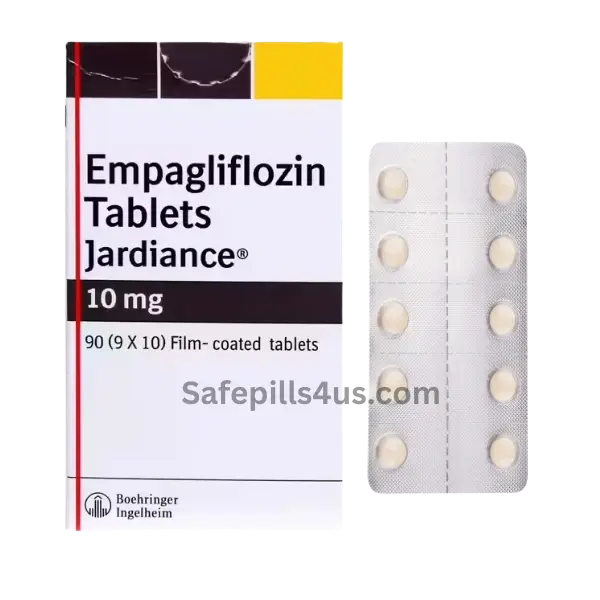
Jardiance 10mg helps lower blood sugar in adults with type 2 diabetes and also supports heart and kidney health when used as prescribed. It’s a once‑daily SGLT2 inhibitor with a track record for reliable results and a simple routine.
What is this Jardiance 10mg
- Active ingredient: Empagliflozin 10 mg
- Class: SGLT2 inhibitor
- What it does: Helps your kidneys flush extra glucose into the urine, which lowers blood sugar. It can also reduce the risk of heart‑related events in certain patients and help protect kidney function over time.
Who it’s meant for
- Adults with type 2 diabetes, as an add‑on to diet and exercise
- Adults with heart failure to lower the risk of cardiovascular death and hospitalization, with or without diabetes (doctor‑guided)
- Adults with chronic kidney disease at risk of progression, as advised by a clinician
Not for type 1 diabetes or for treating diabetic ketoacidosis.
Why doctors pick it
- Lowers A1C with a low risk of hypoglycemia by itself
- Cardiovascular benefits in people with type 2 diabetes and established heart disease
- Helps reduce hospitalizations for heart failure
- May support kidney health in at‑risk adults
- Once daily, no complex titration for most people
How to use it day to day
- Standard start 10 mg by mouth once daily, morning or evening, with or without food
- For blood sugar control, some adults may step up to 25 mg once daily if needed and tolerated
- Heart failure or kidney protection uses often stay at 10 mg once daily
- Stay hydrated. You will pee more at first
- Missed dose take it when you remember the same day. If it’s almost time for the next dose, skip the missed one. Don’t double up
- Surgery or long fasting your clinician may tell you to pause this medicine for at least 3 days before to lower ketoacidosis risk
What you might notice
- Smoother blood sugars and fewer spikes
- Modest weight drop and a small blood pressure dip in some people
- More frequent urination early on (usually settles)
Safety checkpoints before you start
- Kidney function: your prescriber will review your eGFR. The glucose‑lowering effect fades at lower eGFR, but heart or kidney benefits may still apply per current guidance
- Volume status: if you’re dehydrated or on strong diuretics, you may need adjustments
- History of genital yeast infections or urinary tract infections: risk can be higher
- Low‑carb or ketogenic diet, heavy alcohol use, or recent illness can raise ketoacidosis risk—talk with your clinician
Side effects to know
Common:
- Increased urination, thirst, dry mouth
- Genital yeast infections or irritation (more common if you’ve had them before)
- Urinary tract infections
- Mild nausea or tummy upset
- Dizziness from lower blood pressure
Less common but important:
- Ketoacidosis, even if blood sugar isn’t very high nausea, vomiting, belly pain, unusual fatigue, trouble breathing get urgent care
- Severe urinary infection or kidney issues
- Fournier’s gangrene, a rare but serious infection in the genital area severe pain, swelling, fever seek emergency help
- Allergic reaction rash, swelling, breathing trouble
Medicines and habits that may clash
- Diuretics: higher dehydration and low blood pressure risk
- Insulin and sulfonylureas: additive low blood sugar risk; dosing may need a tweak
- Blood pressure meds: monitor, as Jardiance can nudge BP lower
- Alcohol binges: strict keto dieting, prolonged fasting raise ketoacidosis risk
Good news: Jardiance has few meaningful interactions with most common medicines, but always share your full med list and supplements.
Quick facts (small table)
| Item |
Details |
| Brand |
Jardiance |
| Strength |
10 mg tablet |
| Generic name |
Empagliflozin |
| Use |
Type 2 diabetes; heart failure; kidney protection (as directed) |
| Dose |
10 mg once daily; may increase to 25 mg for glycemic control |
| With food |
Optional (take the same time daily) |
| Rx status |
Prescription only |
| Not for |
Type 1 diabetes or diabetic ketoacidosis |
Who should not use it
- Anyone with a known allergy to empagliflozin
- People with active diabetic ketoacidosis
- Use in pregnancy and breastfeeding is not recommended unless your clinician decides benefits outweigh risks
Smart tips for best results
- Take it consistently at the same time each day
- Keep drinking water, especially in hot weather or when exercising
- Practice good hygiene to lower yeast infection risk
- Check blood sugars as your care team recommends
- Call your clinic if you’re sick, not eating, or notice signs of ketoacidosis
Storage and handling
- Store at room temperature, away from heat and moisture
- Keep tablets in the original container with the cap closed
- Keep out of reach of children
Frequently Asked Questions
Q: What exactly does Jardiance 10mg do
A: It helps your kidneys remove excess sugar through urine, lowering blood glucose. It can also reduce certain heart risks and help protect kidneys in eligible adults.
Q: When will I see results
A: Many people see blood sugar improvements within 1 to 2 weeks, with A1C reflecting full effect after about 3 months.
Q: Can I take Jardiance with metformin
A: Yes. It’s commonly paired with metformin and other diabetes meds. Your clinician will set the combo and doses.
Q: Will it cause low blood sugar
A: Not usually by itself. The risk rises when used with insulin or sulfonylureas. Watch for symptoms and follow your dose plan.
Q: What if I get a yeast infection
A: Call your clinician. These are usually easy to treat, and prevention steps like hydration and good hygiene help.
Q: Do I need to stop it before surgery
A: Often yes. Many clinicians advise stopping at least 3 days before major surgery or prolonged fasting to reduce ketoacidosis risk.
Q: Is it safe if my kidneys are weak
A: Your doctor will check your eGFR and decide. The sugar‑lowering effect is reduced at lower eGFR, but heart and kidney benefits may still make it appropriate in some cases.
Q: Does it help with weight loss
A: It’s not a weight‑loss drug, but some people see a modest drop due to calorie loss in urine and mild diuresis.



Reviews
There are no reviews yet.