What is Ivermectin And Fenbendazole
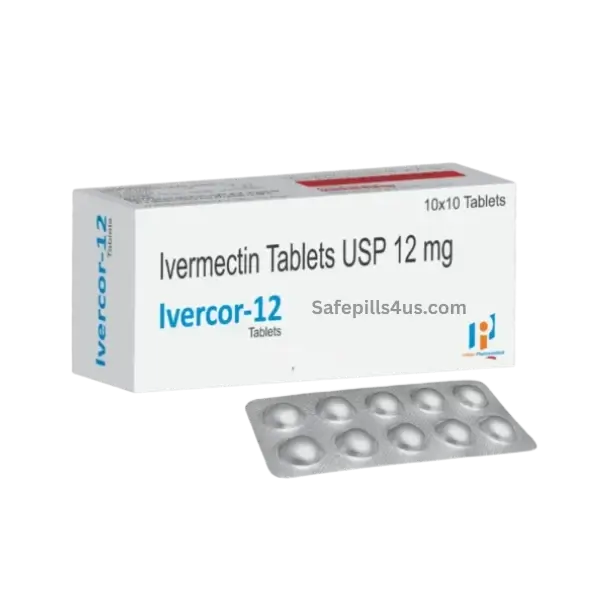
Ivermectin and Fenbendazole are two different active ingredients that fight parasites in different ways.
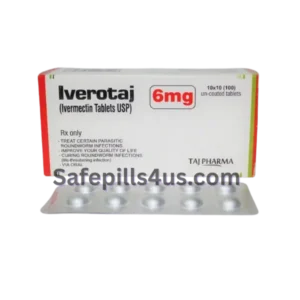
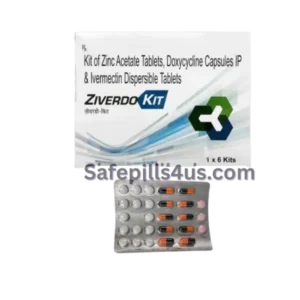
- Ivermectin: A macrocyclic lactone used widely in animals and, with a prescription, in humans for certain parasitic infections. In pets, it’s commonly used for heartworm prevention, mite infestations, and certain intestinal parasites (under veterinary guidance).
- Fenbendazole: A benzimidazole dewormer used in many animals (dogs, cats, horses, cattle, and more). It’s known for broad‑spectrum coverage of common gastrointestinal worms and is often part of routine deworming plans. It can also be used (off‑label in some regions) for Giardia in dogs when a vet decides it’s appropriate.
This listing covers both actives because many parasite control plans lean on one or the other or both at different times to cover different threats.
What they treat
Here’s the simple view. Actual targets vary by species and product label, so your vet’s advice wins.
- Ivermectin typically helps with:
- Heartworm prevention in dogs (prevents heartworm larvae from maturing)
- Certain intestinal parasites (depending on formulation)
- External parasites like ear mites and mange mites in animals, as directed
- Specific human parasitic infections (prescription only; human‑labeled products only)
- Fenbendazole typically helps with:
- Roundworms, hookworms, and whipworms in dogs and cats
- Certain tapeworms (Taenia species; note: the common flea tapeworm often needs praziquantel)
- Strongyles and other gastrointestinal worms in horses
- Some lungworms and Giardia in dogs (use and duration depend on your vet)
If you’re dealing with tapeworms from fleas (very common), you’ll likely need a product with praziquantel as well. If mites are the problem, ivermectin or a related product might be the pick. That’s why these two often show up in the same conversation—you match the medicine to the exact pest.
Why people choose this combo
- Broad coverage: Between the two, you can address many internal worms and, with ivermectin, several mite issues.
- Proven track record: Both have been used for decades under veterinary supervision.
- Flexible planning: Your vet can use one, then the other, or pair strategically to cover mixed infections.
- Familiar formats: Pastes, suspensions, tablets, and chewables exist across brands and species labels.
- Easy to integrate: Often used in routine parasite prevention programs.
Who it’s for
- Veterinary use:
- Dogs and cats for routine deworming and targeted mite control (as advised by your vet).
- Horses and livestock for control of common gastrointestinal worms (fenbendazole) and parasite prevention programs (ivermectin), following species‑specific labels.
- Human use:
- Ivermectin may be prescribed for specific parasitic infections. Only use human‑labeled products and follow a clinician’s dosing. Do not self‑medicate.
- Fenbendazole is not approved for human use in many regions. Do not use animal products on yourself.
If you’re not sure which product your situation actually needs, a quick vet visit saves time, money, and stress.
How they work
- Ivermectin: It binds to parasite nerve and muscle channels (glutamate‑gated chloride channels), basically switching them off. Parasites become paralyzed and die. Mammals don’t have those same channels in the same places, which is why the safety margin is good when used correctly though there are important breed‑specific cautions (more below).
- Fenbendazole: It blocks the parasites’ ability to make the tiny building blocks (microtubules) they need to absorb nutrients. No nutrients, no survival. It’s a slower, steady kill, which is why fenbendazole often gets used over a few days.
Forms and strengths
Availability varies by brand and region. Common forms include:
- Oral suspensions (great for accurate dosing in small animals)
- Pastes or gels (popular in horses)
- Tablets or chewables (dogs and some cats, depending on product)
- Pour‑on or injectable ivermectin for livestock (not for pets unless your vet directs it)
How to use
- Always use the product labeled for your animal and the exact parasite being treated or prevented.
- Dose is based on species, body weight, and parasite type. Your vet sets the plan.
- For heartworm prevention, ivermectin is typically given on a schedule (often monthly) using a pet‑labeled product. Dogs should be heartworm‑tested before starting or restarting prevention.
- Fenbendazole courses often run several days in a row for intestinal worms (your vet picks duration).
- If your vet pairs therapies (for example, fenbendazole plus another dewormer, or ivermectin for mites plus skin care), stick to the timing they give you. Don’t improvise.
- If an animal spits out or vomits a dose, call your vet for next steps rather than doubling up.
Safety and warnings
- For veterinary use:
- Collies, Shelties, Australian Shepherds, and other herding breeds may carry the MDR1 gene mutation, which can increase sensitivity to ivermectin and related drugs. Don’t use ivermectin products in these breeds without veterinary guidance (and ideally MDR1 testing).
- Do not use livestock‑strength or concentrated ivermectin products in dogs or cats unless a vet explicitly prescribes and calculates it. This is a common emergency room mistake.
- Pregnant or lactating animals: ask your vet which product is safest and how to schedule treatment.
- Very young, very old, or debilitated animals may need adjusted plans.
- For human health:
- Ivermectin should only be taken when prescribed, using human‑labeled medication.
- Fenbendazole is an animal dewormer and is not approved for human use in many places.
- Do not use these medicines to treat viral infections. That’s not what they’re for.
- General:
- Parasite treatment can unmask heavy burdens. If your pet seems weak, collapses, or shows strange neurologic signs after dosing get veterinary care fast.
- Keep all medications out of reach of children and animals. Many are flavored and taste “too good.”
Possible side effects
Not everyone notices side effects, but here’s what to watch for. If anything looks off, call your vet or clinician.
- Ivermectin:
- Lethargy, drooling, dilated pupils, wobbliness, tremors, or seizures (especially with overdoses or breed sensitivities)
- Vomiting or diarrhea
- Skin irritation if used topically or if there’s a mite die‑off reaction
- Fenbendazole:
- Mild digestive upset (soft stool, vomiting)
- Rarely, hypersensitivity reactions
- In heavy worm burdens, you might see worms in the stool as they pass—gross, but it means it’s working
This isn’t a complete list, but it covers the common stuff.
Drug interactions and special cautions
- Ivermectin can interact with other drugs that affect the blood‑brain barrier or certain neurologic pathways. Always tell your vet about every med and supplement, including flea/tick preventives.
- Fenbendazole generally plays nicely with others, but your vet still needs the full med list to avoid stacking similar actions.
- Don’t mix multiple dewormers or mite treatments on your own “just to be safe.” You can accidentally create toxicity or blunt effectiveness.
- If your pet has liver or kidney disease, the plan may need tweaks.
Practical tips for better results
- Confirm the parasite: Fecal exams, skin scrapings, and heartworm tests take the guesswork out.
- Treat the environment too: Wash bedding, vacuum, control fleas (tapeworm link!), pick up stools promptly.
- Dose by accurate weight: Guessing leads to underdosing (failures) or overdosing (trouble).
- Finish the course: Stopping early lets survivors bounce back.
- Recheck: Follow-up tests prove the parasites are actually gone.
- One animal sick? Check housemates. Parasites love roommates.
Storage and handling
- Store at room temperature away from moisture, heat, and sunlight.
- Keep in the original packaging with the label intact.
- Shake suspensions if the label says so.
- Do not use after the expiration date.
- Keep away from kids, curious pets, and feed bins.
What customers often notice
- Firmer stools, less scooting, and fewer “booty drags”
- Less belly discomfort and bloating
- Cleaner coat and better weight gain in growing animals
- Ears and skin calm down when mite issues are addressed
- A simpler routine once a prevention plan is set up (rather than crisis‑treating flare‑ups)
Every animal is different, so timing varies. Some improvements show in days; others (like weight and coat) can take a few weeks.
Frequently asked questions (FAQ)
Q: Can I use ivermectin and fenbendazole at the same time?
A: Sometimes, yes but only if your vet recommends it. They target different parasites, so there are situations where they’re paired. Don’t combine on your own.
Q: Are these safe for cats and small dogs?
A: With proper dosing and species‑specific products, yes. The key is accurate weight, breed considerations, and vet guidance. Small pets are more sensitive to dosing mistakes, so measure carefully.
Q: My dog is a Collie. Is ivermectin off the table?
A: Not always, but extreme caution is needed due to the MDR1 gene issue. Your vet may test for the mutation or choose a different preventive to be safe.
Q: Does fenbendazole treat tapeworms?
A: It treats certain tapeworms (Taenia), but the common flea tapeworm (Dipylidium caninum) usually needs praziquantel. If you’re seeing tapeworm segments, you also need to control fleas.
Q: Can humans take fenbendazole?
A: No fenbendazole is not approved for human use in many countries. Please do not use animal dewormers on yourself.
Q: Can ivermectin treat viral infections?
A: No. Ivermectin is an antiparasitic. Use it only for conditions where it’s indicated and prescribed.
Q: How often should I deworm my pets?
A: It depends on age, lifestyle, region, and test results. Puppies and kittens need more frequent deworming early on, then your vet will shift to a maintenance or prevention plan.
Q: What if my pet vomits after a dose?
A: Call your vet. They’ll tell you whether to repeat, skip, or adjust the plan. Don’t redose without guidance.
Q: Will I see worms in the stool?
A: Sometimes. It depends on the parasite and timing. Even if you don’t see them, the treatment can still be working—follow up with a fecal test to confirm.
Q: Is there a withdrawal period for livestock?
A: Yes. For food‑producing animals, follow label‑specific withdrawal times set for each product and species. Ask your large‑animal vet if you’re unsure.
Q: Can I use leftover horse paste on my dog?
A: Do not do this unless a vet explicitly instructs you and calculates the exact dose. Concentrations differ and overdoses happen fast.
Q: Do I need to treat all pets in the home?
A: Often yes, especially for intestinal worms spread through the environment. Your vet will advise based on test results and exposure.


Reviews
There are no reviews yet.