
All Categories
All Categories
Dytor (Torasemide)

Dytor (Torasemide)

Price range: $23.00 through $40.00

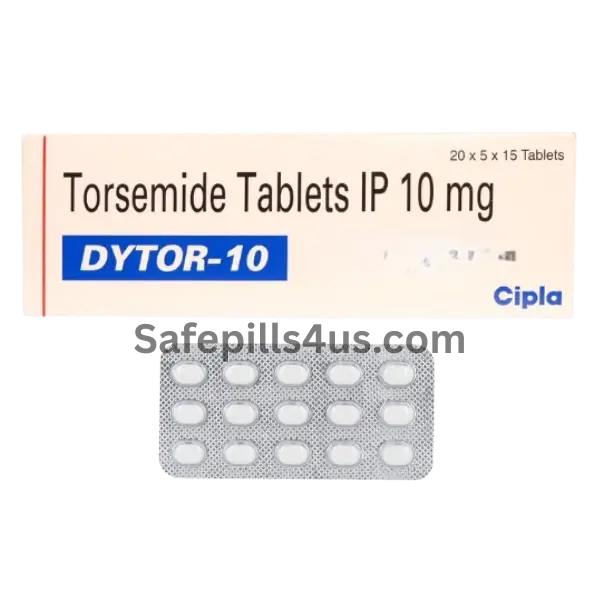
Dytor contains torsemide, a diuretic that helps remove excess fluid from the body by increasing urine production. It is commonly used to treat swelling (edema) linked to heart failure, liver disease, or kidney disorders. By reducing fluid buildup, it helps improve breathing comfort and overall fluid balance.

Active Ingredient: Torasemide
Indication: High blood pressure, Oedema
Manufacturer: Cipla Limited
Packaging: 15 tablets in 1 strip, 10 tablets in 1 strip
Delivery Time: 6 To 15 days

Dytor (Torasemide)

Variant Price Units Quantity Add to Cart
30 Tablet/s $23.00 $0.38
60 Tablet/s $31.00 $0.34
90 Tablet/s $40.00 $0.33

Use Coupon: SF20 20% OFF
📋 Product Description

Dytor Torasemide For Reliable Fluid Relief

When extra fluid hangs around in your body life gets heavy. Your ankles puff up your shoes feel tight, and even simple walks can leave you huffing. Dytor (Torasemide, also called Torsemide) is a prescription loop diuretic that helps your body let go of that extra water and salt. It’s commonly used for edema (water retention) linked to heart failure, kidney disease, or liver cirrhosis, and it’s also used to help manage high blood pressure in many treatment plans. This is a steady, dependable option with once‑daily convenience for many people. It helps increase urine output, reduce swelling, and ease that weighed‑down feeling so you can move a little easier and breathe a bit better. And yes, it’s used long term for a lot of folks under a doctor’s guidance.

Clear Benefits You Can Feel Daily

  • Helps reduce fluid buildup in legs, feet, hands, and belly
  • Can make breathing easier when fluid affects your lungs
  • Convenient once‑daily use for many treatment plans
  • Longer‑lasting effect than some older diuretics
  • Plays well with many heart failure and blood pressure therapies

How this Loop Diuretic Actually Works

Dytor belongs to a group called loop diuretics. In plain English, it tells your kidneys to release more salt and water into your urine. It works on a specific part of the kidney the loop of Henle where salt is normally reabsorbed. By blocking that reabsorption, more salt and water leave your body, which lowers fluid buildup and helps bring down blood pressure. So, less swelling, less strain on your heart and vessels. Simple idea, big relief.

Who May Be Prescribed Dytor Torasemide

Your healthcare provider may choose Dytor if you have:
  • Edema due to heart failure, chronic kidney disease, or liver cirrhosis
  • Fluid overload after certain surgeries or during specific treatments
  • High blood pressure as part of a broader plan (often with other meds)

What to Know Before Starting Therapy

  • Allergies: Mention any sulfa allergies or past reactions to diuretics
  • Kidney or liver problems: Doses and monitoring may change
  • Low blood pressure or dehydration: Risk of dizziness can increase
  • Electrolyte concerns: Low potassium or magnesium can cause symptoms
  • Gout or high uric acid: Diuretics can raise uric acid levels
  • Diabetes: Blood sugar may shift and need closer checks
  • Pregnancy or breastfeeding: Use only if clearly needed; ask your OB or pediatrician
  • Interactions to flag: Lithium, NSAIDs (like ibuprofen), steroids, digoxin, other diuretics, certain antibiotics, laxatives, and blood pressure medicines. Your provider will guide what’s safe together.

Simple Directions for Everyday Use

Always follow your prescriber’s instructions. Here are common, practical tips:
  • Timing: Often taken once each morning. Try not to take late at night, or you may be up to pee.
  • Food: Can be taken with or without food pick what feels best for your stomach.
  • Hydration: Drink fluids as your doctor recommends. Don’t overdo it, but don’t let yourself get parched.
  • Missed dose: If you forget, take it when you remember unless it’s close to your next dose. Don’t double up.
  • Consistency: Take it at the same time daily if you can. Routine helps your body (and your schedule).
  • Salt and diet: Unless told otherwise, keep salt modest. Extra salt can fight against your diuretic.
  • Check‑ins: Expect lab tests here and there to check electrolytes and kidney function.

Possible side effects and safety signals

Most people do fine, but like any med, side effects can happen. Common effects:
  • More frequent urination (yep, that’s the point)
  • Dizziness, especially when standing up fast
  • Thirst, dry mouth, or mild headache
  • Muscle cramps or weakness if potassium runs low
Less common but important:
  • Low blood pressure with fainting or severe lightheadedness
  • Electrolyte imbalances (low potassium, sodium, or magnesium)
  • Gout flares (painful big toe or joints)
  • Changes in blood sugar
  • Skin rash or itching
Seek medical help right away for:
  • Severe dizziness or fainting
  • Irregular heartbeat or chest discomfort
  • Confusion, extreme weakness, or severe vomiting/diarrhea
  • Ringing in the ears or hearing changes
  • Swelling of face, lips, tongue, or troubled breathing (possible allergy)

Smart tips for better daily results

  • Weigh yourself daily at the same time; share sudden jumps with your care team
  • Stand up slowly to avoid dizziness
  • Keep a small blood pressure log if advised
  • Ask about potassium‑rich foods or supplements if needed
  • Plan ahead on travel days—you may need extra bathroom breaks
  • Go to all scheduled lab checks; they keep you safe and optimized

Storage, strength options, and packaging notes

Dytor (Torasemide) tablets come in multiple strengths, commonly 5 mg, 10 mg, 20 mg, and 40 mg. Your pack will clearly show the strength. Store at room temperature (around 68–77°F), dry and away from sunlight. Keep the bottle or blister in a cabinet—not the steamy bathroom—and out of reach of kids and pets.

Frequently Asked Questions About Dytor Torasemide

Is Dytor the same as Torasemide or Torsemide?+

Yes. Dytor is a brand name, and its active ingredient is torasemide (also spelled torsemide in the United States). They refer to the same medicine with different naming styles.

How quickly does Dytor usually start working?+

Many people notice increased urination within about an hour after taking Dytor. The diuretic effect may last much of the day, although the exact timing can vary from person to person.

Can I take Dytor with breakfast or should I wait?+

Dytor can be taken with or without food. If it causes mild stomach discomfort, taking it with breakfast or a small snack may help.

Will I need a potassium supplement with Dytor?+

Not everyone needs one. Your healthcare provider may check blood tests and symptoms to decide if potassium supplements or dietary adjustments are necessary while taking Dytor.

Can Dytor be used for high blood pressure alone?+

In some cases, Dytor may be used to help manage high blood pressure, especially when fluid retention is present. However, it is often combined with other blood pressure medications as part of a complete treatment plan.

Related Products You May Also Consider

size30 Tablet/s, 60 Tablet/s, 90 Tablet/s
Reviews

Related Products

Rosulip 20mg

Rosulip 20mg (Rosuvastatin)

Price range: $45.00 through $106.25
Dytor 10 mg

Dytor 10 mg (Torasemide)

Price range: $16.18 through $28.14
Enapril 2.5 Mg

Enapril 2.5 Mg (Enalapril)

Price range: $10.00 through $20.00
Ciplar 10 mg

Ciplar 10 mg

Price range: $6.38 through $11.13