Description
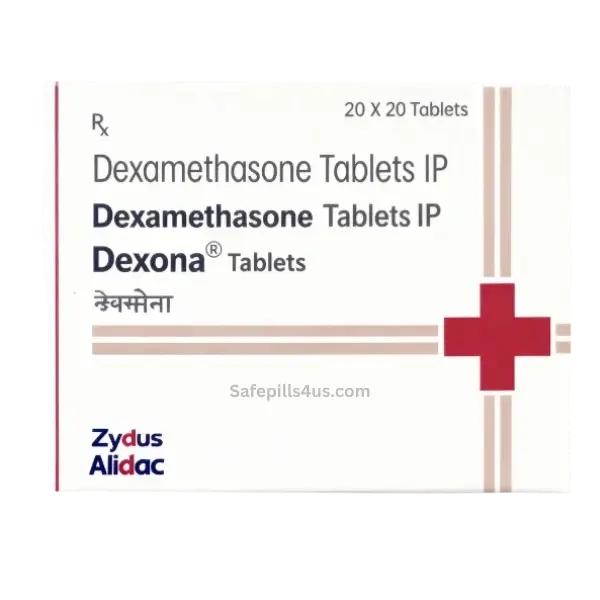
Dexona 0.5 mg contains Dexamethasone, a potent corticosteroid that quiets inflammation and reins in an overactive immune system. In plain words: when your body is flaring red, swollen, itchy, painful, wheezy, or just overreacting this medicine helps dial it back. The 0.5 mg strength is small but powerful because dexamethasone is strong; roughly speaking, 0.5 mg of dexamethasone is similar to about 3–4 mg of prednisolone. It’s a prescription medicine. Your doctor decides the dose, timing, and how long you should use it. Don’t stop suddenly unless your prescriber says so; most people need a taper.
Quick Facts (At a Glance)
| Item |
Details |
| Brand/Strength |
Dexona 0.5 mg |
| Generic Name |
Dexamethasone |
| Class |
Corticosteroid (glucocorticoid) |
| What It Does |
Anti‑inflammatory and immunosuppressant |
| Potency Note |
0.5 mg dex ≈ 3–4 mg prednisolone (approximate) |
| Form |
Oral tablet (Rx only) |
| Best Time |
Morning, after food |
| Onset |
Often hours to 1–2 days, depending on condition |
| Taper Needed |
Usually yes—don’t stop abruptly |
| Storage |
Cool, dry place; away from sunlight and moisture |
What Dexona 0.5 mg Is Used For
Common doctor‑directed uses
- Allergic conditions: stubborn rashes, hives (urticaria), severe hay fever, angioedema (as advised).
- Asthma and airway inflammation: short courses during flares alongside inhalers.
- Skin diseases: eczema, contact dermatitis, psoriasis flare‑ups that need stronger control.
- Autoimmune disorders: rheumatoid arthritis, lupus, certain vasculitides often as part of a bigger plan.
- Eye inflammation (specialist care): uveitis, severe allergic conjunctivitis.
- Inflammatory bowel disease: ulcerative colitis or Crohn’s disease flares when a rapid anti‑inflammatory effect is needed.
- Certain blood/immune conditions and some cancer‑related protocols (doctor‑guided).
- Prevention/treatment of chemotherapy‑related nausea in specific regimens (specialist direction only).
Note: Dexona controls inflammation and symptoms; it does not cure the underlying condition on its own. Your long‑term management may include other medicines that keep the disease in check.
How Dexamethasone Works
Inflammation is your body’s alarm system. When it’s too loud or stuck on, you get heat, redness, swelling, pain, and breathing trouble. Dexamethasone blocks inflammatory chemical messengers (like prostaglandins and cytokines) and tells immune cells to calm down. As that internal noise quiets, swelling shrinks, redness fades, and pain eases, so breathing or movement gets easier. Dexamethasone is potent, so even a 0.5 mg tablet can have a meaningful effect, especially when taken consistently the way your doctor prescribes.
Dosage & How to Take Dexona 0.5 mg
Simple directions
- Take after food breakfast is best. It’s gentler on your stomach and better for sleep.
- Swallow the tablet with water. Don’t crush or chew unless your pharmacist says it’s okay.
- Take it at the same time daily. Consistency helps your body’s rhythm.
- Follow your taper schedule carefully. Stopping suddenly may cause withdrawal symptoms and adrenal issues.
Missed dose and overdose
- Missed a dose: take it when you remember. If it’s almost time for your next dose, skip the missed one. Don’t double up.
- Overdose or severe symptoms (black stools, intense stomach pain, confusion, severe mood change)? Get medical help right away.
Typical prescribing patterns
- Short burst for an acute flare, then step‑down or stop as symptoms settle.
- Maintenance at a low total daily dose split into 0.5 mg steps, if your doctor prefers fine control.
- Part of a combination regimen for specific conditions (specialist‑guided).
Who Should Avoid It or Use With Extra Care
Tell your doctor if you have any of the following (honestly, this list protects you):
- Uncontrolled infections, including TB or severe fungal/viral infections.
- Recent or upcoming live vaccines.
- Stomach/duodenal ulcer, severe GERD, or previous GI bleeding.
- Diabetes, high blood pressure, heart failure, or fluid retention issues.
- Eye problems: glaucoma, cataracts, or herpes eye infection.
- Osteoporosis or a history of fragility fractures.
- Thyroid, liver, or adrenal disorders.
- Mood disorders (anxiety, depression, psychosis) or past steroid‑related mood changes.
- Allergy to dexamethasone or tablet ingredients.
Side Effects
Side effects depend on dose, duration, and your personal risk factors. Using the lowest effective dose for the shortest time reduces risk.
Common (often mild and improve as the dose lowers)
- Indigestion, heartburn, or stomach discomfort.
- Bigger appetite, possible weight gain; facial puffiness or ankle swelling from fluid retention.
- Mood or sleep changes feeling wired or low; insomnia if taken late.
- Higher blood pressure or blood sugar (especially important if you have diabetes).
- Acne or oily skin; with longer use, skin may thin or bruise more easily.
Serious—seek medical advice promptly
- Signs of infection fever, chills, sore throat that don’t settle (steroids can hide typical symptoms).
- Severe abdominal pain, vomiting blood, or black/tarry stools (possible GI bleeding).
- Sudden vision changes, eye pain, or severe headache (glaucoma/cataract risk).
- Strong mood swings, confusion, depression, or mania.
- Muscle weakness with extreme fatigue (possible adrenal suppression).
- Unusual deep pain in hip or shoulder (rare avascular necrosis).
- Severe swelling, shortness of breath, or chest pain—urgent care needed.
Interactions You Should Know
Always share your full medication list (prescribed, OTC, herbal, vitamins). Dexamethasone is metabolized by CYP3A4, so a lot of medicines can shift its levels.
Medicines that may interact
- NSAIDs (ibuprofen, naproxen): higher risk of stomach irritation/bleeding.
- Blood thinners (warfarin): INR changes; monitoring may be needed.
- Diabetes medicines/insulin: dexamethasone can raise blood sugar; dose tweaks are common.
- Diuretics and other low‑potassium drugs: watch for low potassium.
- Strong CYP3A4 inhibitors (ketoconazole, itraconazole, clarithromycin, grapefruit in large amounts): can raise steroid levels.
- Enzyme inducers (phenytoin, carbamazepine, rifampin): can lower steroid levels.
- Cyclosporine and certain HIV medicines: may increase side effects.
- Fluoroquinolone antibiotics with systemic steroids: rare added risk of tendon problems use only if your doctor says it’s necessary.
- Vaccines avoid live vaccines while on moderate–high steroid dosing; discuss timing.
Warnings & Everyday Precautions
- Don’t stop suddenly: Your adrenal glands slow their own steroid production during treatment. A taper allows them to wake up safely. Quitting cold turkey can make you feel awful and may be dangerous.
- Infection watch: Steroids can mask fever and pain. If you feel “off,” feverish, or symptoms worsen, get checked sooner rather than later.
- Stomach care: Always take after food. If you also use NSAIDs often, ask if you need a protective medicine for your stomach.
- Eyes and bones: With longer or repeated courses, your doctor may suggest eye checks and bone support (calcium, vitamin D, weight‑bearing exercise, possibly bone density scans).
- Blood pressure and sugars: Keep an eye on them, especially if you already manage hypertension or diabetes. Adjustments may be needed during treatment.
- Alcohol: Best limited. Alcohol and steroids together increase stomach irritation and bleeding risk.
- Kids, teens, and older adults: Children need specialist guidance; long‑term steroids can affect growth. Older adults benefit from extra monitoring for blood sugar, bone health, and blood pressure.
- Pregnancy & Breastfeeding: Sometimes dexamethasone is necessary during pregnancy or breastfeeding to control a serious flare. Your doctor will weigh benefits and risks and aim for the lowest effective dose. If you’re planning a pregnancy, already pregnant, or nursing, discuss it before starting or changing your dose.
How to Take It So It Works Better (Practical Tips)
- Take your dose after breakfast; set a phone reminder if you’re tapering.
- Keep meals balanced; if you’re puffy, ease up on salt and stay hydrated.
- If you have diabetes, check sugars more frequently while on therapy.
- Write your current dose and next taper step in a note on your phone—handy at appointments.
- Carry a steroid alert card or add a note to your lock screen for emergencies.
Storage & Handling
Store Dexona 0.5 mg in its original strip until use. Keep it in a cool, dry place, away from sunlight and bathroom humidity. Keep out of reach of children and pets. Do not use tablets past the expiry date or if the pack is damaged.
Product Specs (Quick View)
| Spec |
Info |
| Name |
Dexona 0.5 mg |
| Active Ingredient |
Dexamethasone 0.5 mg per tablet |
| Category |
Corticosteroid (glucocorticoid) |
| Indications |
Allergic, inflammatory, autoimmune conditions (doctor‑directed) |
| Form |
Oral tablet |
| Pack Info |
Blister strips; pack sizes may vary by market |
| Prescription Status |
Rx only |
| Price/Availability |
Varies by region and pharmacy |
Frequently Asked Questions (FAQ)
- What is Dexona 0.5 mg used for?
It’s used to control inflammation and immune overreactions: allergies and skin flares, asthma/airway inflammation, autoimmune disorders (like rheumatoid arthritis, lupus), uveitis (specialist care), IBD flares, and certain blood/immune conditions. Exact use is individualized.
- How fast does it work?
Many people notice relief within hours for allergy‑driven symptoms. For joints, skin, or gut flares, improvement often shows within 24–48 hours. If things aren’t changing, talk to your doctor.
- Is 0.5 mg a small dose?
It’s a low strength by number, but dexamethasone is potent. Roughly, 0.5 mg dex ≈ 3–4 mg prednisolone. Your prescriber chooses the dose that fits your condition and response.
- Can I stop when I feel better?
Please don’t without a plan. Most people need a taper to prevent withdrawal symptoms and adrenal issues. Follow the schedule your doctor gives.
- Should I take it with food?
Yes after food is best to reduce stomach upset and heartburn. Morning dosing also supports better sleep.
- Will I gain weight?
Dexamethasone can increase appetite and cause fluid retention, especially with higher doses or longer use. Balanced meals, light activity, and going easy on salt help.
- Is Dexona safe if I have diabetes or high blood pressure?
It can be used, but sugars and blood pressure may rise. Expect closer monitoring and possible medication adjustments during treatment.
- Can I take ibuprofen with Dexona?
Frequent NSAID use (ibuprofen, naproxen) plus steroids raises stomach risk. Ask your doctor for safer pain options if you need them regularly.
- Are vaccines allowed?
Avoid live vaccines while on moderate–high doses. Non‑live vaccines may be fine; tell your provider you’re using a steroid so they can plan timing.
- What are the danger signs I shouldn’t ignore?
High fever that doesn’t settle, severe stomach pain or black/tarry stools, sudden vision changes, strong mood swings, new severe swelling or chest pain, or extreme fatigue with muscle weakness seek medical help quickly.



Reviews
There are no reviews yet.