
Description
Zyclastin 4 Mg Injection Snapshot And Key Benefits
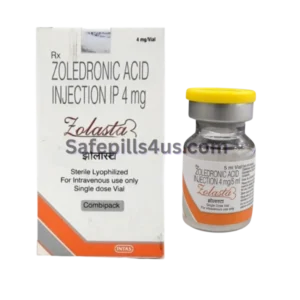
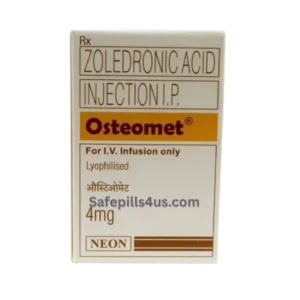
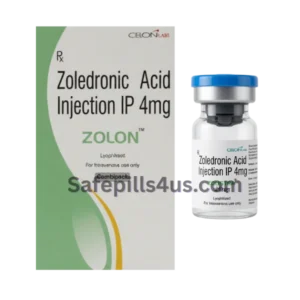
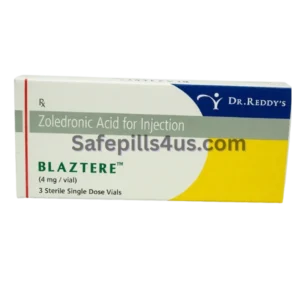
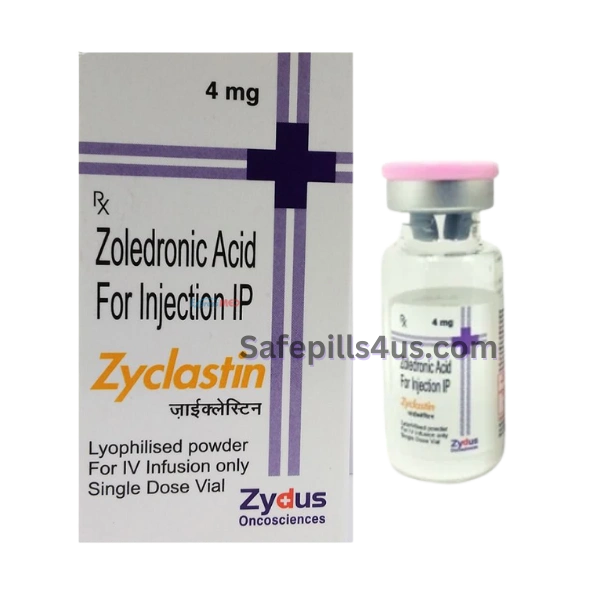
Zyclastin 4 Mg Injection is a clinic or hospital IV drip made to support bone strength and help bring high blood calcium back to a healthy range. In many places, the active ingredient is zoledronic acid 4 mg, a bisphosphonate that slows fast bone breakdown. When breakdown eases, bones hold on to density, and extra calcium is less likely to leak into the blood. It is given by trained staff only, so you do not have to guess about dose or timing.Clear Uses And Real World Benefits
- Helps lower high blood calcium in select conditions
- Supports bone density when your condition or treatment puts bones at risk
- Lowers the chance of bone problems and fractures in certain cases
- Clinic based dosing means built in monitoring and safety checks
How Zyclastin 4 Mg Injection Works
Your bones are always busy. Old bone goes out. New bone comes in. Sometimes the breakdown crew works too fast. Zyclastin slows those cells down. That gives the build crew time to catch up, so bones stay stronger. As breakdown slows, less calcium spills into your bloodstream, which helps bring high levels down. Simple idea, steady help when used the right way.Who Should And Should Not Use
Good candidates may include people who:- Need reliable control of high blood calcium
- Face bone loss risk due to a medical condition or ongoing therapy
- Have bone involvement from an illness and need extra protection
- Have serious kidney issues or severe dehydration
- Have very low calcium before starting
- Have active dental problems or big dental work planned soon
- Are pregnant, planning pregnancy, or breastfeeding
What To Bring And Share Before Treatment
- A full list of all medicines you take, including vitamins and herbals
- Any history of kidney problems or dehydration
- Details about dental issues or upcoming dental work
- Past reactions to bisphosphonates or IV infusions
- Information about pregnancy plans or breastfeeding
Step By Step Infusion Process
- Check in and a quick review of how you are feeling
- Lab checks may be done around infusion day, including kidney function and calcium
- An IV line is placed and the dose is diluted
- The drip runs slowly, usually at least 15 minutes
- A short watch period afterward is common
What You Might Feel After Infusion
Many people feel fine and go about their day. Some feel a bit off for a day or two, especially after the first dose. You may notice:- Mild fever or chills
- General achiness or headache
- Tiredness or light dizziness
- Nausea or mild stomach upset
- Soreness in bones or muscles
- Drink water, rest, and eat light
- Use an over the counter option your clinician approves, like acetaminophen, if needed
- Call your clinic if anything feels strong, lasts longer than expected, or just feels wrong
Side Effects And Safety Warnings
Common and short lived:- Low grade fever, chills, aches
- Headache, fatigue, dizziness
- Nausea, stomach upset, mild bone or muscle soreness
- Signs of low calcium such as tingling around the mouth or in fingers, muscle cramps, or spasms
- Swelling in legs, a big drop in urination, or unusual fatigue which can point to kidney issues
- Persistent thigh, hip, or groin pain
- Jaw pain, swelling, loose teeth, or slow healing after dental work
- Any rash, wheezing, or trouble breathing
Storage Handling And Pack Details
- Form: Single use vial for dilution and IV infusion
- Storage: Keep in the original carton, away from direct light, at the temperature shown on the label
- Do not freeze unless the carton says it is allowed
- Keep out of reach of children
- Mixing and dosing are handled by trained medical staff
Why Choose Zyclastin 4 Mg Injection
- Steady, reliable support for bone health in the right settings
- Helps bring down high blood calcium in a predictable way
- Supervised dosing with built in monitoring for peace of mind
- No daily pill routine, which many people find easier
Frequently Asked Questions About Zyclastin 4 Mg Injection
How Is Zyclastin 4 mg Given?
Zyclastin 4 mg is administered as a slow intravenous infusion by trained medical staff in a clinic or hospital setting. It is not intended for home use.
How Long Does an Appointment Usually Take?
The infusion typically runs for at least 15 minutes. However, you should allow additional time for preparation, routine checks, and a short observation period afterward.
How Often Will I Receive It?
The treatment schedule depends on your specific condition, laboratory results, and response to therapy. Your healthcare team will determine and adjust the timing as needed.
Do I Need Calcium and Vitamin D While on This?
Many patients are advised to take calcium and vitamin D supplements during treatment. Your care team will confirm the appropriate dose and timing based on your lab results and overall treatment plan.
What Side Effects Are Most Common?
Common side effects may include mild flu-like symptoms, headache, nausea, and muscle or bone pain. These usually appear within a day or two after treatment and often resolve on their own.