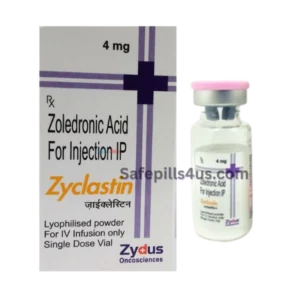


Description
Zoldria 4 Mg Injection Detailed Product Overview
Zoldria 4 Mg Injection is a prescription medicine given by healthcare professionals to control high calcium levels caused by cancer and to protect bones when cancer affects them. The active ingredient is zoledronic acid, a well known bisphosphonate that slows down bone breakdown. When bone loss is controlled, calcium stays in the bones where it belongs, so your risk of fractures and other painful bone events goes down. This is not a self use product. A nurse or doctor gives it through a vein in a clinic or hospital.What This Injection Is For And When Used
Doctors use Zoldria 4 Mg Injection to:- Treat high calcium in the blood due to cancer
- Reduce bone complications like fractures, spinal cord compression, and the need for radiation or surgery to bone in people with multiple myeloma or bone metastases from solid tumors
How It Works Inside Your Body
Zoledronic acid travels to active bone sites and attaches to the bone surface. It blocks the cells that break down bone. When bone breakdown slows, less calcium leaks into the blood and bones become more stable. You may not feel this right away. Effects on calcium can show within days, while the full bone protection builds over weeks and continues with regular dosing as advised by your specialist.Composition And Strength Information
- Active ingredient is zoledronic acid
- Strength per vial is four milligrams
- Route is intravenous infusion given by trained staff
- Excipients and exact pack details can vary by manufacturer, so check your label
Important Benefits You May Notice
- Helps bring high blood calcium back toward normal
- Lowers the risk of fractures and other bone events
- Can reduce the need for radiation or surgery to bone
- May ease bone pain as bone turnover settles Real results build with consistent treatment and follow up care. It is a steady process, not an instant fix, and that is normal.
Who Should And Should Not Use
Your care team may choose Zoldria 4 Mg Injection if:- You have cancer with bone involvement
- Your calcium is high due to cancer
- Imaging or lab tests show your bones are at risk
- You have severe kidney problems
- You have very low calcium that is not corrected yet
- You have a known allergy to bisphosphonates
- You are pregnant or breastfeeding
How Your Dose Is Given Safely
- Given as a slow intravenous infusion
- Infused over at least fifteen minutes to help protect kidneys
- Often paired with calcium and vitamin D supplements as advised
- You may be asked to drink extra water before and after unless you have a fluid limit
- High calcium correction is usually a single dose with follow up labs
- Bone protection in cancer is often every three to four weeks Your oncologist will tailor the plan based on your condition, kidney function, and lab results.
Clinical Monitoring And Lab Checks
Your team will usually check:- Kidney function before each dose
- Calcium, vitamin D, and sometimes phosphate and magnesium
- Symptoms, pain levels, and any new dental or jaw issues
Possible Side Effects And Warnings
Common short term effects:- Flu like feelings within two or three days such as low fever, chills, muscle or bone aches, tiredness
- Headache, nausea, mild stomach upset
- Low calcium symptoms like tingling around the mouth, muscle cramps, or unusual weakness
- Kidney related changes such as reduced urination or swelling in legs
- Eye inflammation, new thigh or hip pain, or severe bone joint or muscle pain
- Jaw bone problems that can affect healing after dental procedures
Important Drug Interactions And Precautions
Share a full list of your medicines and supplements at every visit. Extra care is needed with:- Diuretics and medicines that affect fluid or minerals
- Certain antibiotics and common pain relievers from the non steroid group
- Other drugs that strain the kidneys
- Other medicines that lower calcium
- Other bisphosphonates
Smart Tips For Better Tolerance
- Hydrate well before and after infusion if allowed
- Take calcium and vitamin D as prescribed to lower the chance of low calcium
- Plan light activities for one to two days after the first dose in case you feel flu like effects
- Keep excellent mouth care and schedule a dental check before treatment if possible
- Report tooth pain, jaw discomfort, or any mouth sore that does not heal
Storage And Handling Information Guide
The hospital or clinic pharmacy stores and prepares Zoldria 4 Mg Injection. If you ever need to transport a dose between facilities, keep it in the original pack and follow the storage instructions given by your care team. Do not freeze. Keep away from heat and direct light. Always keep medicines out of reach of children.Frequently Asked Questions About Zoldria Injection
What Is Zoldria 4 Mg Used For?
Zoldria 4 Mg contains zoledronic acid and is used to treat high calcium levels in the blood caused by cancer (hypercalcemia of malignancy). It is also prescribed to help manage bone complications in patients with certain types of cancer.
How Does Zoldria 4 Mg Work?
Zoldria belongs to a class of medicines called bisphosphonates. It works by slowing bone breakdown, reducing calcium release into the bloodstream, and helping strengthen bones.
How Is Zoldria 4 Mg Administered?
It is given as an intravenous (IV) infusion by a trained healthcare professional in a hospital or clinic setting.
How Often Is Zoldria 4 Mg Given?
The dosage schedule depends on the medical condition being treated. Your doctor will decide how frequently you need the injection based on your health status.
What Are the Common Side Effects?
Some patients may experience flu-like symptoms, fever, bone pain, fatigue, nausea, or headache after the infusion. These effects are usually mild and temporary.
Who Should Avoid Zoldria 4 Mg?
Patients with severe kidney problems, low calcium levels, or a known allergy to zoledronic acid should consult their doctor before receiving this medicine.
Is Monitoring Required During Treatment?
Yes. Kidney function, calcium levels, and overall health are typically monitored before and during treatment to ensure safety.
Can It Be Used During Pregnancy or Breastfeeding?
Zoldria 4 Mg is generally not recommended during pregnancy or breastfeeding unless specifically advised by a healthcare professional.