Description
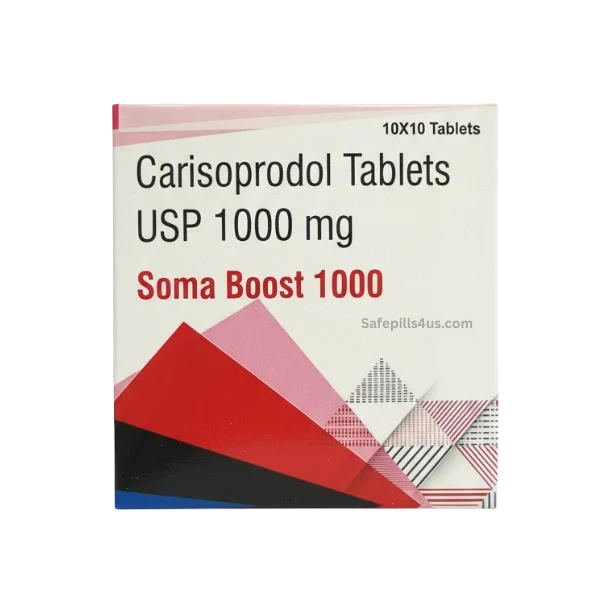
Soma Boost 1000 mg (Carisoprodol) – Short‑term relief for acute muscle spasm
Soma Boost 1000 mg contains carisoprodol, a centrally acting skeletal muscle relaxant used for short‑term relief of acute, painful musculoskeletal conditions. In plain words: it helps relax tight, spasming muscles so you can move easier while the strain or injury settles with rest and physical therapy.
Straight talk up front: carisoprodol is prescription‑only in many regions and can be habit‑forming. It’s meant for brief use (usually up to 2–3 weeks). Always follow your prescriber’s exact directions.
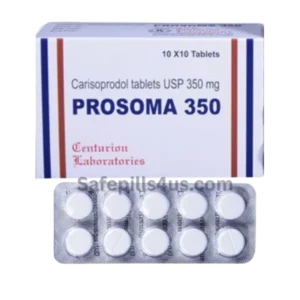
Important note on strength: 1000 mg as a single tablet or dose is not a typical carisoprodol strength. Standard single‑tablet strengths in many markets are 250 mg or 350 mg. If your package truly states “1000 mg per tablet,” verify with your pharmacist or prescriber before taking any—do not assume it’s the right dose. Taking too much carisoprodol can be dangerous.
What it does (simple version)
- Relaxes skeletal muscle via central nervous system effects to ease spasms and tightness
- Helps reduce pain from acute strains, sprains, and back/neck muscle tension
- Works best alongside rest, heat/ice, gentle stretching, and physical therapy
Onset is usually within 30–60 minutes, with effects lasting a few hours.
Who it’s for
- Adults with short‑term, acute muscle spasms or painful muscle conditions
- People whose clinician recommends a brief course while underlying injury heals
- Not for chronic daily use or long‑term management
If your pain is severe, unexplained, or comes with red‑flags like fever, weakness, loss of bladder/bowel control, chest pain, or numbness in the groin/saddle area—seek urgent medical care.
How to use it (follow your prescription)
- Take exactly as prescribed. Typical carisoprodol regimens use 250–350 mg up to four times daily (including bedtime) for no longer than 2–3 weeks. Dosing can vary your prescriber sets your plan.
- Take with food if it upsets your stomach.
- Do not increase the dose, take more often, or extend the duration without medical advice.
- If your pack says 1000 mg, pause and confirm. That amount in one go is higher than usual and can raise the risk of serious side effects.
Missed a dose: Take it when you remember unless it’s almost time for the next dose. Don’t double up.
What you may feel
- Reduced muscle tightness and spasm
- Less movement‑triggered pain
- Drowsiness or dizziness (common plan for it)
If you’re too sleepy or woozy, talk to your clinician. A dose adjustment or timing change may help.
Safety first (read this part)
Carisoprodol can cause sedation, dependence, and withdrawal if misused or used too long.
Do not use if:
- You’re allergic to carisoprodol, meprobamate, or other carbamates
- You have acute intermittent porphyria
Use with caution and only under medical advice if:
- You have liver or kidney problems
- You’re elderly (higher risk of falls and confusion)
- You’re pregnant or breastfeeding (safety isn’t well established)
- You have a history of substance use disorder
- You’re a known CYP2C19 poor metabolizer (higher levels possible—your prescriber will guide you)
Driving and machinery:
- Carisoprodol can make you drowsy and impair reaction time. Don’t drive or operate machinery until you know how it affects you.
Possible side effects
Common (often mild, sometimes fade with time):
- Drowsiness, dizziness, headache
- Nausea, stomach upset
- Tremor or a “lightheaded” feeling
Less common but important:
- Fast heartbeat, agitation or confusion
- Low blood pressure, fainting
- Rash or hives
Serious (get medical help right away):
- Severe allergic reaction: swelling of face/lips/tongue, wheezing, breath difficulty
- Severe weakness, extreme sleepiness, trouble waking
- Seizures
Dependence and withdrawal:
- Long or high‑dose use can lead to dependence. Stopping suddenly after prolonged use may cause anxiety, insomnia, nausea, tremors, or hallucinations. Don’t discontinue long‑term use abruptly—your clinician will taper you safely if needed.
Interactions to watch
Carisoprodol adds to the sedating effects of many medicines and substances.
Avoid mixing with:
- Alcohol
- Opioids (e.g., oxycodone, hydrocodone)
- Benzodiazepines (e.g., alprazolam, diazepam)
- Z‑drugs (e.g., zolpidem)
- Sedating antihistamines (e.g., diphenhydramine)
- Gabapentin or pregabalin, certain antipsychotics, strong sleep aids
Metabolism notes:
- Carisoprodol is metabolized via CYP2C19 to meprobamate (a sedative). Inhibitors of CYP2C19 (e.g., omeprazole, fluconazole) can raise levels; inducers (e.g., rifampin, St. John’s wort) can lower them. Always share your full med and supplement list with your prescriber.
OTC pain relievers:
- Many people combine carisoprodol with NSAIDs like ibuprofen or naproxen for short periods—only if your clinician says it’s okay and your stomach/kidneys/heart risks are low.
How long should you use it?
- Short term only generally up to 2–3 weeks. If you still need a relaxant beyond that, your clinician may reassess the diagnosis or switch strategies.
- If symptoms keep coming back, ask about physical therapy, posture/ergonomics, and other non‑drug options.
Storage and handling
- Store at room temperature, away from moisture and direct heat
- Keep out of reach of children, teens, and pets
- Do not share your medication
- Check expiry before use
Honest pointers that help the medicine work better
- Rest the injured area, but keep gentle, pain‑free movement going to avoid stiffness
- Use heat for tight muscles, ice for acute swelling 20 minutes at a time
- Stay hydrated; light stretching as advised by your clinician or therapist
- Fix your workstation or sleeping posture to avoid re‑straining the same muscle
- If nighttime spasms wake you, ask your clinician about timing a dose closer to bedtime (only within your prescribed schedule)
What’s inside
- Active ingredient: Carisoprodol (check your exact strength on the blister/bottle)
- Inactive ingredients: Vary by manufacturer (binders, fillers). If you have allergies or intolerances, review your pack’s excipients.
Frequently Asked Questions (FAQ)
Q: What is Soma Boost 1000 mg used for?
A: It contains carisoprodol, a muscle relaxant used short term to relieve acute, painful muscle spasms. It works best with rest, heat/ice, and physical therapy.
Q: Is 1000 mg a normal dose of carisoprodol?
A: No—1000 mg as a single dose isn’t typical. Standard single‑tablet strengths are often 250 mg or 350 mg. If your product truly states 1000 mg per tablet, confirm with your pharmacist or prescriber before taking any. Never exceed your prescribed dose.
Q: How fast will it work?
A: Many people feel relief within 30–60 minutes, with effects lasting a few hours. Drowsiness is common—plan your activities accordingly.
Q: How long can I take carisoprodol?
A: Usually for up to 2–3 weeks. It’s not meant for long‑term daily use due to risks of dependence and tolerance.
Q: Can I take it with ibuprofen or naproxen?
A: Often yes for short periods, but ask your clinician first—especially if you have stomach, kidney, or heart risks.
Q: Can I drink alcohol while taking Soma Boost?
A: No. Alcohol significantly increases sedation and can be dangerous with carisoprodol.
Q: Will it make me sleepy?
A: Drowsiness and dizziness are common. Don’t drive or use machines until you know how you react.
Q: Is carisoprodol addictive?
A: It can be habit‑forming if misused or used too long. Stick to the prescribed dose and duration. If you’ve used it for a prolonged period, don’t stop abruptly—ask your clinician about tapering.
Q: Can older adults use Soma Boost?
A: It’s generally not preferred in older adults due to higher risks of sedation, confusion, and falls. A clinician may choose safer alternatives.
Q: What if I miss a dose?
A: Take it when you remember unless it’s close to your next scheduled dose. Don’t double up.
Q: Can I split or crush the tablet?
A: Only if your tablet is scored and your pharmacist says it’s okay. Otherwise, swallow whole with water.
Q: I’m on anxiety meds/sleep pills. Is that a problem?
A: It can be. Many anxiety and sleep meds are sedating and can dangerously increase drowsiness when combined with carisoprodol. Share all meds with your prescriber to avoid unsafe combinations.
Q: Does it show up on a drug test?
A: Carisoprodol and its metabolite meprobamate may be detectable on some tests. If you’re tested, bring your prescription proof.
Q: I’m pregnant or breastfeeding. Can I use it?
A: Safety isn’t well established. Use only if your prescriber decides the benefits outweigh the risks.
Q: What are signs I should seek help immediately?
A: Trouble breathing, severe sleepiness, confusion, seizures, severe rash/swelling, fainting, or chest pain—get urgent care.




Reviews
There are no reviews yet.