Description
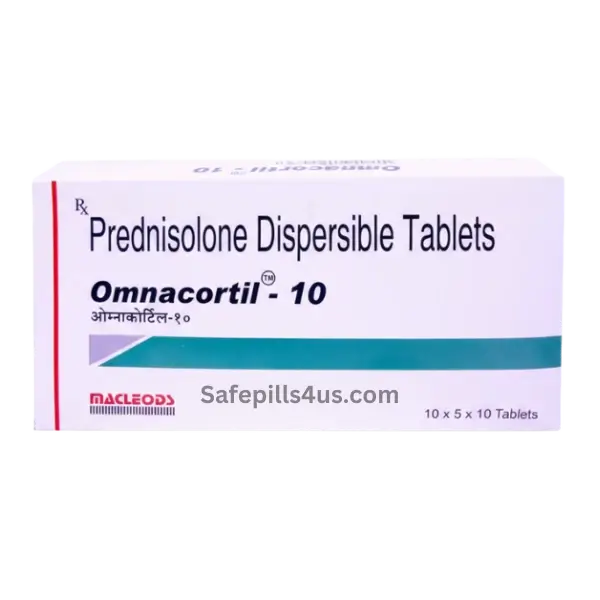
Omnacortil 10 mg is a Prednisolone tablet. It’s a corticosteroid, which is a fancy way of saying it calms down inflammation and reins in an overactive immune system. In plain words: when your body is flaring up red, itchy, swollen, painful this medicine helps dial it back. It’s prescription-only, so your doctor decides the dose and how long you should stay on it.
What people usually take it for:
- Allergic reactions like severe rashes, hives, or angioedema (as advised)
- Asthma flare-ups and other breathing issues caused by airway inflammation
- Skin conditions such as eczema, dermatitis, and psoriasis
- Autoimmune disorders including rheumatoid arthritis and lupus
- Eye inflammation (like uveitis) under specialist guidance
- Inflammatory bowel conditions (ulcerative colitis or Crohn’s) when needed
- Certain kidney, blood, or immune-related problems, if your doctor recommends it
Why It’s Used (and when it helps)
Prednisolone steps in when the immune system is going a bit overboard. It blocks inflammatory chemicals, so swelling eases, redness fades, and pain often settles. You may notice relief within hours for allergies; for ongoing conditions, it can take a day or two. It doesn’t cure the root cause, but it controls symptoms while your doctor manages the bigger picture.
Key Highlights
- Active ingredient: Prednisolone 10 mg
- Class: Corticosteroid (glucocorticoid)
- What it does: Reduces inflammation and immune activity
- Form: Oral tablet
- Onset: Usually hours to a few days (depends on the condition)
- Important: Do not stop suddenly; most people need a taper
How to Take Omnacortil 10 mg
- Take exactly as your doctor tells you. The dose and duration are personalized.
- Swallow with water, preferably after food to avoid stomach upset.
- Morning dosing is common; it pairs better with your body’s natural rhythm and sleep.
- If you’re on a tapering schedule, follow it strictly. Quitting overnight can make you feel unwell.
- Don’t crush or chew unless your pharmacist confirms it’s okay.
Missed a dose: Take it when you remember. If it’s close to your next dose, skip the missed one. Don’t double up.
Too much taken: Seek medical help right away if you’ve overdosed or feel unwell.
Who Should Avoid It or Use With Extra Care
Tell your doctor before starting if you have any of the following:
- Uncontrolled infections (steroids can lower your ability to fight germs)
- Recent or upcoming live vaccines
- Stomach ulcers, serious gut issues, or a history of GI bleeding
- Diabetes, high blood pressure, heart failure, or fluid retention
- Glaucoma, cataracts, or active eye infections
- Osteoporosis or a history of fractures
- Mood disorders or past steroid-related mood changes
- Allergy to Prednisolone or tablet ingredients
Your doctor will weigh benefits vs. risks and may adjust the plan or monitor you more closely.
Possible Side Effects
Like all steroids, side effects depend on dose and duration. Not everyone gets them, but it’s smart to know what could happen.
Common:
- Heartburn, indigestion, or stomach discomfort
- Bigger appetite and possible weight gain
- Mood swings, anxiety, irritability, or sleep trouble
- Facial puffiness or swelling in the legs (fluid retention)
- Higher blood sugar or blood pressure
- Acne or oily skin
Less common but serious (call your doctor quickly):
- Fever, chills, or sore throat that doesn’t fade (possible infection)
- Severe stomach pain, black or bloody stools (possible GI bleeding)
- Vision changes, eye pain, very bad headaches (glaucoma risk)
- Severe mood changes, confusion, or depression
- Muscle weakness, extreme fatigue (possible adrenal suppression)
- Bone thinning (osteoporosis) or unusual hip/shoulder pain
Tip: Using the lowest effective dose for the shortest needed time helps reduce risks.
Drug Interactions to Watch
Share your full medication list with your doctor, including OTC items and supplements. Prednisolone may interact with:
- NSAIDs (ibuprofen, naproxen) higher risk of stomach irritation/bleeding
- Blood thinners (warfarin) INR can shift; monitoring may be needed
- Diabetes medicines and insulin steroids can raise blood sugar
- Diuretics (water pills) or drugs that lower potassium
- Some antibiotics/antifungals (e.g., clarithromycin, ketoconazole)
- Anti-seizure medicines (phenytoin, carbamazepine) and rifampin
- Cyclosporine and certain HIV medications
- Oral contraceptives can change steroid levels in some cases
- Vaccines avoid live vaccines when on moderate to high steroid doses
Practical Warnings & Daily Tips
- Don’t stop suddenly. Tapering matters because your adrenal glands need time to wake up.
- Infections can be masked. If you feel “off,” feverish, or have symptoms that won’t go away, get checked sooner rather than later.
- Take with food. If you also use NSAIDs, ask whether you need stomach protection.
- Eye health: long-term use may increase cataract or glaucoma risk; eye checks help.
- Bones: if you’ll be on this for a while, your doctor may suggest calcium, vitamin D, or bone scans.
- Keep an eye on blood pressure and blood sugar, especially if you already have issues.
- Surgery or serious illness: make sure your medical team knows you’re on steroids (you may need stress dosing).
- Alcohol: best limited—both alcohol and steroids can bug your stomach.
Pregnancy & Breastfeeding
- Pregnancy: Sometimes needed; your doctor will balance benefits and risks for your situation.
- Breastfeeding: Small amounts pass into milk. Timing feeds and using the lowest effective dose may be considered. Always check with your doctor.
Storage & Handling
- Store in a cool, dry place, away from direct sunlight and moisture.
- Keep out of reach of children and pets.
- Do not use after the expiry date.
- Keep tablets in the original strip or container until use.
What Makes Omnacortil 10 mg a Solid Choice
- Reliable active ingredient (Prednisolone) that doctors trust across many conditions
- Works fast for many allergic and inflammatory problems
- Flexible dosing that can be increased or tapered as needed
- Fits treatment plans across dermatology, respiratory, rheumatology, ophthalmology, and more
Frequently Asked Questions (FAQ)
Q1) What is Omnacortil 10 mg used for?
A) It’s a Prednisolone tablet that reduces inflammation and calms an overactive immune response. It’s commonly used for allergies, asthma flares, skin problems like eczema and psoriasis, autoimmune conditions, some eye inflammations, and other doctor-advised uses.
Q2) How fast will it work for me?
A) Some people feel relief within hours (allergies are often quick). For chronic conditions, it might take a day or two to notice steady improvement.
Q3) Can I stop taking it when I feel okay?
A) Don’t stop on your own. Most patients need a tapering plan so the body can adjust safely.
Q4) Should I take Omnacortil 10 mg with food?
A) Yes. Taking it after food can help prevent stomach upset and heartburn.
Q5) Will it make me gain weight?
A) It can increase appetite and cause fluid retention, especially at higher doses or longer use. A balanced diet and light activity can help.
Q6) Is it safe if I have diabetes?
A) Steroids can raise blood sugar. Your doctor may adjust your diabetes medicines and ask you to monitor more closely.
Q7) Can I drink alcohol while using Prednisolone?
A) Better to limit alcohol. Both alcohol and steroids can irritate the stomach and add bleeding risk.
Q8) Are vaccines allowed during treatment?
A) Avoid live vaccines if you’re on moderate to high doses. Non-live vaccines may be fine your
doctor will guide you.
Q9) What if I miss a dose?
A) Take it when you remember. If it’s almost time for the next one, skip the missed dose. Don’t double up.
Q10) Does it affect sleep or mood?
A) It can, yes. Some people feel wired, irritable, or down. Morning dosing helps. If mood changes feel strong or unusual, tell your doctor.
Q11) Why is tapering important?
A) Prednisolone can temporarily slow your body’s own steroid production. Tapering lets your adrenal glands wake back up safely.
Q12) Can kids take Omnacortil 10 mg?
A) Sometimes, under specialist supervision. Long-term use can affect growth, so doctors aim for the lowest effective dose.
Related Products You May Consider
- Omnacortil 5 mg (Prednisolone) – lower strength for gentle dose adjustments and tapers
- Omnacortil 20 mg (Prednisolone) – higher strength when a stronger dose is prescribed
- Wysolone 10 mg (Prednisolone) – same active ingredient, alternate brand option
- Predmet 16 mg (Prednisolone) – mid-strength tablet used in specific regimens
- Medrol (Methylprednisolone) 8 mg/16 mg – alternative corticosteroid, doctor-directed
- Deflazacort 6 mg – different steroid sometimes chosen when Prednisolone isn’t suitable



Reviews
There are no reviews yet.