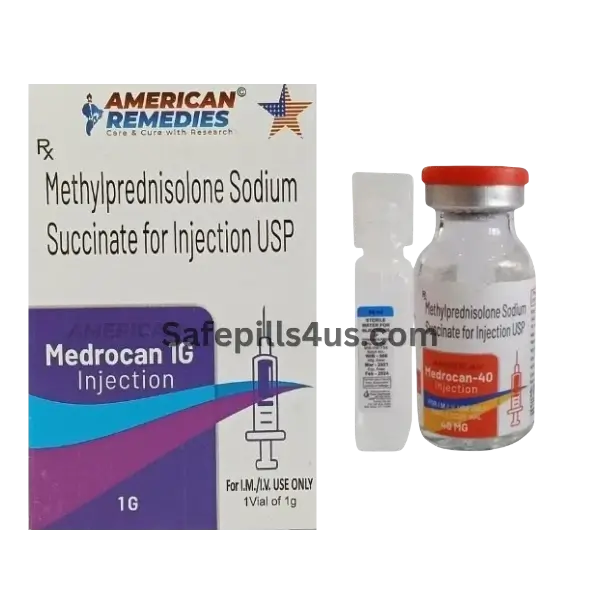
Get to Know Medrocan 1000 mg injection (Methylprednisolone)
Medrocan 1000 mg Injection is a high-dose methylprednisolone given by healthcare professionals when strong, fast-acting anti-inflammatory treatment is needed. It’s a corticosteroid medicine used in hospitals and clinics, not something to self-inject at home. When your immune system is in high gear causing serious swelling, severe flare-ups, or nerve-related inflammation this medicine helps calm things down quickly so your care team can stabilize symptoms and move you toward recovery.
You might hear your team call it pulse steroids. That just means a powerful dose is delivered over a short window to get control fast. It’s not an antibiotic, and it’s not a routine pain reliever. It targets inflammation at the source, which can help with comfort, mobility, breathing, and overall function.
What this Hospital-Strength injection is Used for
Your clinician may use Medrocan 1000 mg (methylprednisolone) as part of treatment plans for serious inflammatory conditions, such as:
- Acute relapses of multiple sclerosis or other demyelinating disorders
- Severe autoimmune flares (for example, lupus or vasculitis) as directed by a specialist
- Sudden, significant arthritis or connective tissue disease flare-ups
- Advanced allergic or inflammatory reactions as adjunct therapy
- Severe asthma or COPD exacerbations under close supervision
- Swelling around the brain, spinal cord, or nerves, when appropriate
- Certain transplant-related or oncology protocols as part of specialist-guided care
Because this is a strong systemic steroid, it’s usually used for a short course to control a flare, often followed by a transition to other medicines or a tapered oral steroid, if needed.
How this High-Dose Steroid Works in the Body
Your body naturally makes cortisol, which helps manage inflammation. Methylprednisolone works like a more targeted version of that hormone. When tissues are angry and inflamed, immune cells release chemicals that cause swelling, redness, pain, and mucus. Medrocan 1000 mg turns down those signals across multiple pathways. The result is less immune overreaction, less fluid buildup, and a calmer inflammatory response.
It’s not a “rescue” bronchodilator, so it won’t pop open airways in seconds during an asthma attack. But it can reduce the underlying inflammation that fuels attacks and flares, which is why it’s so helpful as part of a broader treatment plan.
Who May be Prescribed this Medicine in Clinic
Your provider may choose Medrocan 1000 mg Injection if:
- Symptoms are severe and need rapid, reliable control
- Oral medicines are not enough, not tolerated, or not appropriate
- A specialist protocol calls for high-dose IV steroids for a defined period
- There’s tissue or nerve swelling that needs quick reduction
If you have diabetes, high
blood pressure, glaucoma, cataracts, peptic ulcer disease, osteoporosis, a history of mood disorders, or a current infection, your team will weigh benefits and risks carefully before proceeding.
How Dosing and Administration Usually Take Place
- Given by professionals only: This injection is prepared and administered in a hospital or clinic by trained staff.
- Typical schedule: High-dose “pulse” therapy is often given once daily for 1 to 3 days. Some protocols extend to 5 days. Your exact plan depends on your condition.
- Route and timing: Usually an intravenous infusion, commonly over about 30–60 minutes, though timing can vary by protocol.
- Follow-up care: Many patients transition to lower-dose oral steroids with a taper, or switch to maintenance therapies as the flare settles.
- Do not stop suddenly: If you’ve been on steroids for more than a brief course, your body may need a taper. Your provider will set the schedule.
Safety Warnings You Should Understand Beforehand
Methylprednisolone is powerful. Your care team will monitor you and may check vitals and labs. Be aware of:
- Infection risk: Steroids can make infections easier to catch and harder to spot. Report fever, chills, cough, painful urination, or new symptoms quickly.
- Blood sugar spikes: Levels can jump, especially if you have diabetes or prediabetes. You may need more frequent checks and temporary dose adjustments of diabetes meds.
- Blood pressure and fluid: Can raise blood pressure or cause swelling. Let your team know about headaches, ankle swelling, or sudden weight changes.
- Stomach and bleeding risk: Steroids plus NSAIDs raise ulcer and bleeding risk. Report severe stomach pain, black stools, or vomiting that looks like coffee grounds.
- Mood and sleep changes: You may feel wired, irritable, anxious, or unusually upbeat. Rarely, mood shifts can be severe—tell your provider if anything feels off.
- Eyes and bones: With longer courses, steroids can increase eye pressure and thin bones. High-dose pulses are usually short, but your history still matters.
- Vaccines: Live vaccines are generally avoided while receiving systemic steroids unless your doctor says otherwise.
- Adrenal suppression: Your natural steroid production can drop. That’s why tapering and stress-dose plans during surgery or serious illness are important.
Seek urgent care for trouble breathing, severe allergic reaction, vision changes, confusion, black stools, or thoughts of self-harm.
Side Effects You Might Notice During Treatment
Short-term, high-dose IV steroids are often well tolerated, but you may experience:
- Metallic taste in the mouth or facial flushing during infusion
- Headache, dizziness, or a jittery feeling
- Upset stomach or heartburn
- Increased appetite or mild fluid retention
- Trouble sleeping or restlessness
- Mood changes, anxiety, or irritability
- Temporary increases in blood sugar or blood pressure
Call your provider for signs of infection, severe stomach pain, dramatic mood or behavior changes, unusual bruising, muscle weakness, or vision problems. Many effects ease as the dose is lowered or treatment ends.
Interactions Your Care Team Should Double-Check
Share your full medication and supplement list. Important interactions include:
- Strong enzyme inducers: rifampin, carbamazepine, phenytoin can reduce steroid levels and effect
- Strong inhibitors: ketoconazole, clarithromycin, itraconazole, cobicistat, ritonavir can raise steroid exposure
- Blood thinners: warfarin levels and INR may shift; monitoring is key
- NSAIDs: ibuprofen, naproxen increase ulcer and bleeding risk when combined
- Diuretics and certain heart meds: may lower potassium and affect fluid balance
- Diabetes medicines: insulin and oral agents may need temporary adjustments
- Biologics or other immunosuppressants: additive immune effects require careful oversight
- Live vaccines: generally avoided during systemic steroid therapy
Practical Tips for Patients and Caregivers
- Eat a light snack before infusion if allowed to reduce stomach upset.
- If you have diabetes, bring your meter and supplies; check sugars as instructed.
- Limit salty snacks and stay hydrated to help with fluid retention.
- Plan for possible sleep disruption; taking doses earlier in the day can help when the schedule allows.
- Keep a simple symptom log so your team can see how you’re responding.
- Ask about a follow-up plan, including whether you’ll need an oral taper and any lab checks.
Storage, Handling, and Package Information
- For professional use: Medrocan 1000 mg is supplied as methylprednisolone for injection, typically a powder that is reconstituted before use.
- Single-use vial: Prepared immediately before administration and used promptly. Any unused portion is discarded per facility policy.
- Storage: Keep as labeled, usually at controlled room temperature, protected from moisture and excessive heat. Staff will manage storage and preparation.
- Do not self-administer: This product is intended for administration by trained healthcare personnel only.
Frequently Asked Questions About Medrocan 1000 mg Injection
How fast does this start working?+
Many patients notice improvement within hours, and clinicians often see the most benefit over the first 24 to 72 hours, depending on the condition being treated.
Will I need to take pills after the infusion?+
Sometimes, yes. Your provider may switch you to an oral steroid with a taper or to other maintenance medicines to help keep symptoms under control.
Can I drive after getting the infusion?+
Most people can, but if you feel dizzy, jittery, or unwell, arrange a ride and take it easy for the rest of the day.
Is this the same as prednisone?+
They are in the same steroid family and work similarly, but they are different medicines with different dosing. Your provider chooses based on your condition and response.
Does this replace epinephrine in severe allergies?+
No. Epinephrine is the first-line treatment for anaphylaxis. Steroids may be used as add-on therapy, but they do not replace epinephrine.
Will I gain weight from a short course?+
Short courses can increase appetite and cause some water retention. Significant weight gain is more common with longer-term steroid use.
Can I get vaccines after treatment?+
Inactivated vaccines are often fine. Live vaccines are usually delayed. Check with your healthcare provider for specific timing.
Is it safe during pregnancy or breastfeeding?+
Your clinician will weigh the benefits and risks for your situation. Do not start, stop, or delay treatment without medical advice.