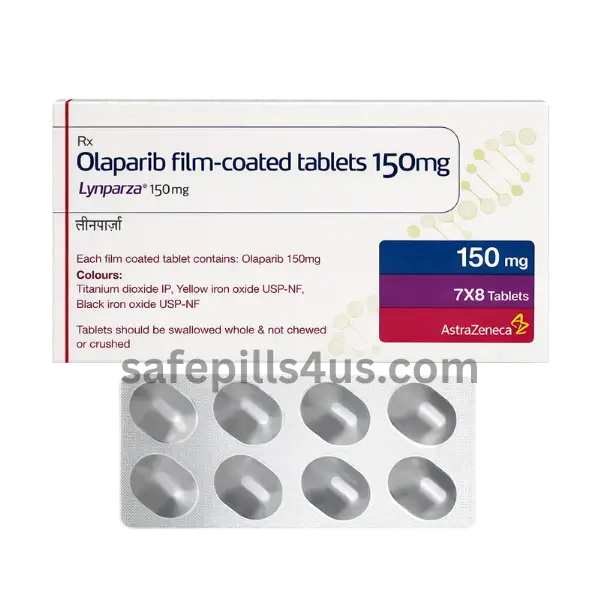
Lynparza 150 mg At a Glance
Lynparza 150 mg (olaparib) is a prescription oral cancer medicine designed to target tumors with specific DNA repair weaknesses. It belongs to a class called PARP inhibitors. In plain English, it makes it harder for certain cancer cells to fix themselves, so they’re more likely to slow down or die. Many oncology teams use Lynparza as part of a personalized plan for adults with select ovarian, breast, pancreatic, or prostate cancers, often when gene changes like BRCA1/BRCA2 or other homologous recombination repair (HRR) mutations are present.
This is a film-coated tablet taken by mouth. Your exact dose and schedule are set by your oncology provider. Always follow their directions closely.
How Lynparza 150 mg Works
Your cells experience small bits of DNA damage every day. Healthy cells have backup systems to patch things up. Cancer cells with certain gene changes are not so great at repairs. Lynparza blocks an enzyme called PARP, which those fragile cancer cells rely on. Without that tool, damage piles up. Over time, that can make it harder for the cancer cells to survive and multiply. Because it zeroes in on a known weakness, Lynparza is considered a targeted therapy rather than traditional chemotherapy.
Who Lynparza 150 mg May be for
Your doctor may discuss Lynparza if your testing shows certain genetic features and your diagnosis fits approved uses. It’s commonly considered in adults for:
- Maintenance therapy after a good response to platinum-based chemotherapy in select ovarian cancers
- Some HER2-negative breast cancers with germline BRCA mutations, in early or metastatic settings
- Maintenance treatment for certain pancreatic cancers with germline BRCA mutations
- Specific metastatic castration-resistant prostate cancers with qualifying HRR gene alterations
Only your oncology team can confirm if Lynparza matches your cancer type, stage, prior treatments, and genetic results.
Why Many Teams Choose Lynparza150 mg
- Targeted approach: Focuses on tumors with DNA repair vulnerabilities
- Oral convenience: Taken at home, so it can fit into daily life more easily
- Maintenance potential: Often helps maintain response after chemotherapy in some cancers
- Well-studied option: Backed by multiple clinical studies across tumor types
What to Tell Your Care Team First
Before starting, share a complete health picture. It helps your team keep you safe and comfortable.
- All medicines and supplements you take, including over-the-counter items
- Any history of blood disorders, lung issues, kidney problems, or liver problems
- Pregnancy status or plans to become pregnant, and whether you’re breastfeeding
- Any past reactions to cancer treatments or anesthesia
- If you use grapefruit, Seville oranges, or St. John’s wort (they can interact)
Dosing Basics and How to Take it
- Take Lynparza exactly as prescribed by your oncology provider
- Swallow tablets whole with water; do not crush, chew, or split
- You can take it with or without food, unless your doctor tells you otherwise
- If you miss a dose, follow your provider’s guidance; do not take extra tablets to “make up” a dose unless instructed
- Your dose may change over time based on labs, side effects, or other medicines
Never start, stop, or change how you take Lynparza without checking with your care team first.
Possible Side Effects Explained Simply
Like most cancer medicines, Lynparza can cause side effects. Not everyone has the same experience, and many effects are manageable with support from your team.
Commonly discussed effects include:
- Nausea, vomiting, or decreased appetite
- Tiredness or low energy
- Anemia and other low blood counts
- Headache or dizziness
- Diarrhea or constipation
Less common but serious risks can happen, such as significant drops in blood counts, rare bone marrow disorders, or lung-related inflammation. That’s why regular lab tests and check-ins matter. Call your provider promptly if you notice:
- Fever, chills, or signs of infection
- Unusual bruising or bleeding
- Shortness of breath, new or worsening cough, or chest discomfort
- Severe or persistent nausea, vomiting, or weakness
This is not a complete list. Your oncology team will tell you what to watch and when to call.
Drug interactions and Important Cautions to Know
Some medicines can raise or lower olaparib levels in your body. Your team will screen for interactions, but here are common flags:
- Strong CYP3A inhibitors or inducers (your pharmacist can help identify these)
- Grapefruit or Seville oranges, which can affect drug levels
- Herbal supplements like St. John’s wort
Pregnancy and breastfeeding:
- Lynparza can harm an unborn baby, so effective birth control is usually recommended during treatment and for a time after your last dose (your provider will specify how long)
- Do not breastfeed while taking Lynparza and for a period after the final dose as directed by your provider
Storage, Handling, and Everyday Tips
- Store at room temperature, away from excess heat and moisture
- Keep tablets in the original container with the label intact
- Keep out of reach of children and pets
- If traveling, carry your medication in your hand luggage with a copy of your prescription
- Use a simple system like a phone reminder or pill organizer—to stay on schedule
- Bring a running list of symptoms and questions to appointments; it helps your team help you faster
When to Call Your Doctor Right Away
- Fever of 100.4°F (38°C) or higher, or shaking chills
- Shortness of breath, persistent cough, or chest pain
- Unusual bleeding, black or tarry stools, or severe fatigue
- Severe nausea or vomiting that prevents you from keeping fluids down
- Any symptom that feels sudden, intense, or worrying
Frequently Asked Questions
Is Lynparza 150 mg a chemotherapy drug?+
No. Lynparza is a targeted therapy known as a PARP inhibitor. It does not work like traditional chemotherapy, although side effects can still occur and need monitoring.
Do I need genetic testing before using Lynparza?+
Often, yes. Many approved uses involve BRCA1, BRCA2, or other HRR gene changes. Your provider may recommend tumor testing or germline testing to confirm whether it is appropriate for you.
Can I take Lynparza with food or coffee?+
You can usually take Lynparza with or without food unless your doctor advises otherwise. Coffee is generally acceptable, but avoid grapefruit and Seville oranges. Always check with your care team about your routine.
Is 150 mg the right strength for me?+
The 150 mg tablet is one available strength. Your provider will decide your total dose and schedule. Sometimes this means taking more than one tablet per dose. Follow your exact prescription.
What if I feel very tired on treatment?+
Fatigue is common. Pacing your day, light activity, staying hydrated, and balanced meals may help. Tell your care team if fatigue limits daily activities, as they may adjust your treatment plan.
How long will I stay on Lynparza?+
It varies. Many people continue treatment while it is working and side effects remain manageable. Your oncologist will review scans, lab results, and symptoms to decide how long to continue.
Can I keep working or driving while on Lynparza?+
Many patients can, but it depends on side effects such as fatigue or dizziness. See how you feel and follow your provider’s guidance. Safety should come first.
What’s the difference between Lynparza tablets and capsules?+
Lynparza is available as tablets in strengths such as 150 mg and 100 mg. Your provider will prescribe the form and strength that fit your treatment plan. Do not substitute or switch forms unless your doctor instructs you to.