Description
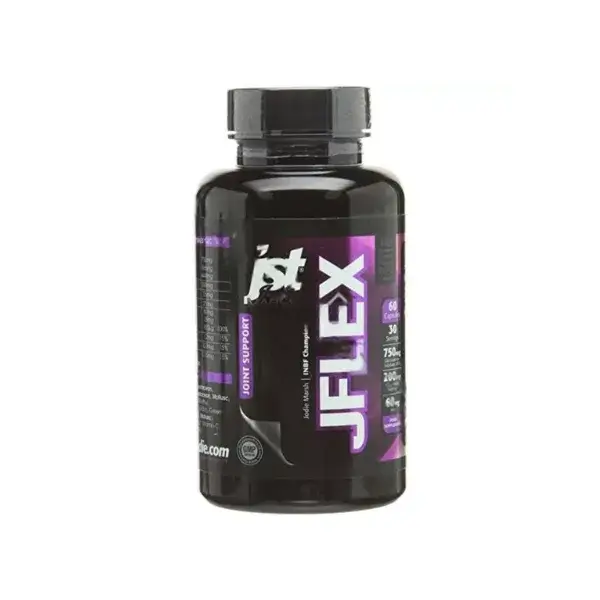
J Flex 100 mg Capsule (Aceclofenac)
J Flex 100 mg Capsule is a pain and inflammation reliever for joints and muscles. It usually contains aceclofenac 100 mg, an NSAID that helps calm swelling and reduce pain so daily movement feels a bit easier. People use it for osteoarthritis, rheumatoid arthritis, ankylosing spondylitis, and those stubborn back or neck flare‑ups.
What J Flex 100 mg Helps With
- Osteoarthritis (knee, hip, hand pain and stiffness)
- Rheumatoid arthritis (joint swelling and tenderness)
- Ankylosing spondylitis (back/hip stiffness, morning pain)
- Musculoskeletal pain: back/neck strain, sprains, sports injuries
- Dental or post‑injury pain when inflammation is the driver (as advised by your prescriber)
How It Works
When tissues are inflamed, your body makes prostaglandins little messengers that turn up pain and swelling. Aceclofenac blocks COX enzymes that create those messengers. Fewer prostaglandins = calmer joints and less ache. Not a sedative, not an opioid—just an anti‑inflammatory doing its job.
Directions & Dosage Basics
- Take exactly as prescribed. Don’t self‑adjust.
- Many adults take 100 mg twice daily with food or milk. Food helps protect your stomach.
- Swallow capsules whole—don’t crush or open.
- Missed a dose? Take it when you remember unless it’s close to your next dose. Don’t double up.
- Use the lowest effective dose for the shortest time needed (golden rule for NSAIDs).
What to Expect
- Relief may begin within a few hours, with best effect after steady, scheduled dosing.
- Taking it with a meal can cut down on heartburn or nausea.
- If pain isn’t improving after a few days (for short‑term use) or you need long‑term therapy, check in with your prescriber for fine‑tuning.
Side Effects
Common
- Upset stomach, heartburn, indigestion, nausea
- Headache, dizziness
- Mild swelling in legs/feet, slight blood pressure rise
- Rash or itching
Serious (get help fast)
- Black/bloody stools or vomit that looks like coffee grounds (GI bleeding)
- Chest pain, shortness of breath, sudden weakness, slurred speech
- Severe, persistent stomach pain
- Yellowing skin/eyes, dark urine (possible liver issue)
- Facial swelling, hives, trouble breathing (allergic reaction)
Warnings & Precautions
- Stomach/GI: NSAIDs can cause irritation, ulcers, or bleeding. Risk is higher if you’re 65+, have a history of ulcers, drink alcohol, smoke, or take steroids/SSRIs/SNRIs.
- Heart/vascular: NSAIDs may raise the risk of heart attack or stroke, especially with longer use or heart disease. Not for right before/after CABG surgery.
- Kidneys/liver: Can affect kidney function and liver enzymes—extra caution if you already have kidney or liver issues.
- Asthma/allergy: If aspirin or other NSAIDs ever triggered asthma, hives, or a severe reaction, avoid unless your doctor clears it.
- Pregnancy/breastfeeding: Avoid in the third trimester. Discuss earlier in pregnancy or if breastfeeding.
- Alcohol: Can worsen stomach irritation—limit or avoid.
Drug Interactions
- Blood thinners/antiplatelets (warfarin, clopidogrel) → higher bleeding risk
- Corticosteroids, SSRIs/SNRIs → higher GI bleeding risk
- ACE inhibitors, ARBs, diuretics → kidney effects; may blunt BP control
- Lithium, methotrexate, cyclosporine, digoxin → possible level/toxicity changes
- Other NSAIDs or high‑dose aspirin → don’t stack (more risk, little added benefit)
Always share your full med and supplement list with your prescriber or pharmacist.
Who Should Not Use J Flex 100 mg
- Allergy to aceclofenac, diclofenac, or any capsule ingredient
- Active stomach ulcer or GI bleeding
- Right before/after CABG heart surgery
- Severe kidney or liver disease without close medical supervision
- History of aspirin‑sensitive asthma or severe NSAID reactions (unless cleared by a clinician)
- Children and teens only if specifically directed by a clinician
Storage & Handling
- Store at room temperature in a dry place, away from heat and sunlight
- Keep out of reach of children and pets
- Do not use past the expiration date printed on the pack
Frequently Asked Questions
Q: What is J Flex 100 mg Capsule used for?
A: Relief of inflammatory pain and stiffness in osteoarthritis, rheumatoid arthritis, ankylosing spondylitis, and muscle or joint sprains/strains when your prescriber recommends it.
Q: How do I take J Flex 100 mg?
A: Usually 100 mg twice daily with food. Follow your prescription label and don’t change the dose on your own.
Q: Can I take it with paracetamol (acetaminophen)?
A: Often yes, since paracetamol isn’t an NSAID. But confirm with your prescriber or pharmacist first.
Q: Is it safe for long‑term use?
A: It can be under medical supervision, but NSAIDs carry GI, heart, kidney, and liver risks. Use the lowest effective dose and schedule regular check‑ins.
Q: Can I drink alcohol while on J Flex?
A: Better to limit or avoid—alcohol increases stomach irritation and bleeding risk with NSAIDs.
Q: What if I miss a dose?
A: Take it when remembered unless it’s close to your next dose. Don’t double up.
Q: Will it make me sleepy?
A: Aceclofenac isn’t usually sedating, but dizziness or headache can happen. See how you feel before driving.


Reviews
There are no reviews yet.