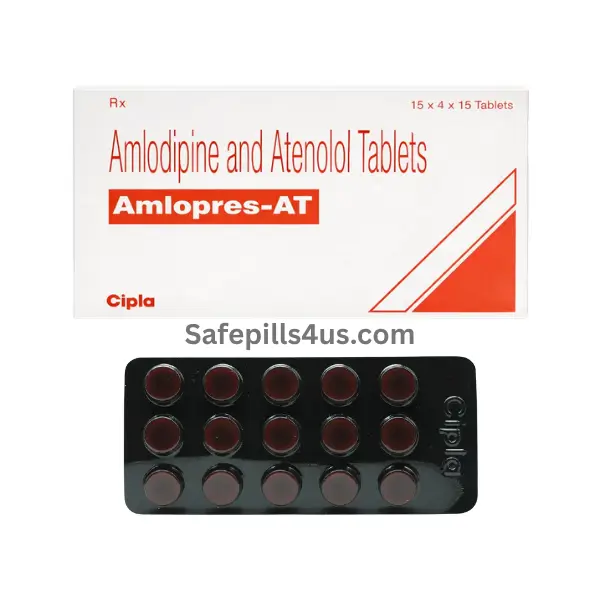
Product Overview Of Amlopres AT 50 Mg Tablets
Amlopres AT 50 mg tablets are a prescription combination medicine used to help manage high blood pressure (
hypertension) and prevent chest pain due to angina. They bring together two proven heart medications amlodipine and atenolol so you get blood vessel relaxation and a steadier, slower heart rate in one daily pill. That combo helps lower blood pressure more effectively in many people than either drug alone.
Who might benefit? Adults whose blood pressure isn’t fully controlled on a single agent, people with both high blood pressure and a fast heart rate, and those who have angina episodes that need better day‑to‑day prevention. As always, your doctor will decide if this exact strength and combo are right for you.
How Amlopres AT 50 Mg Works In The Body
This tablet works on two fronts. Amlodipine relaxes and widens blood vessels, so blood flows more easily and blood pressure drops. Atenolol slows the heart down a touch and reduces the force of contraction, which lowers blood pressure and cuts the heart’s workload. Together, they help bring numbers into a healthier range and reduce the chance of angina attacks because your heart isn’t fighting so hard to pump.
Key Benefits Of Amlopres AT 50 Mg Tablets
- Helps lower and stabilize high blood pressure, which supports heart, brain, and kidney health.
- Reduces the frequency and severity of angina episodes.
- Two mechanisms in one pill: vessel relaxation plus heart‑rate control.
- Once‑daily convenience encourages better adherence.
- May smooth out blood pressure throughout the day, including early morning surges.
- Useful when a single medicine hasn’t been enough to control readings.
- Can be combined with other antihypertensives if your doctor advises.
Recommended Dosage And Usage Guidance
- Typical adult dose often one tablet once daily, taken at the same time each day. Your doctor sets the exact dose and may adjust based on your blood pressure, heart rate, and overall response.
- Take with or without food. Swallow whole with water; don’t crush unless your prescriber says it’s okay.
- If you miss a dose, take it when you remember unless it’s almost time for the next one. Don’t double up.
- Do not stop suddenly. Abruptly discontinuing a beta blocker like atenolol can trigger rebound symptoms, including chest pain or a spike in blood pressure. Your doctor will guide any taper.
- Special populations dose adjustments may be needed in kidney issues (atenolol clearance is renal) and in older adults. Always follow your clinician’s plan.
Possible Side Effects And Safety Tips
Common side effects (often mild and temporary):
- Dizziness or lightheadedness, especially when standing up quickly
- Tiredness, slow pulse, or cold hands/feet
- Swelling of ankles/feet (amlodipine‑related edema)
- Headache, flushing, or nausea
- Stomach upset or constipation
- Sleep disturbances or vivid dreams (less common)
Less common but serious seek medical advice promptly:
- Very slow heartbeat, fainting, or pronounced weakness
- Worsening chest pain or shortness of breath
- New or worsening heart block, severe drop in blood pressure
- Wheezing or bronchospasm (caution in asthma/COPD)
- Signs of allergic reaction: rash, swelling of lips/tongue, difficulty breathing
Safety tips:
- Alcohol can amplify dizziness and blood pressure lowering go easy and see how you respond.
- Grapefruit/grapefruit juice may increase amlodipine levels; limit or discuss with your doctor.
- People with asthma/COPD, certain heart rhythm problems, severe peripheral circulation issues, or untreated heart failure need special caution with beta blockers make sure your clinician knows your history.
- Diabetes: atenolol may mask fast heartbeat during low blood sugar. Monitor glucose closely.
- Drug interactions to mention to your prescriber: other blood pressure/heart medicines (verapamil/diltiazem, clonidine, digoxin), NSAIDs used long‑term, and any new supplements.
- Not recommended in pregnancy or while breastfeeding unless your doctor decides benefits outweigh risks.
Storage & Handling Instructions
- Store in a cool, dry place below 25°C, away from direct sunlight and moisture.
- Keep tablets in the original blister pack until use to protect from humidity.
- Keep out of sight and reach of children and pets.
- Do not use after the expiry date or if the pack is damaged.
- Return unused or expired medicines to a pharmacy for safe disposal don’t flush or bin loosely.
Frequently Asked Questions About Amlopres AT 50 Mg
How quickly will Amlopres AT 50 mg start lowering blood pressure?+
You may notice some blood pressure reduction within a few hours after taking Amlopres AT 50 mg, but steady and consistent control usually develops over several days to a couple of weeks. Continue taking it daily as directed by your healthcare provider.
Is Amlopres AT 50 mg the same as plain amlodipine?+
No. Amlopres AT 50 mg contains a combination of amlodipine (5 mg) and atenolol (50 mg). This combination helps relax blood vessels and also slows the heart rate, providing two mechanisms for controlling blood pressure.
Can I take Amlopres AT 50 mg in the morning or evening?+
Amlopres AT 50 mg can be taken either in the morning or evening. The most important thing is taking it at the same time each day. If you feel dizziness or sleepiness, some people prefer taking it at night.
What if my ankles swell while taking Amlopres AT 50 mg?+
Mild ankle swelling can occur with the amlodipine component of Amlopres AT 50 mg. Elevating your legs, reducing salt intake, and speaking with your doctor may help. Your provider may adjust the dose or suggest supportive measures if needed.
Can I exercise while taking Amlopres AT 50 mg?+
Yes. Regular exercise supports healthy blood pressure control while using Amlopres AT 50 mg. However, atenolol may lower your maximum heart rate, so judge exercise intensity by how you feel rather than heart rate targets alone.
Is Amlopres AT 50 mg safe for people with asthma or COPD?+
Beta blockers like atenolol in Amlopres AT 50 mg may trigger breathing problems in some people with asthma or COPD. If you have a respiratory condition, discuss the risks and possible alternatives with your healthcare provider before using it.