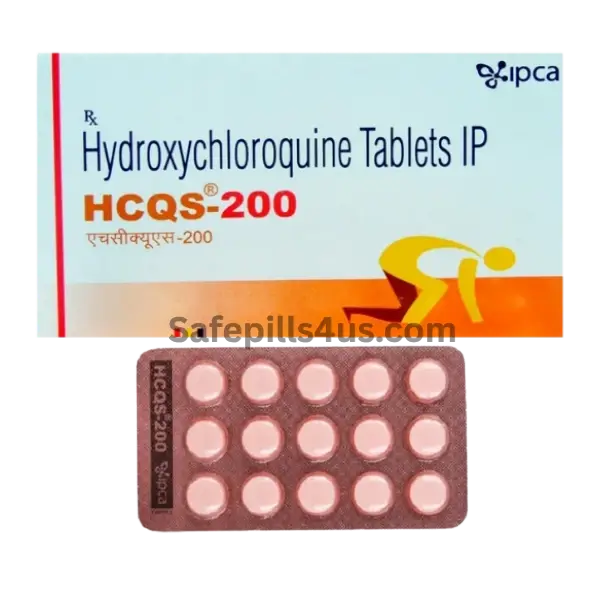
Hydroxychloroquine Sulfate 200 mg Tablets (HCQs 200 mg) Product Overview
HCQs 200 mg (hydroxychloroquine sulfate) is a prescription tablet used to prevent and treat certain types of malaria and to help manage autoimmune conditions like rheumatoid arthritis and lupus. It’s been on the market for decades, so it’s well studied and widely trusted for long-term care. Each film-coated tablet delivers 200 mg of hydroxychloroquine sulfate, the active ingredient that helps calm immune activity and, in malaria, targets the parasite inside red blood cells.
This is a prescription-only medication. Use exactly as directed by your licensed healthcare provider. If you want a simple, clear rundown of what it does, how to take it, and what to watch for, you’re in the right place.
Who this Medication is for and What it Helps
- Malaria: prevention and treatment of malaria caused by certain Plasmodium species, as decided by your prescriber
- Rheumatoid arthritis: helps reduce joint pain, swelling, and stiffness over time
- Lupus (systemic or discoid): helps lower flares, rashes, fatigue, and joint discomfort
Some people read about hydroxychloroquine for other uses online, but you should follow the plan your provider recommends for your specific condition.
How Hydroxychloroquine Sulfate Works in the Body
Hydroxychloroquine works a little differently depending on why you take it.
- For autoimmune conditions: it dials back overactive immune signals that drive chronic inflammation. Over time, that can mean fewer flares, steadier joints, and calmer skin.
- For malaria: it interferes with the parasite’s processing of heme inside red blood cells, which helps stop the infection from growing.
It doesn’t act overnight for arthritis or lupus. Most people start to feel a difference after several weeks, with full effect building across a few months. For malaria prevention or treatment, your prescriber will create a schedule tailored to your travel plans or clinical needs.
Why Choosing HCQs 200 mg Makes Good Sense
- Time-tested medication with decades of real-world use
- Straightforward 200 mg strength that supports simple dosing plans
- Generic formulation that helps keep ongoing therapy affordable
- Film-coated tablet designed to make swallowing easier
- Often used as a background medication to support long-term control in rheumatology care
Simple Directions for Taking Your Tablets
Always follow your prescriber’s instructions. These general tips keep things smooth:
- Take your dose at the same time each day to build a routine.
- Take with food or milk if your stomach feels sensitive.
- Swallow tablets whole with water. Do not crush, chew, or split unless your pharmacist confirms your specific product allows it.
- Missed dose? Take it when you remember unless it’s close to your next dose. Don’t double up. If you’re unsure, ask your pharmacist or provider.
- Antacids and kaolin can interfere with absorption. Separate them by several hours. Your pharmacist can help you set an easy schedule.
Common interactions to mention to your provider include: digoxin, certain antibiotics or antifungals, seizure medications, tamoxifen, other QT‑prolonging drugs, and diabetes medications. A quick medication review helps prevent surprises.
Important Safety Warnings and Monitoring Tips
- Eye health: with long-term use, hydroxychloroquine can affect the retina in rare cases. You’ll likely need a baseline eye exam and periodic checks. Report any vision changes right away.
- Heart rhythm: tell your provider if you have a history of heart rhythm issues or take other QT‑prolonging medicines.
- Blood sugar: hydroxychloroquine may lower blood glucose. If you use diabetes meds, watch for sweating, shakiness, confusion, or dizziness.
- Routine follow-ups: periodic check-ins and labs help confirm the dose is right for you.
- Children and pets: accidental ingestion can be dangerous. Store securely and out of reach at all times.
Not everyone is a candidate for hydroxychloroquine. Be sure to tell your prescriber if you’ve ever had:
- Allergy to hydroxychloroquine, chloroquine, or related medicines
- Existing eye or retinal problems, especially hydroxychloroquine‑related changes
- Heart rhythm concerns (like prolonged QT interval)
- Severe liver or kidney issues
- Psoriasis, porphyria, or a history of serious skin reactions
- G6PD deficiency, seizure disorders, or significant muscle-nerve conditions
Pregnant or breastfeeding? Many specialists continue hydroxychloroquine for lupus or RA when benefits outweigh risks, but your plan should be individualized by your obstetrician and rheumatologist.
Common Side Effects and When to Call Your Provider
Many people tolerate hydroxychloroquine well. Side effects can still happen, and most are mild.
Common:
- Nausea, stomach upset, or diarrhea
- Headache or dizziness
- Mild rash or itching
- Changes in appetite
Serious (seek medical help promptly):
- Vision changes such as blurriness, light flashes, or trouble focusing
- Irregular heartbeat, fainting, or chest discomfort
- Severe low blood sugar symptoms (sweating, confusion, shakiness)
- Severe skin reactions, mouth sores, or peeling
- Ringing in the ears or hearing changes
- Unusual bruising, marked weakness, or shortness of breath
What Each 200 mg Tablet Contains and Looks Like
- Active ingredient: hydroxychloroquine sulfate, 200 mg per tablet
- Dosage form: film-coated oral tablet
- Inactive ingredients: vary by manufacturer. If you have allergies or dietary restrictions, ask your pharmacist to review your specific product.
Storage and Handling to Keep it Safe and Effective
- Store at room temperature, ideally 68–77°F (20–25°C)
- Keep tablets dry and away from heat, humidity, and direct light
- Leave tablets in the original child-resistant container with the label intact
- Don’t share your prescription with anyone, ever
- Keep out of reach of children and pets
Frequently Asked Questions About HCQs 200 mg
Is HCQs 200 mg the same as the brand-name drug?+
Yes. HCQs 200 mg has the same active ingredient and strength as the commonly known brand (Plaquenil). FDA-approved generics meet strict quality and performance standards.
How long until I feel better for arthritis or lupus?+
Improvements are gradual. Many people notice changes within 4–8 weeks, with full benefit in 3–6 months. Stick with your plan unless your provider says otherwise.
Do I need eye exams while taking this medication?+
Yes, especially for long-term use. Your provider or eye specialist will set a schedule based on your dose and risk factors.
Can I use antacids with hydroxychloroquine?+
Yes, but separate by several hours to avoid blocking absorption. Your pharmacist can help with simple timing.
Can I have alcohol while on it?+
Light to moderate alcohol may be fine for many people, but check with your provider—especially if you have liver concerns or take other medications.
Is a prescription required in the United States?+
Yes. Hydroxychloroquine is prescription-only and should be used under medical supervision.
Can I stop taking it once I feel better?+
Don’t stop suddenly. Talk with your provider about the best timing and plan, since stopping too soon can lead to symptom flares.