Description
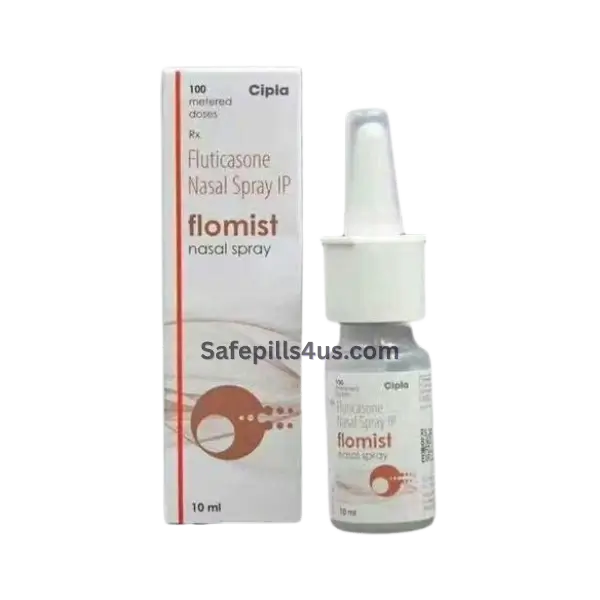
Buy Flomist Nasal Spray
Flomist Nasal Spray is a fast, reliable way to control allergy nose symptoms like sneezing, itchy nose, runny nose, and blockage. It’s commonly used for seasonal and perennial allergic rhinitis. In plain words: it calms the lining of your nose so you can breathe better and stop reaching for tissues all day. In many regions it’s a prescription medicine. Use exactly as your doctor or pharmacist tells you.
What Is Flomist?
Active ingredient
- Fluticasone propionate 50 mcg per spray (intranasal corticosteroid)
How it works (simple version)
Fluticasone lowers swelling and irritation inside your nasal passages. That means fewer sneezes, less drip, and less stuffiness. It also helps with allergy‑related eye symptoms for some people (watery, itchy eyes), which is a nice bonus.
Who Should Use It
- Adults and adolescents with allergic rhinitis (hay fever) or year‑round allergies
- People with blocked or runny nose due to nasal inflammation
- Those who want steady, all‑day control rather than quick, short relief
Note: It’s not a decongestant and not a “quick blast” spray. It builds control with daily use.
Key Benefits
- Targets sneezing, itching, runny nose, and congestion
- Once‑daily convenience for most users
- Non‑drowsy; you can go about your day
- Helps prevent flare‑ups during pollen seasons when used consistently
- Small, travel‑friendly bottle with metered sprays for accurate dosing
How To Use Flomist Nasal Spray
Step‑by‑step technique
- Gently blow your nose.
- Shake the bottle well. Prime before first use (or if not used for a while) until a fine mist appears.
- Tilt your head slightly forward.
- Insert the tip into one nostril. Aim the nozzle slightly outward (toward the outer wall of the nostril), not at the center septum.
- Breathe in gently through your nose and press the pump once.
- Repeat in the other nostril as directed.
- Wipe the tip and replace the cap.
- Rinse your mouth or gargle if advised by your clinician.
Dosage guide (typical)
- Adults and adolescents (12+): Start with 2 sprays in each nostril once daily (total 200 mcg/day). When symptoms are controlled, step down to 1 spray in each nostril once daily (100 mcg/day).
- Children 4–11 years: Usually 1 spray in each nostril once daily (100 mcg/day). Use only under adult supervision.
- Don’t exceed the dose your clinician recommends.
Missed dose
Take it when you remember the same day. If it’s almost time for the next dose, skip the missed one. Don’t double up.
What To Expect
- Some relief may appear within 12–24 hours, but full effect builds over several days of regular use.
- Best results come with daily use, even when you feel okay. Allergies like to creep back if you stop too soon.
Side Effects
Common (usually mild)
- Nosebleeds, nasal dryness or irritation
- Headache
- Throat irritation, cough
- Unpleasant taste or smell
Most are short‑lived. Using the correct angle (away from the septum) and a simple saline rinse can help.
Less common but important
- Persistent nosebleeds, crusting, or sores
- Vision changes, eye pain (very rare; long‑term steroids may raise risk of glaucoma/cataracts)
- Slowed growth in children with prolonged high‑dose use (monitoring is advised)
Stop and speak to your clinician if you notice severe nose pain, repeated bleeding, signs of infection, or if symptoms don’t improve after a couple of weeks.
Warnings & Precautions
Before you start
- Tell your doctor about recent nose surgery, injury, or ulcers. You may need to wait until healing.
- Share your full medication list. Strong CYP3A4 inhibitors (like ritonavir, ketoconazole, itraconazole) can raise steroid levels.
- If you have glaucoma, cataracts, active infections (including TB), or liver disease, check with your clinician first.
- Pregnancy/breastfeeding: use only if your clinician says the benefits outweigh risks; aim for the lowest effective dose.
- Don’t share your spray with anyone.
Storage & Care
How to store
- Keep at room temperature, away from heat and direct sunlight. Don’t freeze.
- Always keep the cap on to prevent dust and blockage.
- Clean the nozzle weekly: remove the cap and nozzle, rinse with warm water, air‑dry completely, then reassemble. Don’t poke with pins.
What’s inside each spray
- Fluticasone propionate 50 mcg in an aqueous suspension (plus standard stabilizers/preservative). Bottle sizes and total sprays per pack may vary by manufacturer batch.
Frequently Asked Questions
- Is Flomist a decongestant?
No. It’s a corticosteroid nasal spray. It reduces inflammation, which in turn relieves congestion and other allergy symptoms.
- How fast will it work?
Some people feel better within a day, but give it several days for the full benefit.
- Can I use it with an antihistamine?
Yes, many people combine it with an oral antihistamine or antihistamine eye drops. Your clinician can tailor the combo.
- Is it safe for long‑term use?
When used at recommended doses, intranasal steroids are generally safe long‑term. Your doctor may review dosing regularly and check eye/child growth risks if needed.
- What if my nose bleeds?
Pause for a day, use saline to moisturize, and make sure you’re aiming away from the septum. If bleeding continues, contact your clinician.
- Can kids use Flomist?
Often yes (from 4 years and up), but only under medical guidance with the correct dose.



Reviews
There are no reviews yet.